Rungs Labs

Rungs Pilgrimage · Running · Russia

The 10 Best Places to Run in Russia

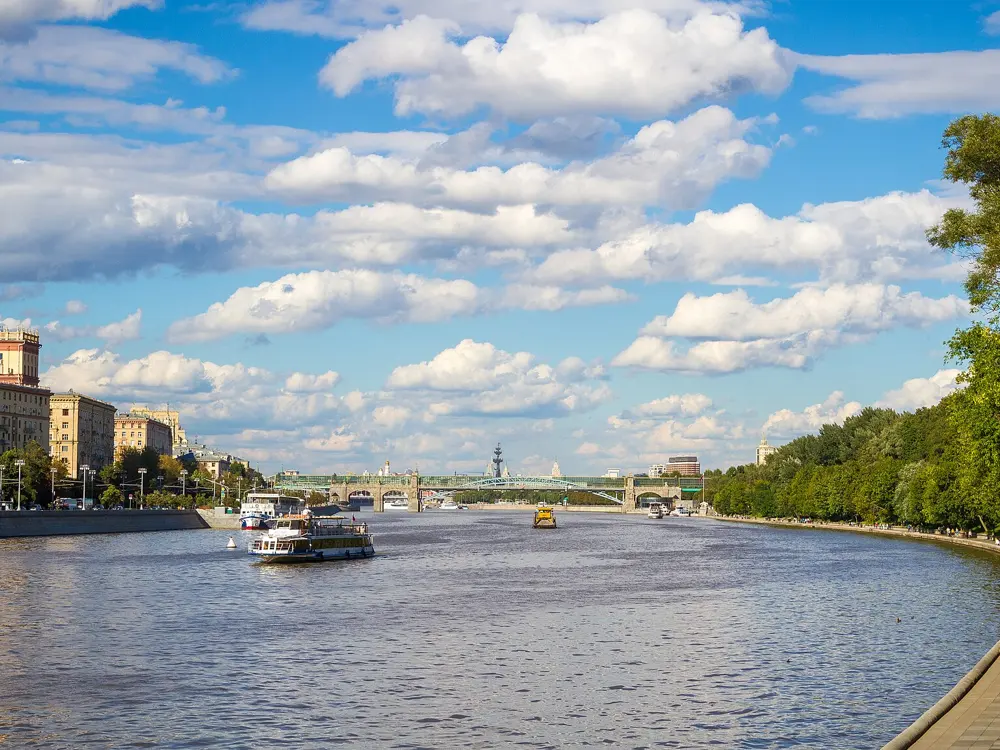
Moscow: the river embankments, Sparrow Hills and the Moscow Marathon, Moscow. Photo: Valeri Pizhanski from Odintsovo, Russia (CC BY-SA 2.0)

Russia's running is spread across eleven time zones. These ten run from the river embankments of Moscow and the white nights of St Petersburg to the Kremlin at Kazan and the trails around Suzdal, then south to the Caucasus at Sochi and Elbrus, east over the Urals to Yekaterinburg and Konzhakovsky Kamen, into Siberia at the Krasnoyarsk Stolby and out to the Pacific at Vladivostok. The big races fill fast, and the Moscow Marathon and Kazan Marathon each take more than 30,000 runners.

Getting there is harder than it was. The UK advises against all travel to Russia and warns that drone attacks can close airports at short notice. The 30 day e-visa is open to citizens of 64 countries, a list that leaves out the UK, the US, Canada and Australia, and almost every Russian race asks for a medical certificate before it hands over your number. For each place you get the classic runs, the best season, how to get there, entry and race rules, how hard it is and where runners stay. Every fact comes from race organisers, parks, tourism bodies, news reports and the other pages linked at the bottom.

Updated 2026-10-18

  1. 01Moscow: the river embankments, Sparrow Hills and the Moscow MarathonMoscow
  2. 02St Petersburg: the Neva embankments, Yelagin Island and the White Nights MarathonSt Petersburg
  3. 03Kazan: the Kremlin embankment and the Kazan MarathonKazan, Tatarstan
  4. 04Suzdal and the Golden Ring Ultra-TrailSuzdal, Vladimir Region
  5. 05Sochi: Krasnaya Polyana and Rosa Wild FestKrasnaya Polyana, Sochi, Krasnodar Region
  6. 06Elbrus: Azau, the Elbrus Wild Trail and the Red Fox Elbrus RacePrielbrusye, Kabardino-Balkaria
  7. 07Yekaterinburg and the Europe-Asia MarathonYekaterinburg, Sverdlovsk Region
  8. 08Konzhakovsky Kamen and the Konzhak Mountain MarathonNorthern Urals, near Kytlym, Sverdlovsk Region
  9. 09Krasnoyarsk StolbyKrasnoyarsk, Krasnoyarsk Region
  10. 10Vladivostok: Russky Island and the Bridges of Vladivostok MarathonVladivostok, Primorsky Region
01 / 10

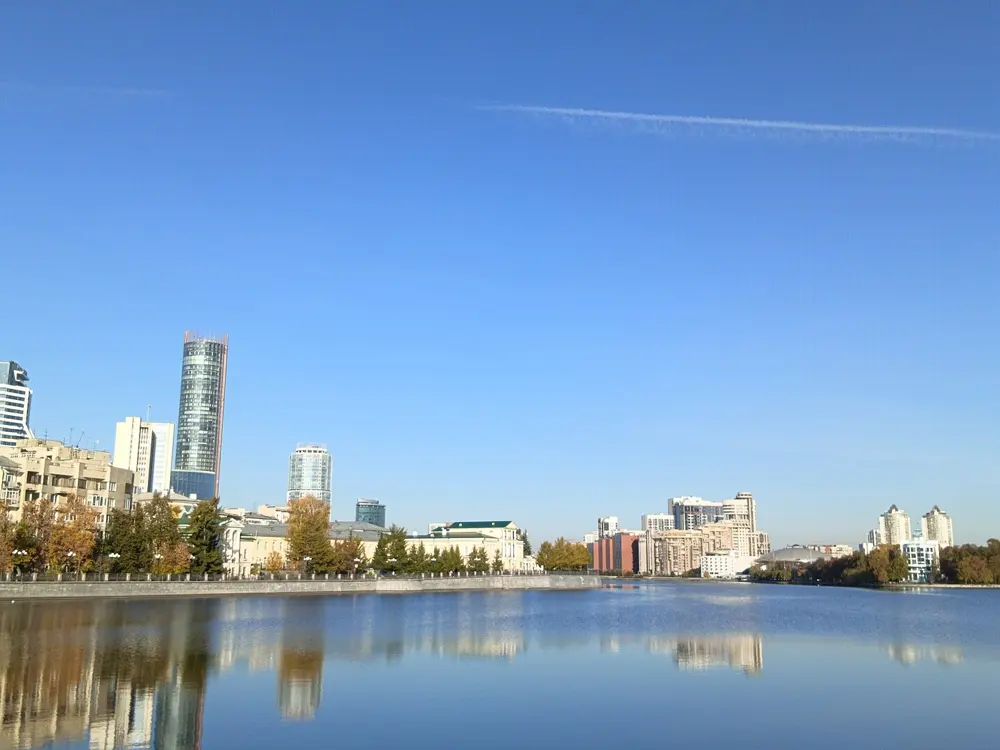
Moscow: the river embankments, Sparrow Hills and the Moscow Marathon

Moscow
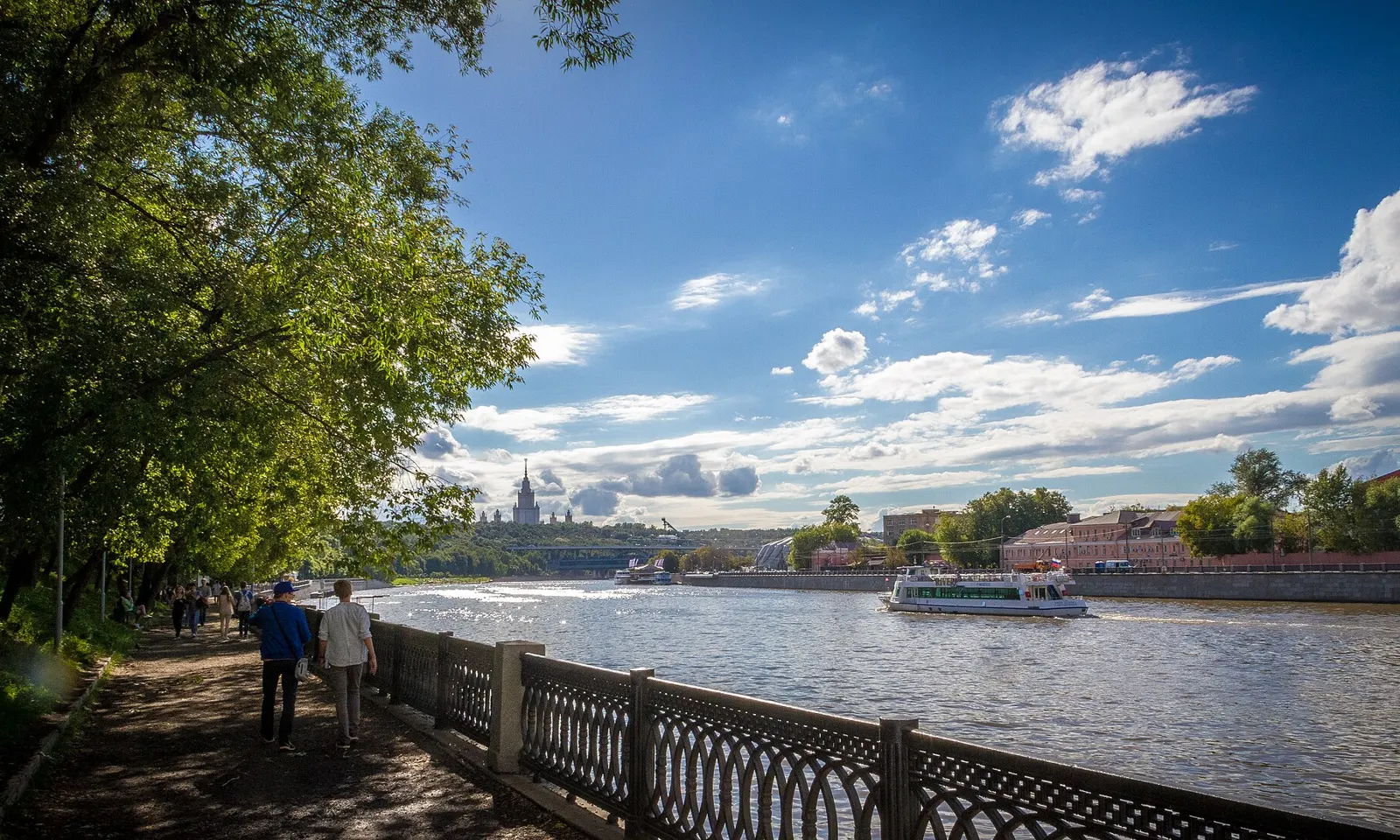
A riverside path with an iron railing on the Moscow River at Vorobyovy Gory, with the university tower in the distance

Photos: Valeri Pizhanski from Odintsovo, Russia (CC BY-SA 2.0), Valeri Pizhanski from Odintsovo, Russia (CC BY-SA 2.0), Юрий Д.К. (CC BY 4.0), Valeri Pizhanski from Odintsovo, Russia (CC BY-SA 2.0)

Distance
Embankment runs of 3.5 km and more; marathon 42.195 km
Free 5 km
5 verst, Saturdays at 9:00, Vorobyovskaya Embankment
Big race
Moscow Marathon, 27 September 2026
Time limit
6 hours for the marathon

Why go

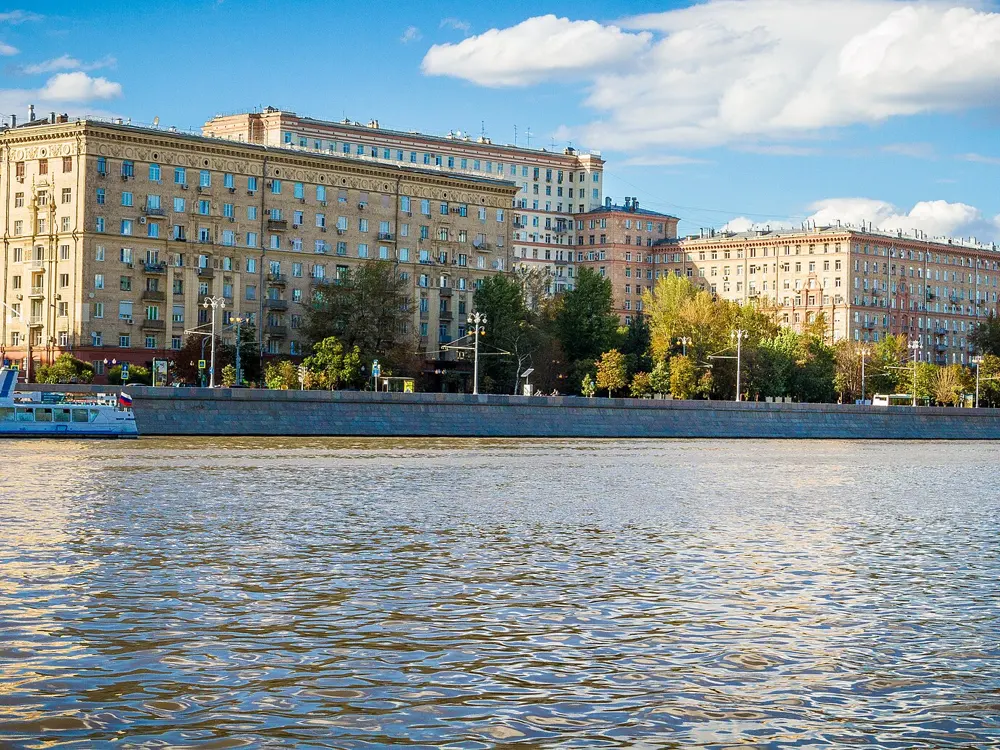
Moscow's best running follows the Moscow River where it bends under Sparrow Hills (Vorobyovy Gory). On one bank are the rubber running lanes of the Luzhniki embankment, with views across to the hills and the main building of Moscow State University; on the other, a chain of parks runs from Muzeon and Gorky Park through Neskuchny Garden to the Vorobyovskaya embankment. A Moscow news site calls this the most popular running route in the city. The same stretch carries the Moscow Marathon, which in 2026 held its 13th edition and expected tens of thousands of runners. Every Saturday a free, timed 5 km run starts on the embankment too.

The route

The classic run starts at the Luzhniki embankment, whose 3.5 km of rubber-surfaced running track faces Sparrow Hills; wooden steps lead down to the water for a breather. From there, cross the river and follow the asphalt embankment past Gorky Park, Muzeon and Neskuchny Garden, whose paths are hillier and uneven, out to the Vorobyovskaya embankment. Near the end, the steep slope up Sparrow Hills adds real climbing, and trail and orienteering routes start from the Ekologiya pavilion on the hill. The marathon is a point to point course: it starts on Kosygina Street by University Square at the top of Sparrow Hills, passes the Foreign Ministry tower, the Cathedral of Christ the Saviour, Tverskaya Street, the Kremlin and St Basil's, crosses the Crimean Bridge and finishes inside the Luzhniki Olympic Complex. Both the marathon and the 10 km are AIMS certified.

When to go

Late spring to early autumn is the season for road and park running. The 2026 Moscow Half Marathon was on 25 and 26 April, and the Moscow Marathon weekend was on 26 and 27 September, with the 10 km on the Saturday and the marathon on the Sunday, starting at 9:04 for the mass field.

Getting there

Moscow has three main airports and the metro reaches all of the riverside parks. The UK advises against all travel to Russia, and drone attacks have caused short-notice airport closures. Russia's 30 day e-visa is open only to citizens of 64 countries, a list that includes China, India, Japan, Germany and France but not the UK, the US, Canada or Australia.

Permits and booking

The parks and embankments are free and open to anyone. The free 5 verst run at Gorky Park starts every Saturday at 9:00 from 4th Vorobyovsky Proezd 37; register once on the 5 verst site and bring your QR code, though a parkrun barcode also works. For the 2026 marathon, late entries cost 8,500 roubles for foreigners and 7,500 for Russian citizens; you must be 18, bring a medical certificate to collect your bib, and bibs cannot be transferred. Fees are not refunded.

How hard it is

Easy on the flat embankments; moderate if you add the climb up Sparrow Hills or the uneven paths of Neskuchny Garden. The marathon has a 6 hour limit and the 10 km a limit of 1 hour 30 minutes.

Where to sleep

Hotels near Frunzenskaya and Park Kultury put you on the river between Gorky Park and Luzhniki. For the marathon, somewhere near University metro is closest to the start.

Tips

  • Run the Luzhniki side early on weekends, before the embankments fill with walkers and cyclists.
  • Bring your medical certificate to Russia if you plan to race: every big start asks for one at bib pickup.
02 / 10

St Petersburg: the Neva embankments, Yelagin Island and the White Nights Marathon

St Petersburg

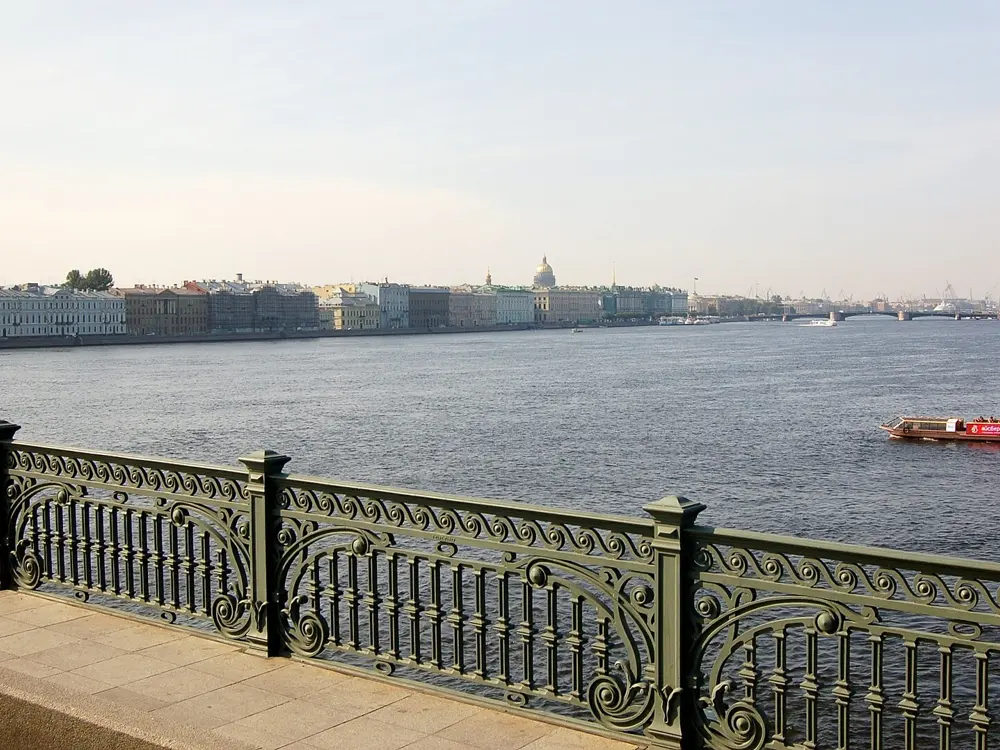
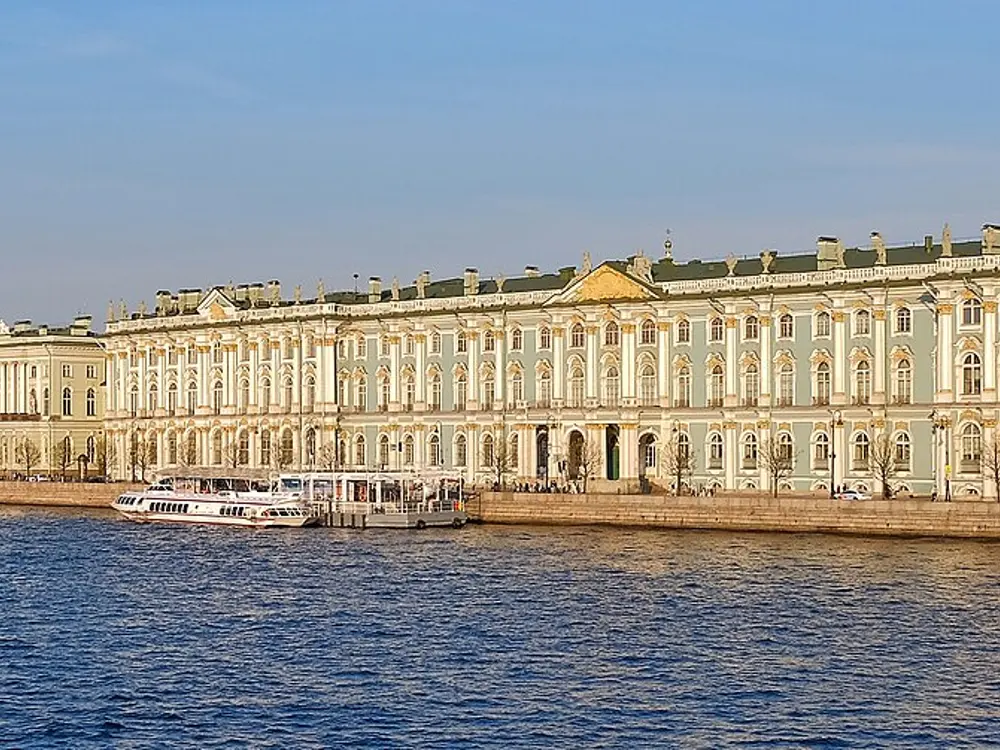
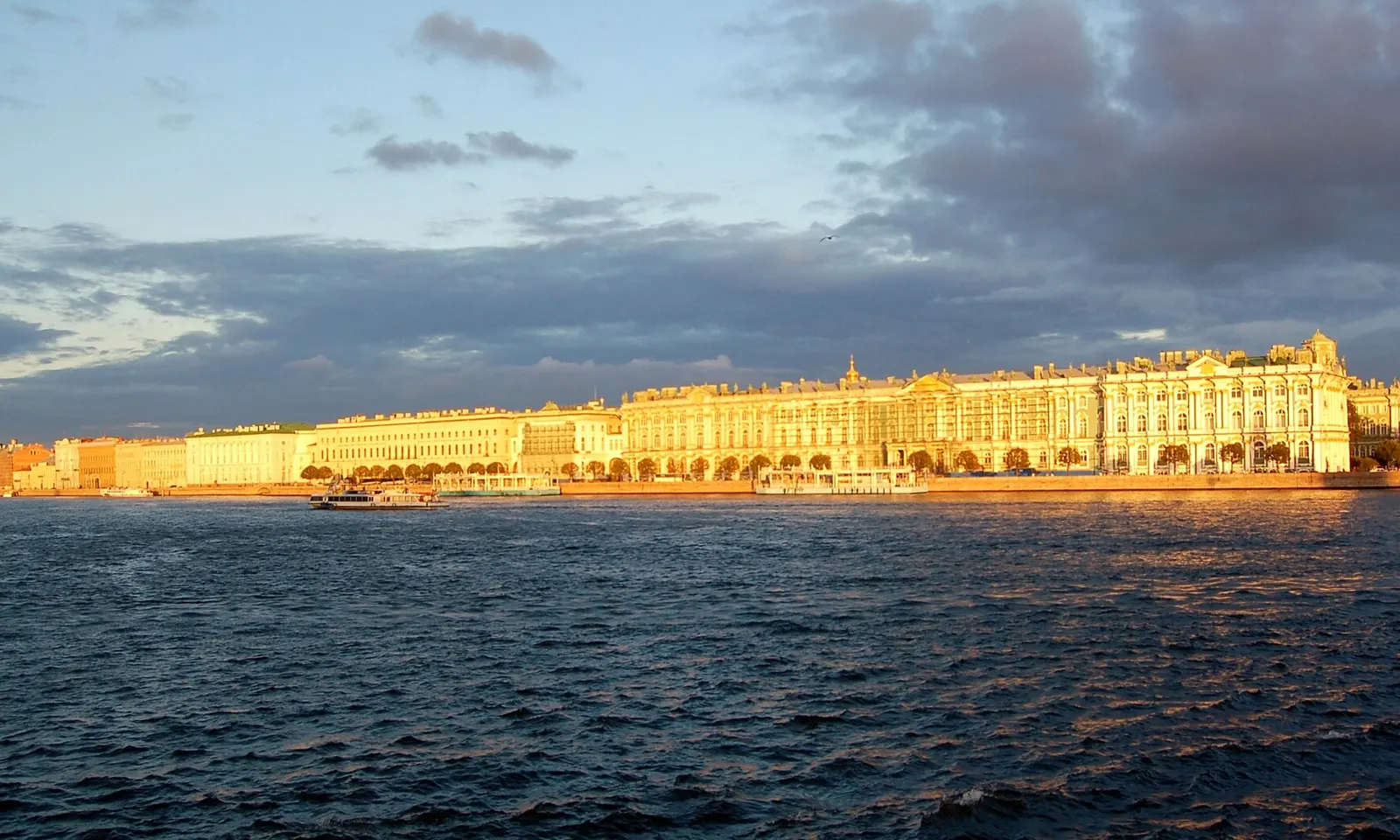
The long pastel facades of the Palace Embankment lit gold by low sun across the Neva in St Petersburg

Photos: Bahnfrend (CC BY-SA 4.0), Bahnfrend (CC BY-SA 4.0), Vyacheslav Bukharov (CC BY-SA 4.0), Vyacheslav Bukharov (CC BY-SA 4.0)

Distance
Marathon 42.2 km, Krestovsky Island to Palace Square
Start time
10 pm, in the white nights of early July
Field
More than 25,000 runners in 2025
Free 5 km
5 verst, Saturdays, Yelagin Island

Why go

St Petersburg is a city of islands and granite embankments, and its great race is run at night. The White Nights Marathon, held for the 35th time in 2026, starts at 10 pm near the Gazprom Arena on Krestovsky Island and finishes on Palace Square, so most of it is run along the Neva in the long northern twilight. More than 25,000 people took part in 2025, and the 10 km places sold out in under a day in 2024. On any other day, the islands at the city's northern edge, Krestovsky and Yelagin, give runners parks, water on every side and fewer cars.

The route

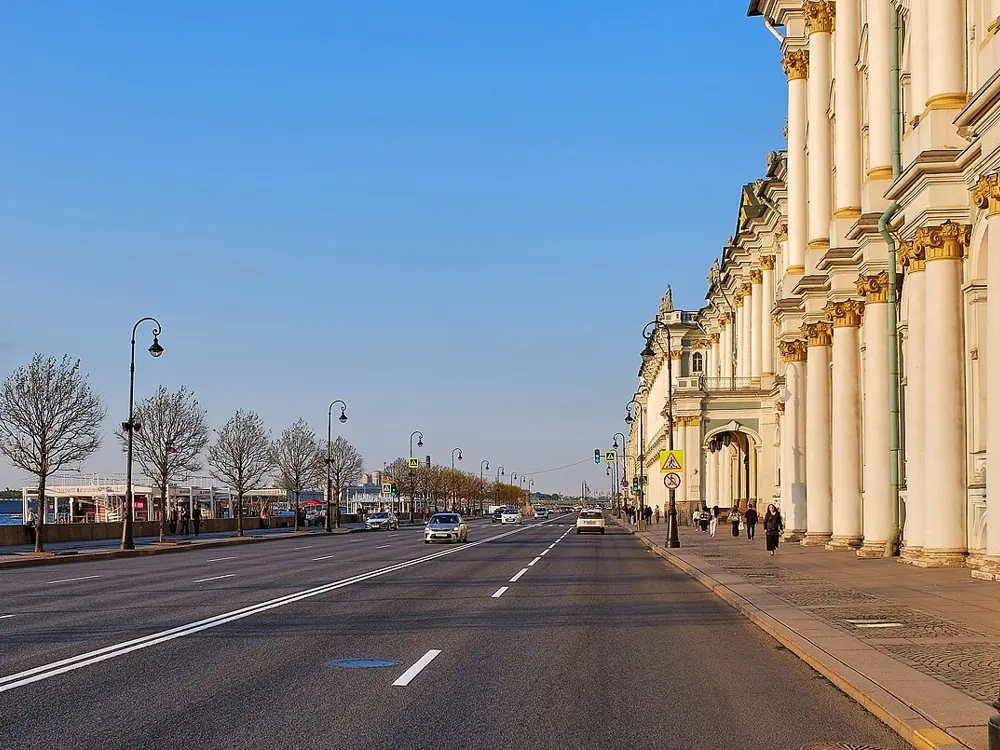
The marathon is point to point and starts on Krestovsky Island. It runs through Primorsky Victory Park, crosses the Lazarevsky Bridge onto the Petrograd side and follows the Kronverksky embankment past the Peter and Paul Fortress. It then crosses the Troitsky Bridge to the Palace Embankment, goes out to the Strelka of Vasilievsky Island and back, and finishes by the Winter Palace; organisers say the course may change. For everyday running, Yelagin Island, part of the Kirov Central Park, has a free timed 5 km on Saturdays, and Primorsky Victory Park, on the marathon course, gives you park loops. The Palace Embankment and the Strelka make a short city run with the river beside you the whole way.

When to go

Early July, for the white nights and the marathon: the 2026 race was on the night of 4 to 5 July, with the 10 km at 8 pm and the marathon at 10 pm. The 5 verst run on Yelagin starts at 9:00 from March to October and at 10:00 from November to February.

Getting there

Fly into Pulkovo or take the train from Moscow. The nearest metro stations to the marathon start are Zenit and Krestovsky Ostrov. The UK advises against all travel to Russia, and the 30 day e-visa is open only to citizens of 64 countries, which leaves out the UK, the US, Canada and Australia.

Permits and booking

The parks are free. The 2026 marathon opened registration on 5 March through the organiser Running Community, at 4,500 roubles for the marathon and 3,500 for the 10 km for Russian entrants, with prices rising over time, and registration closed on 1 June. You need a doctor's certificate of fitness to compete to collect your race pack. 5 verst asks you to register once and bring your QR code.

How hard it is

Easy. The course and the embankments are flat; the challenge of the marathon is running through the night, and organisers plan for about 6 hours for the marathon and 1.5 hours for the 10 km.

Where to sleep

Stay on the Petrograd side or near the Chkalovskaya and Krestovsky Ostrov metro stations for the islands. Changing rooms and bag storage for the marathon are on Palace Square, so a hotel near the centre makes the finish easy and you make your own way to the start.

Tips

  • Sign up the day registration opens: the shorter distance has sold out within a day.
  • Expect road closures around Krestovsky Island in the days before the race.
03 / 10

Kazan: the Kremlin embankment and the Kazan Marathon

Kazan, Tatarstan

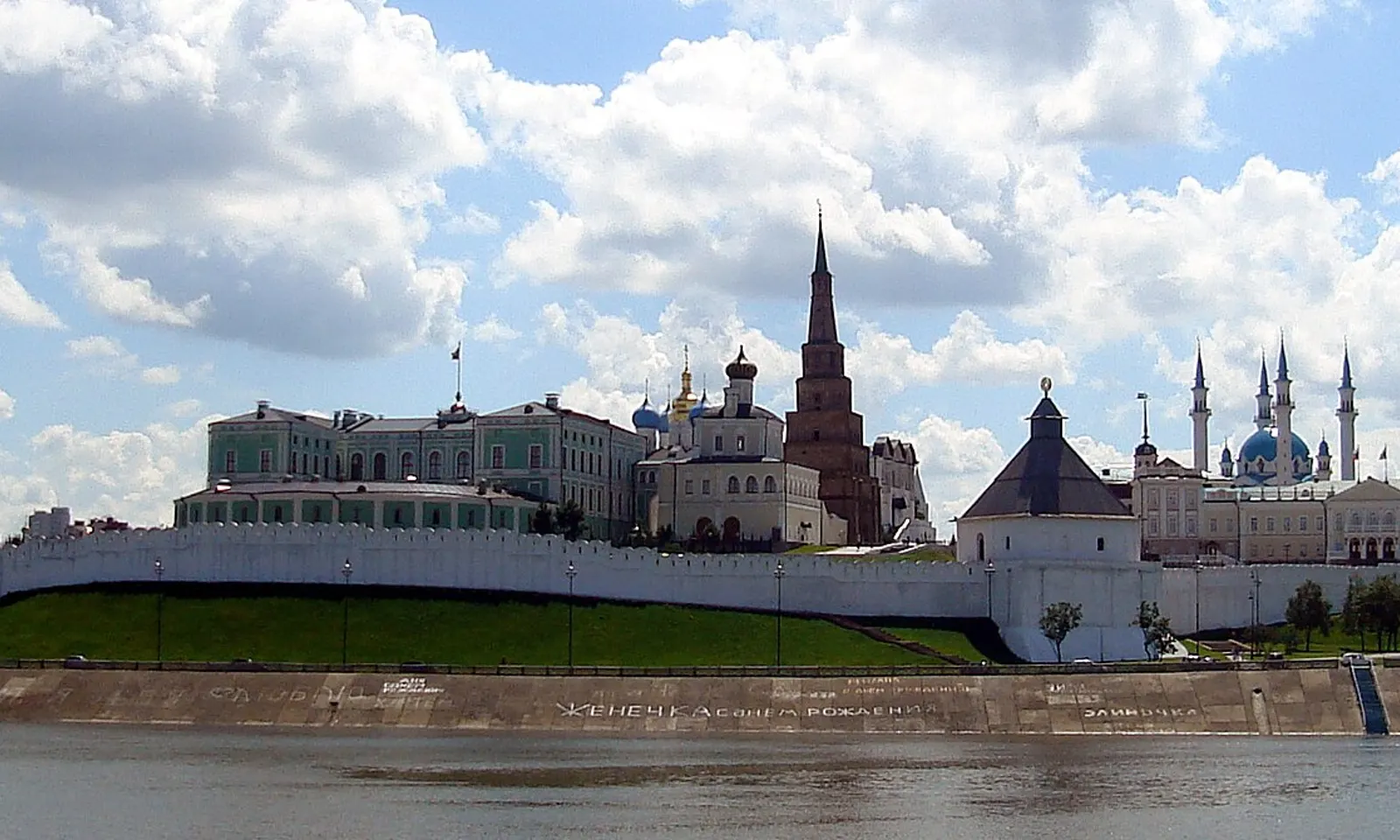
The white walls, towers and onion domes of the Kazan Kremlin above the river under summer clouds

Photos: User:Untifler derivative work: Ghirlandajo (talk) (CC BY-SA 3.0), Untifler (CC BY-SA 3.0), Rafael Mukhametdinov (CC BY-SA 4.0), Vyacheslav Kirillin (CC BY-SA 4.0)

Distance
Marathon 42.2 km; embankment about 1.5 km
Field
34,409 runners in 2025, a record
Race weekend
1 to 3 May 2026
Next race
2027, dates not yet published

Why go

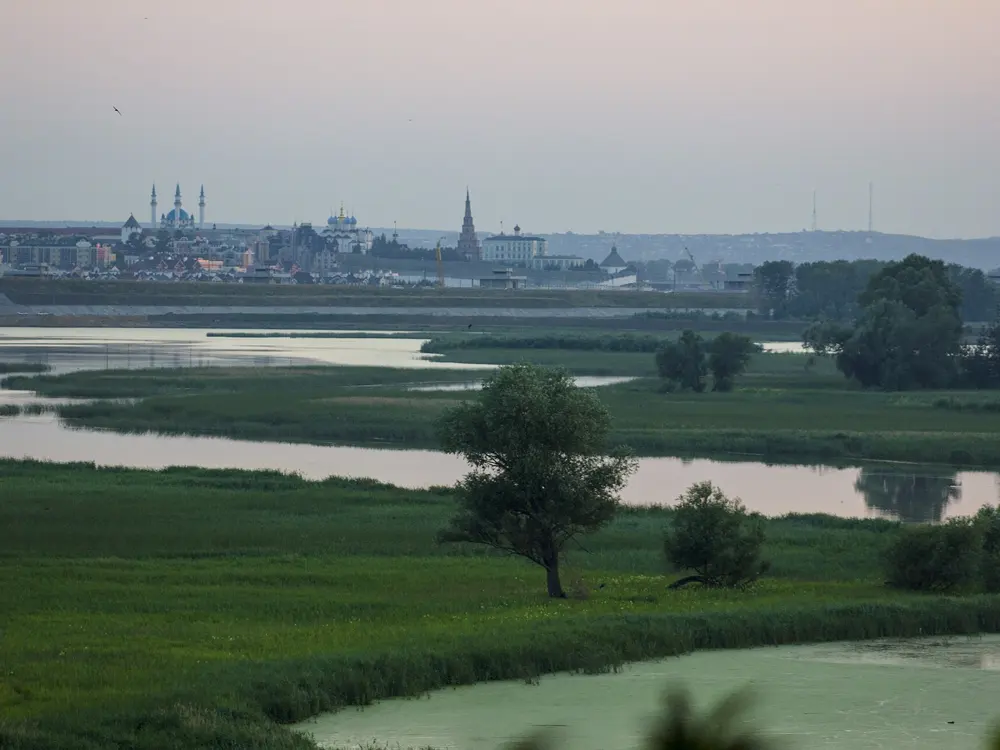
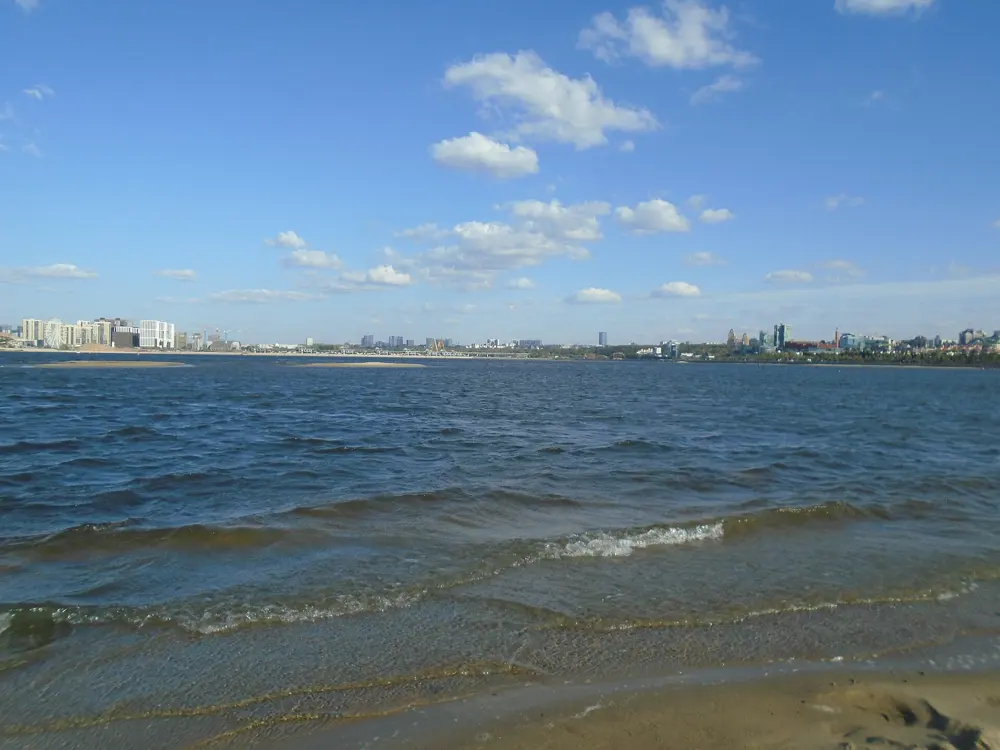
Kazan, the capital of Tatarstan on the Volga, has become one of Russia's biggest running cities. The Kazan Marathon, first run in 2015 after a 25 year break in big races in the city, drew 34,409 runners in 2025, a record, and more than 35,000 had registered for 2026 from 33 countries, the largest groups from abroad coming from Belarus and Kazakhstan. In 2026 it also hosted the Russian marathon championship for the fifth time. The course passes the white walls of the Kazan Kremlin, the Kul Sharif mosque and the leaning Syuyumbike tower, and the city's favourite place to run is the embankment right below them.

The route

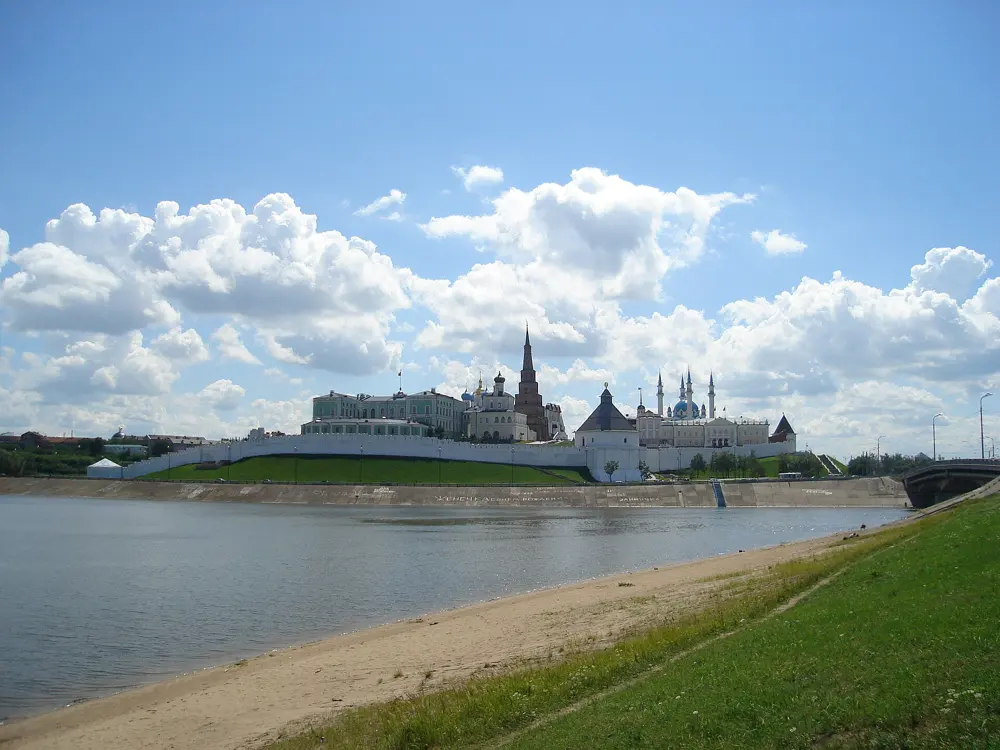
The Kremlin embankment runs along the left bank of the Kazanka river from the Voskresenskaya tower of the Kremlin towards the Millennium Bridge. A guide gives its length as almost 1.5 km, and the developed stretch was widened in stages from 2010. It is split into three strips by rows of trees: a riverside promenade, a strip of cafes and souvenir shops, and a dedicated bike lane, with football and basketball courts and workout areas along the way. Run it out and back, or carry on towards the Kazan family centre and the Kazanka bridges. The race weekend has distances from 3 km to the marathon; organisers list the Kremlin, Kul Sharif, Syuyumbike and the Kazan family centre among the sights on the course.

When to go

The marathon is in early May: in 2026, children's races on 1 May, the 3 and 10 km on 2 May and the half and full marathon on 3 May. The Kazan National Half Marathon was on 10 and 11 October 2026. The embankment is busy all year; in winter a skating track of about 1 km opens on it.

Getting there

Fly into Kazan or take the train from Moscow. The nearest metro station to the embankment is Kremlyovskaya, a 10 to 15 minute walk around the fortress. The UK advises against all travel to Russia, and the 30 day e-visa covers only 64 countries, not including the UK or the US.

Permits and booking

The embankment is free. For the 2026 race, entry needed advance registration through timerman.org, closing on 20 April or when places ran out; the marathon cost 3,080 roubles at the discounted price (4,400 full), and the 3 km to marathon distances were open only from age 18. A certificate of fitness to compete is required. Registration for 2027 opens later.

How hard it is

Easy on the embankment, which is flat. The marathon is a big city road race with a large field, suited to first-timers.

Where to sleep

Hotels around Bauman Street and the Kremlin are a few minutes' walk from the embankment and the race sights.

Tips

  • Go early in the morning: the embankment fills with walkers in summer and winter alike.
  • Watch the kazan.run site for the 2027 dates; the 2026 race filled with more than 35,000 entries.
04 / 10

Suzdal and the Golden Ring Ultra-Trail

Suzdal, Vladimir Region

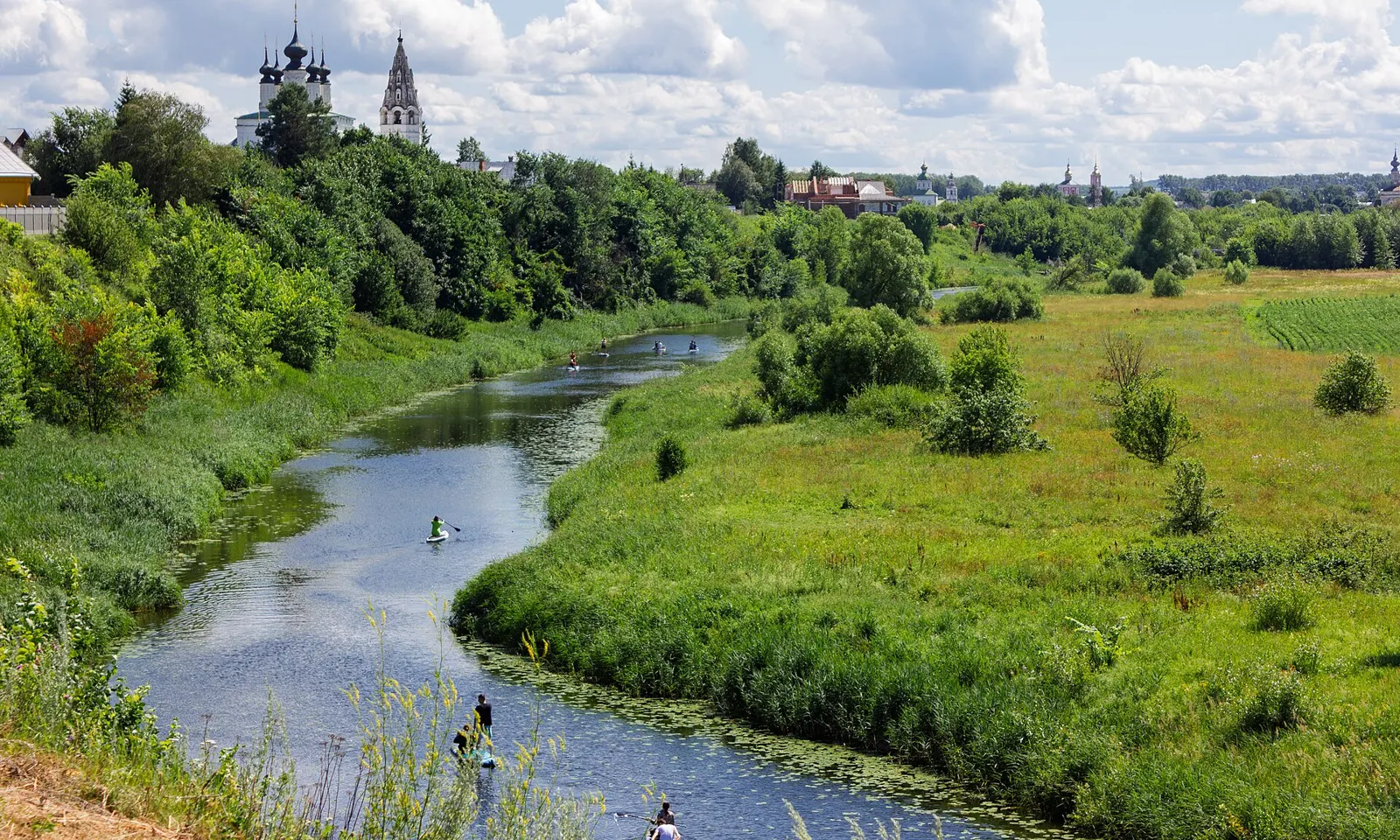
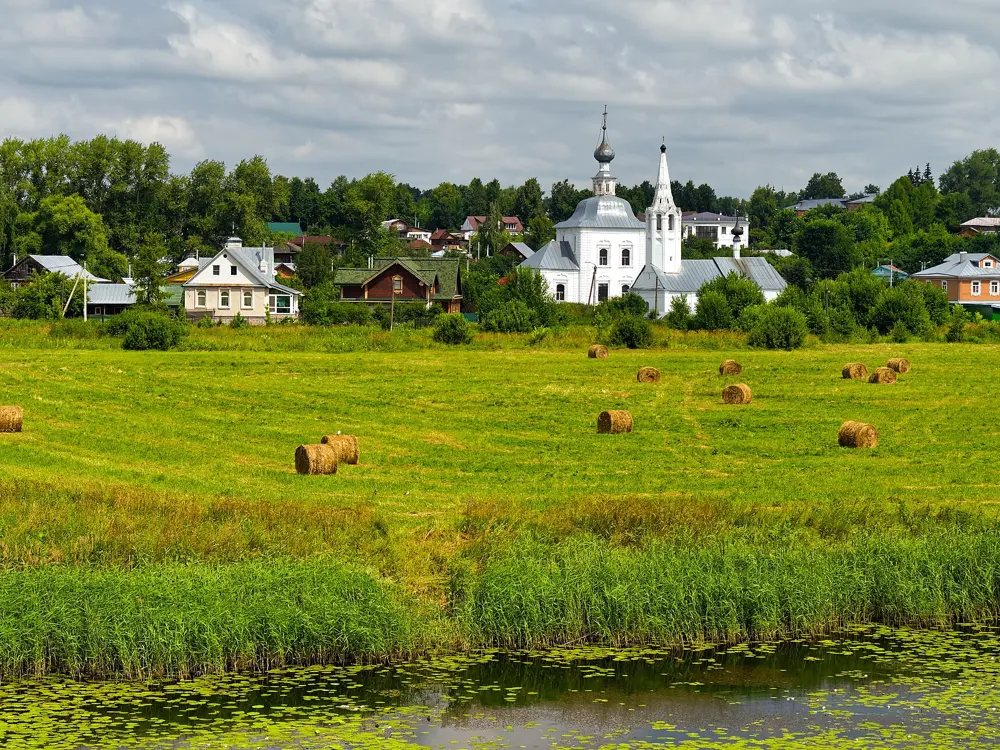
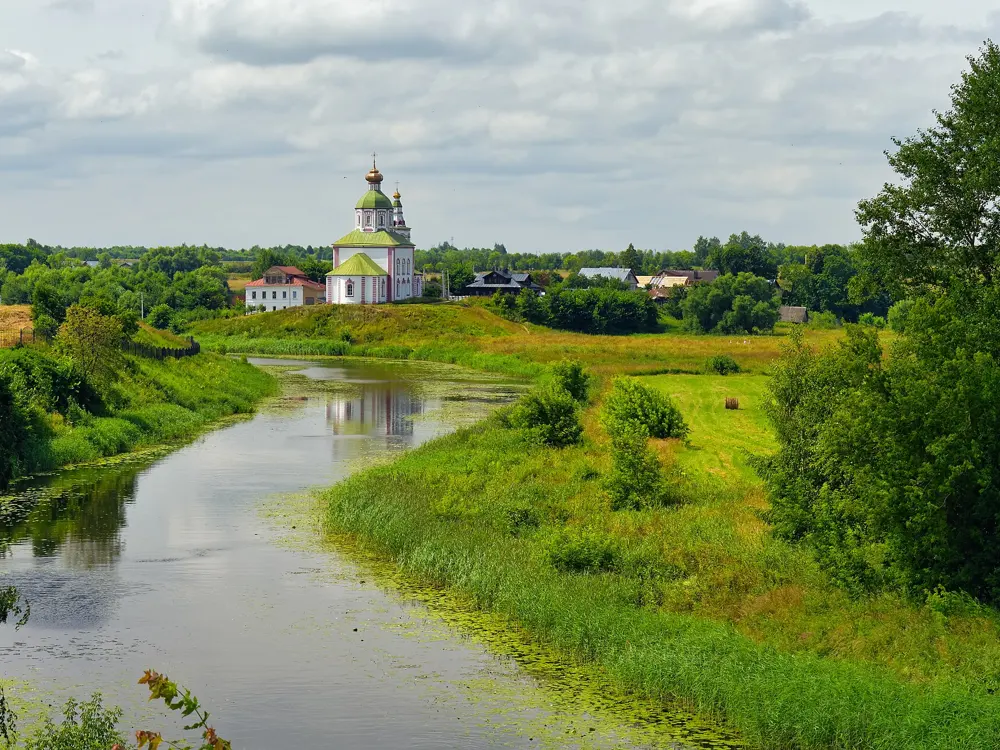
The Kamenka river winding through green meadows towards the churches of Suzdal on a summer day

Photos: Perituss (CC0), Alexxx1979 (CC BY-SA 4.0), Alexxx1979 (CC BY-SA 4.0), Alexxx1979 (CC BY-SA 4.0)

Distance
5 to 100 km, plus a night 10 km
Field
About 9,000 runners in 2026
Race
Golden Ring Ultra-Trail, late July
From Moscow
About 220 km

Why go

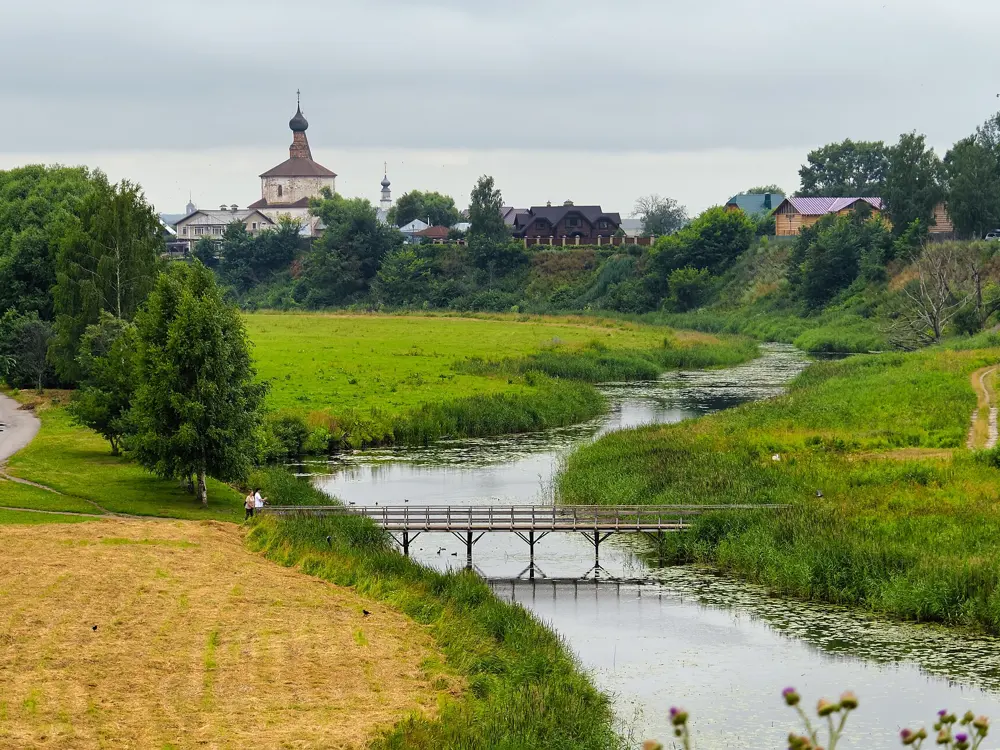
Suzdal is one of the oldest towns in Russia, a museum town of white churches on the little Kamenka river, and every July it hosts what its organisers call Russia's largest trail running festival. The Golden Ring Ultra-Trail, known as GRUT, brought about 9,000 runners in 2026, more than 1,200 of them children, and its routes pass more than 300 monuments of medieval Rus. The trails are not mountainous: they cross fields, forests, ravines and wetland around the town, which makes GRUT a race of distance and mud rather than climbing.

The route

The 2026 festival had races of 5, 10, 20, 30, 50, 80 and 100 km, a night 10 km and the Suvorov Extreme, a 30 km race with water obstacles. The 100 km starts at 5 am. Its course runs through fields, forests and ravines, through bogs and long stretches of mud. In 2026 heavy rain made it so muddy that runners said they had never seen the course in such a state in the race's 12 years. Between races, the Kamenka river is the place to run: paths follow it through the meadows below the town's churches, and you can link them into an easy loop through the old town.

When to go

The 2026 festival was on 24 to 26 July, and the 100 km was won in 9:10:24 by Vasily Korytkin and 10:15:34 by Elena Noskova. July can be hot or wet; the 2026 edition was both.

Getting there

Suzdal is about 220 km from Moscow. Take a train from Moscow's Kursky or Vostochny station to Vladimir, 2 to 3.5 hours depending on the train, then bus 159, which runs about every 30 minutes and takes about an hour. Direct buses from Moscow's Central Bus Station take about 4 hours. The UK advises against all travel to Russia, and the e-visa does not cover UK or US citizens.

Permits and booking

No permit is needed to run around Suzdal. Race entry is through the GRUT organisers; as at the other big races on this list, expect to show a medical certificate.

How hard it is

Easy to hard. The short races suit anyone; the 80 and 100 km are long days, and the 2026 rain turned the 100 km into a 16 hour slog for some finishers.

Where to sleep

Guesthouses and hotels fill the old town, but book months ahead for race weekend, when the town takes in thousands of runners and families. Vladimir, an hour away, has more rooms.

Tips

  • Pack shoes with real grip and a spare pair: mud, not hills, decides this race.
  • Run the Kamenka footpaths at dawn, before day visitors arrive from Moscow.
05 / 10

Sochi: Krasnaya Polyana and Rosa Wild Fest

Krasnaya Polyana, Sochi, Krasnodar Region

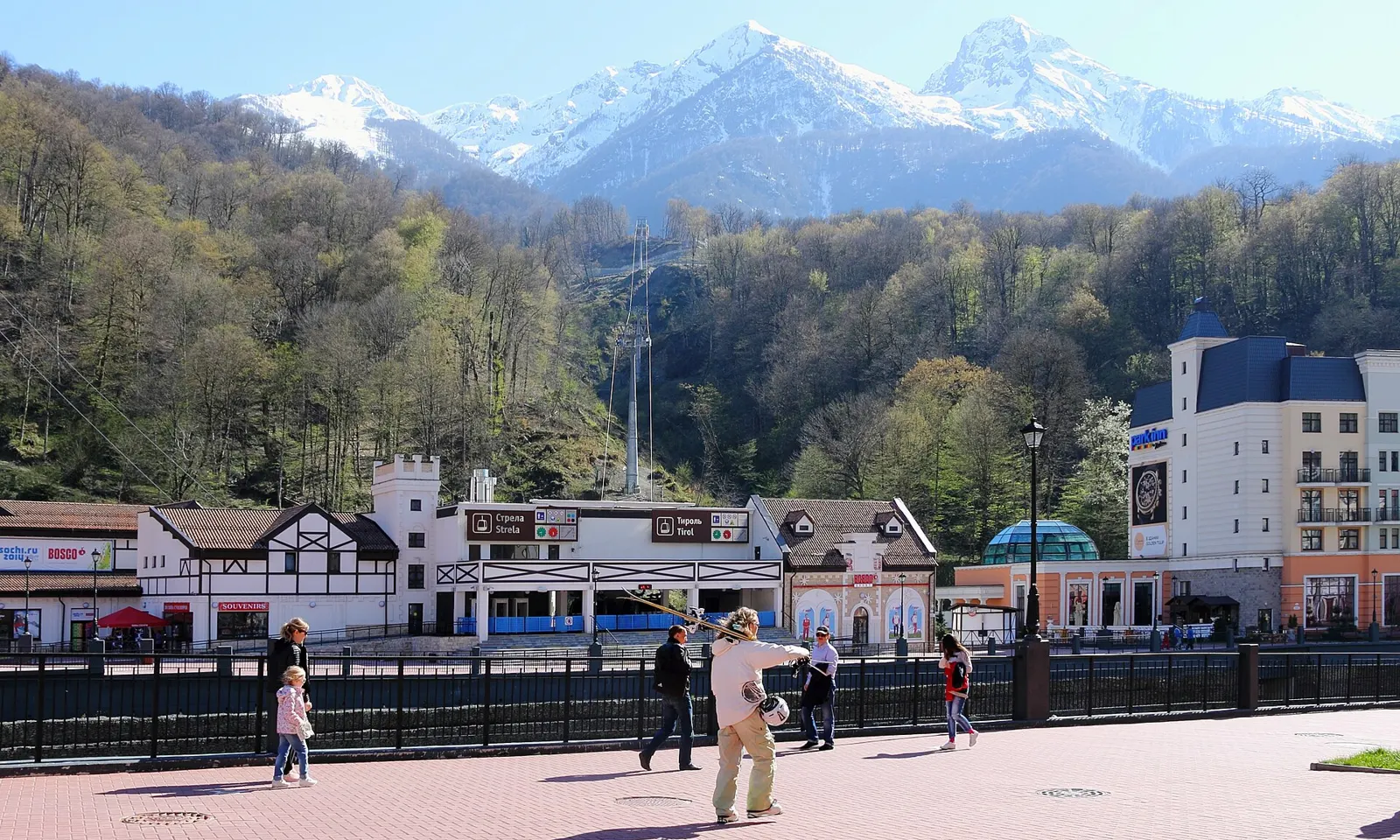
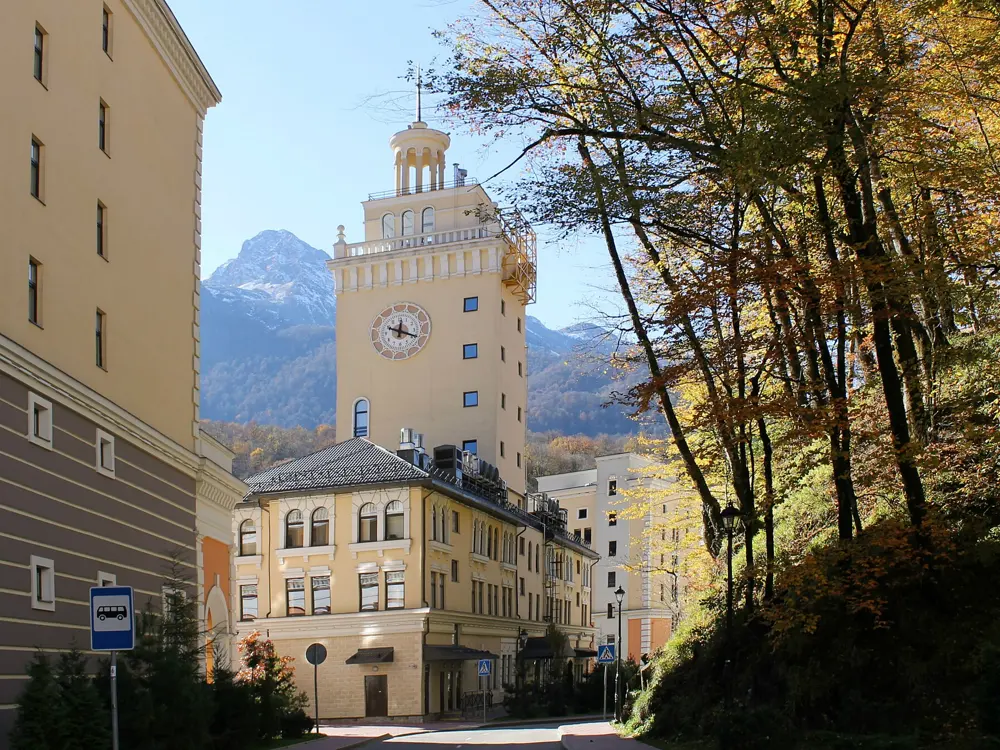
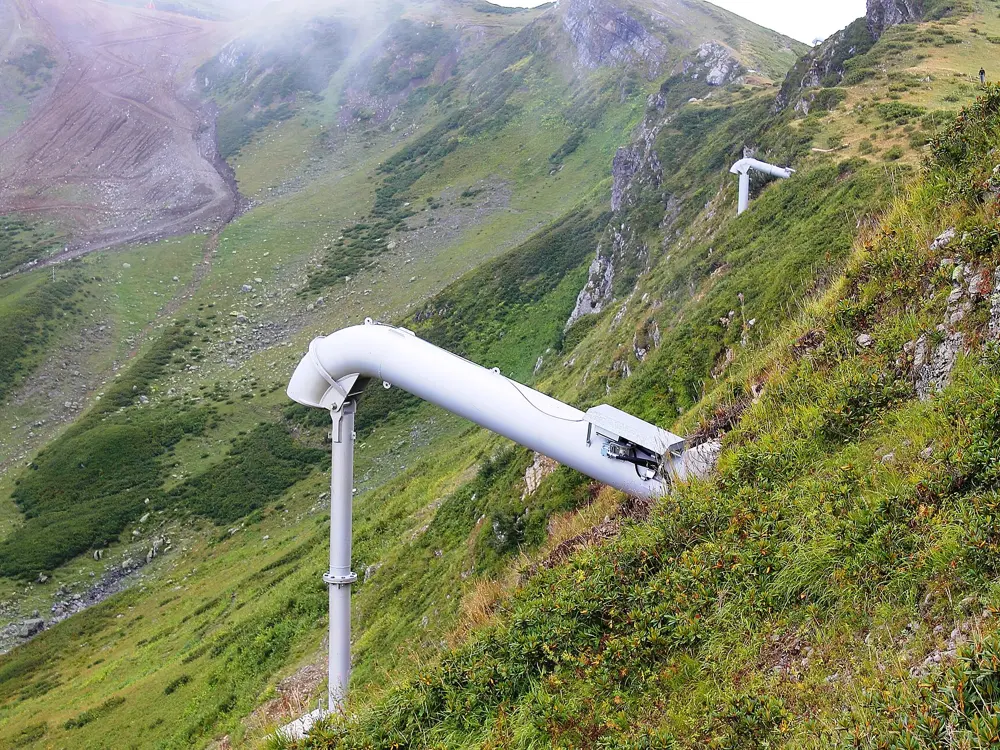
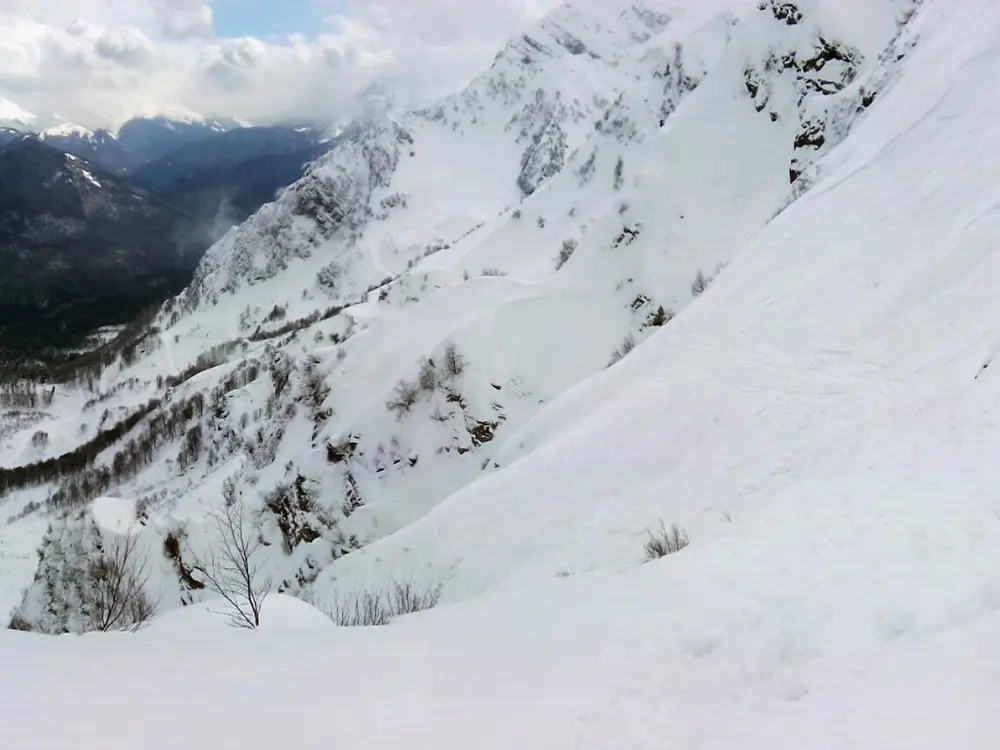
The square at Rosa Khutor in the Mzymta valley with forested slopes and snowy peaks behind

Photos: SKas (CC BY-SA 4.0), Sergei Kazantsev (CC BY-SA 4.0), Sergei Kazantsev (CC BY-SA 4.0), Igor Andreev (CC0)

Distance
11.7 to 180 km at Rosa Wild Fest
Base
Mountain Olympic Village, 1,170 m
Longest race
180 km, 14,000 m of climbing, 49 hours
Coast run
Imeretinskaya embankment, almost 6 km

Why go

The mountain resorts above Sochi now host some of Russia's biggest trail races. The resorts of Krasnaya Polyana sit in the Mzymta valley under the Aibga ridge and the Main Caucasus Range, with lifts that carry you high in minutes and a network of waymarked eco-trails. Each September Rosa Khutor hosts Rosa Wild Fest, whose longest race, the Mountain King, runs 180 km with 14,000 m of climbing. Down on the coast, the flat Imeretinskaya embankment gives you a seafront run beside the Olympic Park.

The route

Rosa Wild Fest's 2026 programme had 11 races, from Daphne 12 (11.7 km) and Mzymta 13 to a Vertical Kilometre, mid-length and ultra trails and the 180 km Mountain King, plus stage races; most start and finish in the resort's Mountain Olympic Village at 1,170 m. Outside race week, the Krasnaya Polyana resort's eco-trails make good hill sessions: Polyana 1460 climbs from 960 m to 1,460 m in 1.8 km along an avalanche barrier to a viewpoint over the Mzymta valley, and the longest, Blueberry, runs 19 km with 1,800 m of climbing. On the coast, the Imeretinskaya embankment in Sirius runs almost 6 km along the sea and is lit at night.

When to go

Summer and early autumn, when the high trails are clear of snow. Rosa Wild Fest was on 4 to 6 September 2026. The Krasnaya Polyana eco-trails were listed as closed for the season in October 2026, with no reopening date given.

Getting there

Fly into Sochi (Adler). Krasnaya Polyana is about 70 km and an hour by car from central Sochi, the last stretch on the A-149 mountain road. For the embankment, take the train to Olimpiysky Park or Imeretinsky Kurort. The UK warns that drone attacks have led to short-notice airport closures in Russia and advises against all travel; the e-visa does not cover UK or US citizens.

Permits and booking

The resort eco-trails need a walking pass, 300 roubles a day and valid across the whole resort, bought at npsochi.ru, the Sochi National Park site. Rosa Wild Fest entry in 2026 cost 6,000 roubles for the short trails, 8,000 to 9,500 for the middle distances and 12,000 to 15,000 for the ultras; you must show a medical certificate and insurance to collect your race pack.

How hard it is

Moderate to extreme. The eco-trails are graded from easy to extreme, and the long Rosa Wild Fest races are serious mountain ultras. The embankment is flat, but bikes and scooters use its whole width.

Where to sleep

Rosa Khutor and Gorki Gorod have hotels at every price next to the lifts and race village. On the coast, Sirius has apartment hotels along the Imeretinskaya embankment.

Tips

  • Use the lifts to reach the high trails early and run down, saving your legs for the climbs that matter.
  • On the embankment, keep right and watch for e-scooters, which have hit pedestrians there.
06 / 10

Elbrus: Azau, the Elbrus Wild Trail and the Red Fox Elbrus Race

Prielbrusye, Kabardino-Balkaria

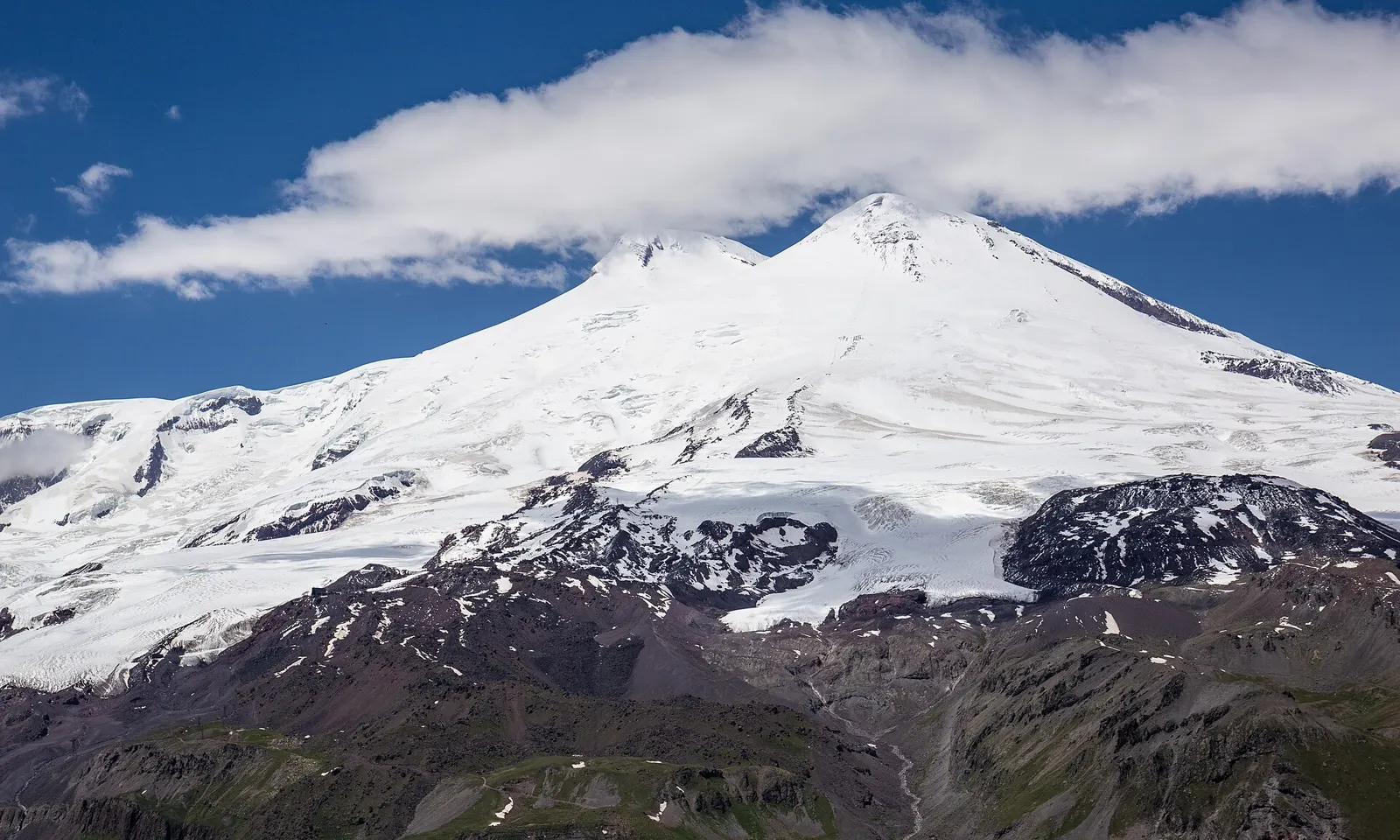
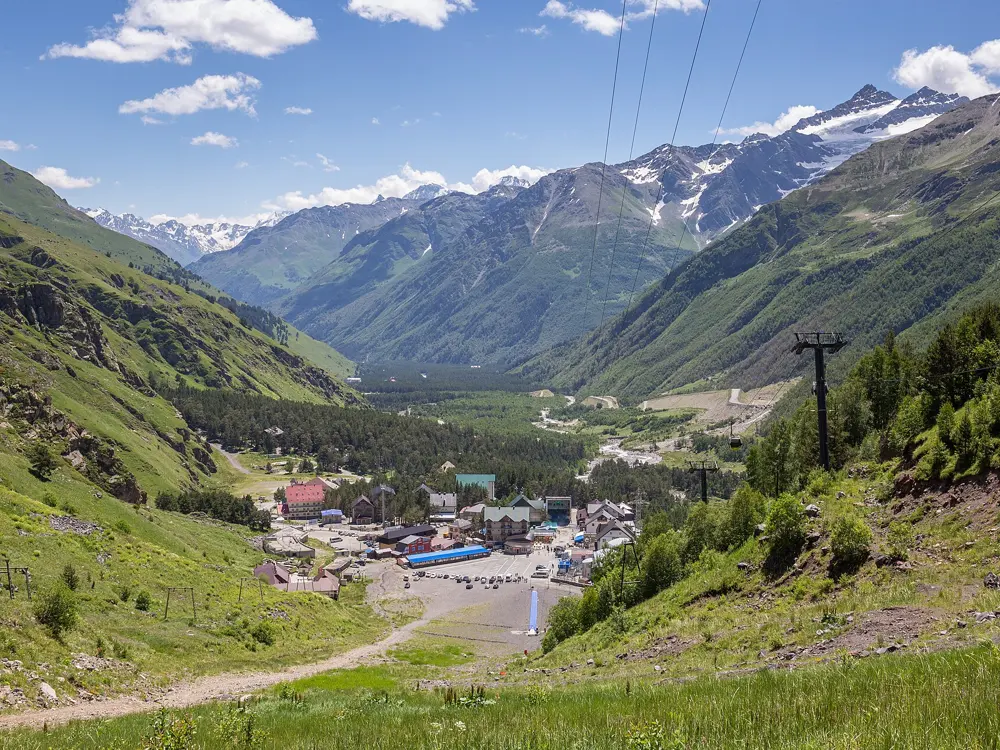
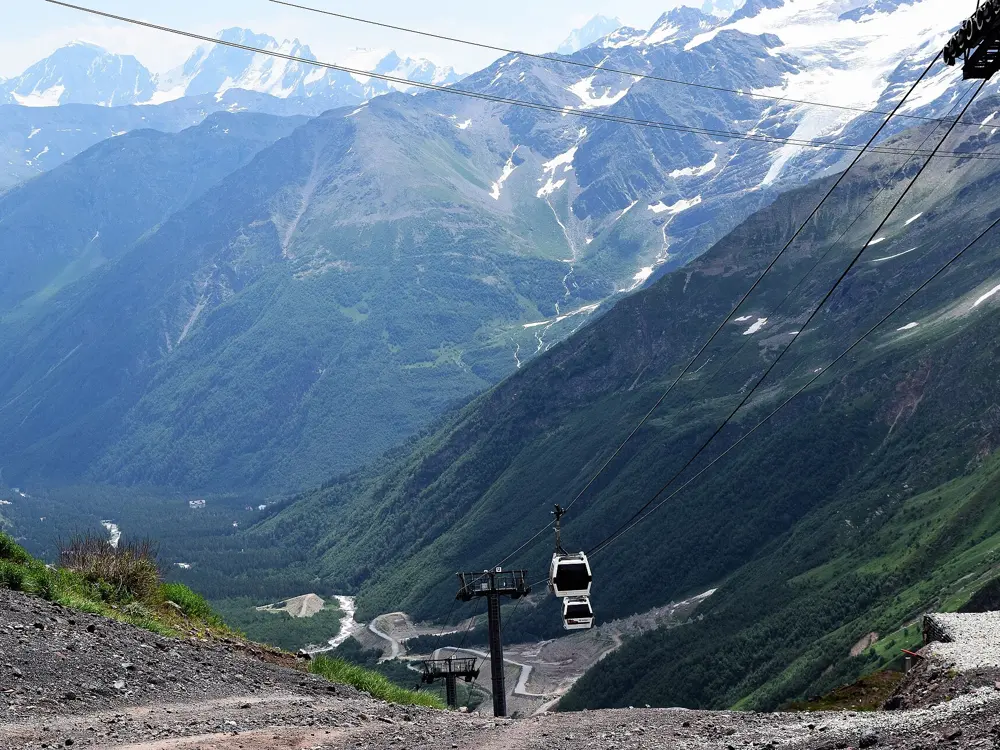
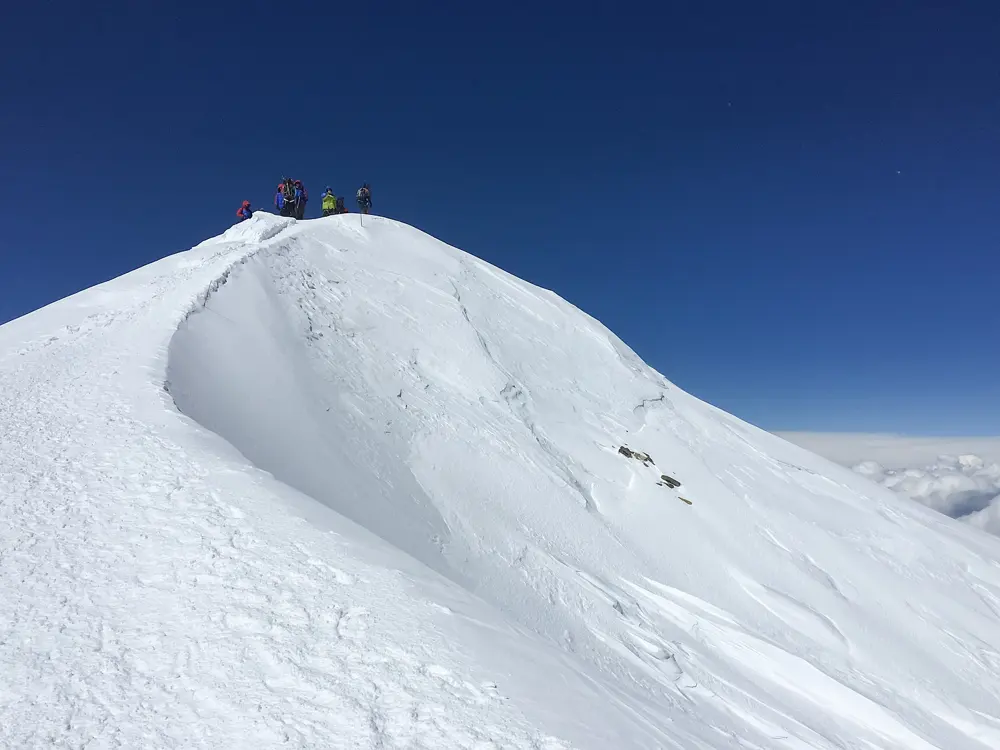
The twin snow-covered summits of Elbrus seen from Cheget across the valley, under a band of cloud

Photos: Dmitry A. Mottl (CC BY-SA 4.0), Dmitry A. Mottl (CC BY-SA 4.0), Riadchikova (CC BY-SA 4.0), Dmitry A. Mottl (CC BY-SA 4.0)

Distance
4.7 to 128.3 km at the Wild Trail
Summit
Elbrus West summit, 5,642 m
Skyrace
Azau to summit, about 3,350 m of climbing
Wild Trail
8 and 9 August 2026

Why go

Elbrus, at 5,642 m the highest mountain in Russia and Europe, has two kinds of running. The first is one of skyrunning's classic races: the Red Fox Elbrus Race, a week-long festival each May whose main event climbs from Azau to the West summit. The second is summer trail running in the Baksan valley below, where the Elbrus Wild Trail and the Alpindustria Elbrus Race now fill the valley each August. Both happen in serious mountains: in late July 2026 a storm killed six climbers on the upper slopes.

The route

The Red Fox SkyMarathon starts at Azau, about 2,350 m, and climbs past the Mir lift station (3,450 m), the Barrels huts (3,780 m), the Pastukhov Rocks (4,800 m) and the saddle (5,350 m) to the summit; a runner's account gives about 3,350 m of climbing in 14 km. A shorter Skyrace starts at the Barrels, and a Vertical Kilometre climbs from Azau to Mir, about 1,050 m in 5 km. Skis and any help are banned. The Elbrus Wild Trail, based at Azau, had nine races in 2026: 4.7, 10.9, 20.5, 21.2, 21.9, 32.1, 34.8, 60.2 and 128.3 km, the longest with more than 10,700 m of climbing. The Alpindustria Elbrus Race, based in Terskol, offered 39 to 131 km on 1 to 3 August 2026.

When to go

August for valley and ridge trails, when the Wild Trail and Alpindustria races are held. The Red Fox festival runs in early May (its site gives 2 to 8 May); we found no confirmation of its 2026 edition. Summit weather can turn within hours: the July 2026 storm brought gusts of about 75 km/h.

Getting there

Fly to Mineralnye Vody; the drive to Azau takes 3 to 4 hours. The UK advises against all travel to Russia, and the e-visa does not cover UK or US citizens.

Permits and booking

MChS, Russia's emergency ministry, says an Elbrus ascent is a high-risk route and groups should notify its Kabardino-Balkaria or Karachay-Cherkessia office through its website, by registered post or in person, with the list of participants 10 days before; it strongly recommends a certified guide. In 2026 Russian law still left the choice of guide to climbers, though a bill was being drafted. Wild Trail entry costs 6,000 to 20,000 roubles; you need a medical certificate, insurance of at least 300,000 roubles for trail running, and mountain experience for the longer races, plus an ITRA or UTMB index of 400 for the 128.3 km. Red Fox speed races require snow and ice experience and finishing the VK and ski race first.

How hard it is

Hard to extreme. The summit race is a high-altitude climb on snow and ice; arrive already acclimatised. The short Wild Trail races are within reach of fit trail runners.

Where to sleep

Hotels at Azau sit at the start of the summit race, and the organisers can book them. The Barrels huts at about 3,800 m are basic and cheap, and good for acclimatising.

Tips

  • Acclimatise for days before going high: the lifts reach close to 4,000 m, far faster than your body can adjust.
  • Check the forecast every morning and turn back early; storms on Elbrus have killed experienced climbers.
07 / 10

Yekaterinburg and the Europe-Asia Marathon

Yekaterinburg, Sverdlovsk Region

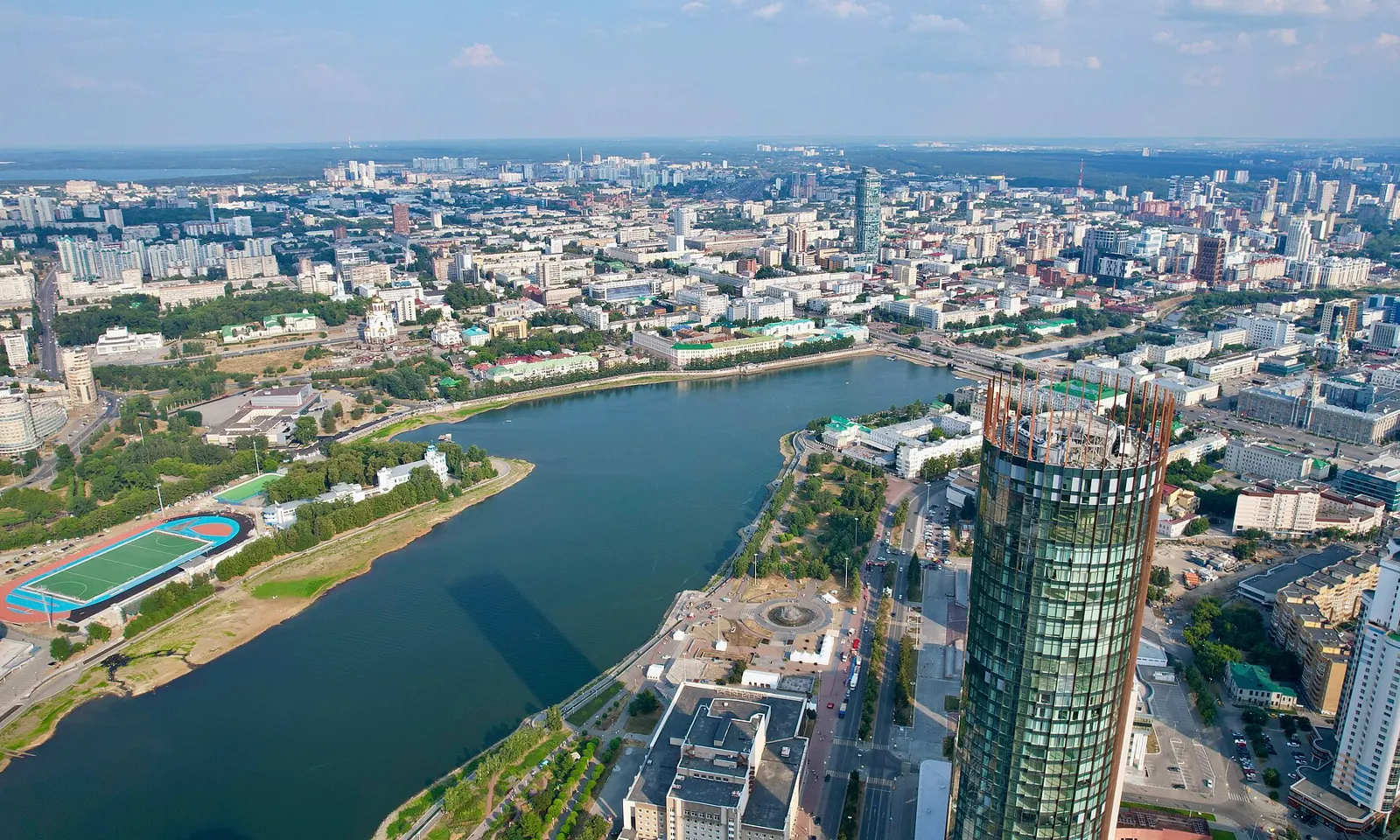
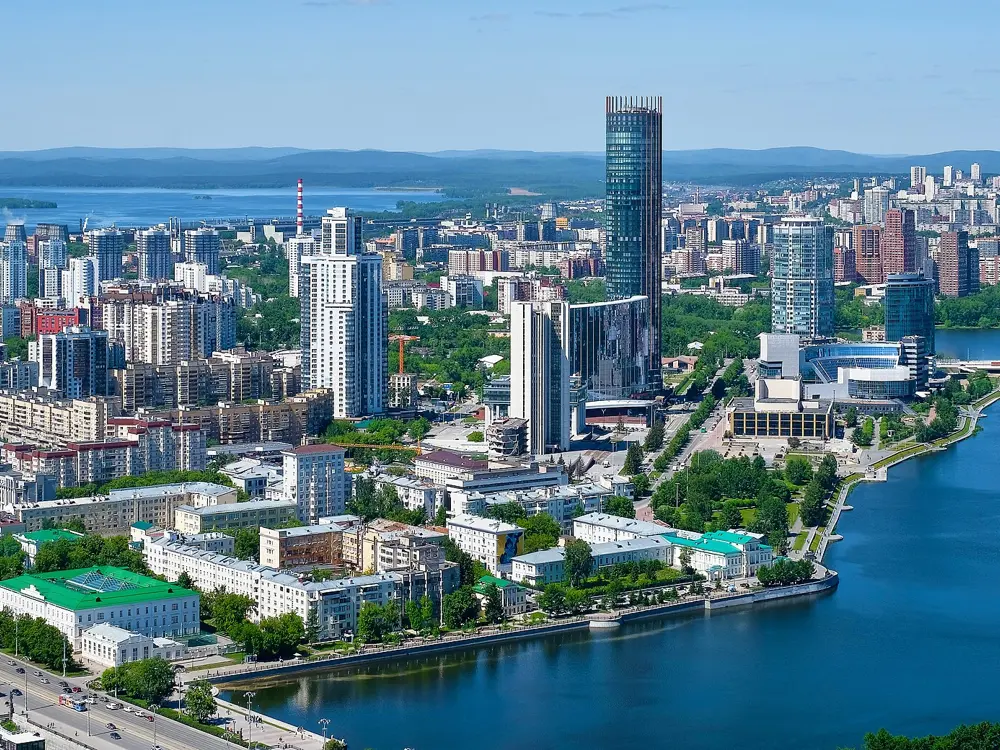
The City Pond in Yekaterinburg seen from above, with the Iset Tower and the city stretching to the horizon

Photos: Vyacheslav Bukharov (CC BY-SA 4.0), CopperKettle (CC BY-SA 3.0), S. Kleinmichel (CC BY 4.0), Vyacheslav Bukharov (CC BY-SA 4.0)

Distance
1, 3, 10, 21 and 42 km
Race weekend
8 and 9 August 2026
Field
More than 6,000 expected in 2022
Hill
Steep climb on Repina and Metallurgov streets

Why go

Yekaterinburg is the main city of the Urals, and its marathon is named for the border between Europe and Asia, marked by an obelisk outside the city. The Europe-Asia Marathon closes the city centre each August for thousands of runners, and its organisers call it the hardest road marathon in Russia. In some years the course has finished at the Europe-Asia obelisk outside the city; in others it stays on the city streets. Between races, the embankments of the Iset river and the City Pond give runners a long stretch of water through the middle of town.

The route

In 2025 the race had 42, 21, 10, 3 and 1 km runs plus a 3.2 km race walk, on closed streets in the centre; runners singled out the steep climb on the Repina to Metallurgov section, where some had to walk. In 2022 the marathon finished at the Europe-Asia obelisk, with the Novo-Moskovsky road out of the city closed for it from 9:30 to 14:00. A sports site says the race now alternates, with the road race to the obelisk in odd years and a city course in even years, which would put the next border course in 2027. For training, run the paved embankment along the Iset and around the City Pond in the centre.

When to go

August. The 2026 race weekend was 8 and 9 August, with the main road closures on the morning of 9 August from 6:00 to 13:00 along Lenin Avenue and the streets around it.

Getting there

Fly into Koltsovo or take the train from Moscow. The UK advises against all travel to Russia, and the 30 day e-visa covers only 64 countries, not including the UK or the US.

Permits and booking

The embankments are free and open. Race entry is through the organisers; as at other Russian races, plan on a medical certificate at bib pickup. In 2022 the organisers expected runners from Kazakhstan, Belarus, China and Vietnam.
How hard it is

Moderate. The city course is a hilly road race by Russian standards, and the organisers' own description is the hardest road marathon in the country.

Where to sleep

Hotels around the City Pond and Lenin Avenue are on the course and next to the riverside paths.

Tips

  • Save something for the climb on Repina and Metallurgov streets, where many runners walk.
  • Check which course the year's race uses: the border run to the obelisk is the one to travel for.
08 / 10

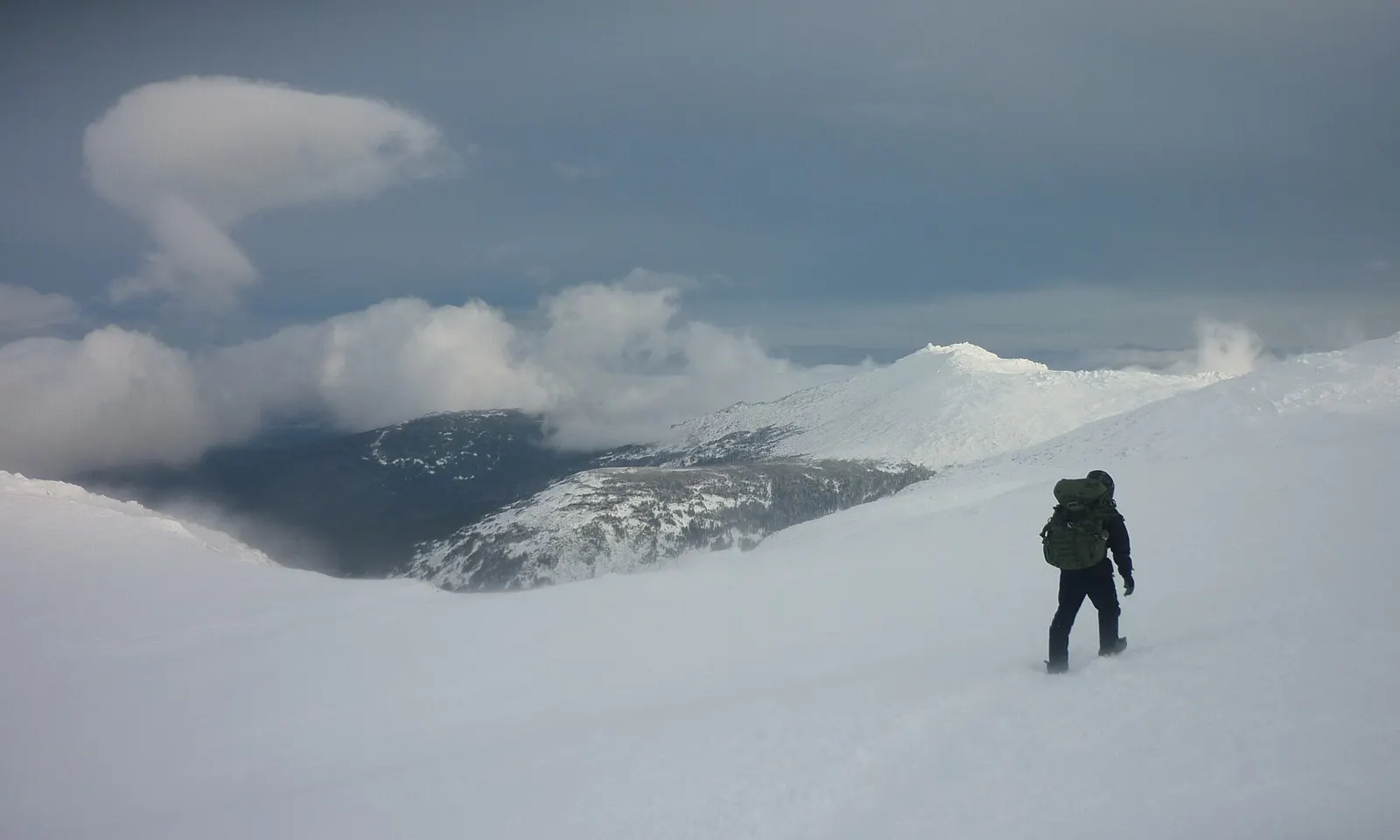
Konzhakovsky Kamen and the Konzhak Mountain Marathon

Northern Urals, near Kytlym, Sverdlovsk Region

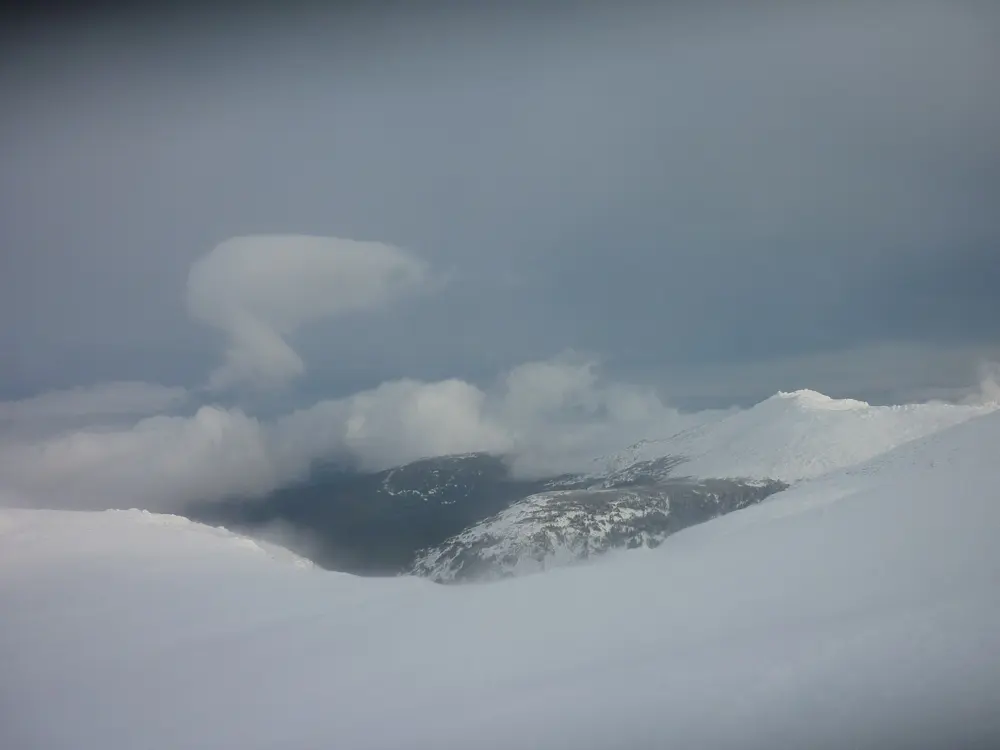
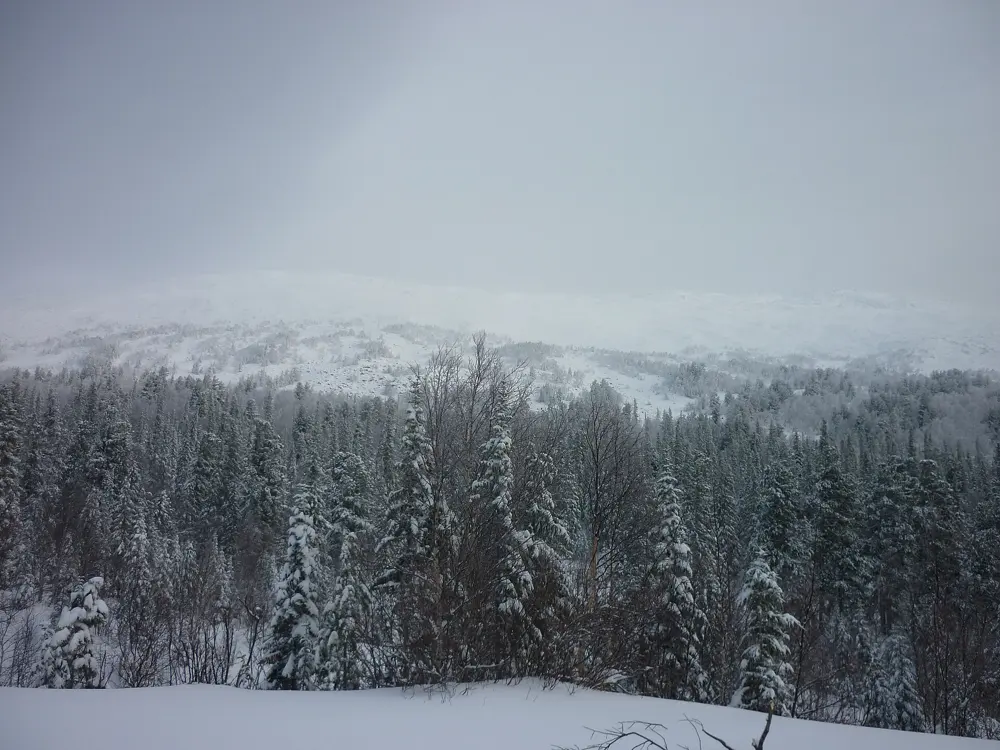
A hiker crossing the snow-covered summit plateau of Konzhakovsky Kamen with cloud-capped ridges beyond

Photos: Copper Kettle (CC BY-SA 2.0), Copper Kettle (CC BY-SA 2.0), Copper Kettle (CC BY-SA 2.0), Copper Kettle (CC BY-SA 2.0)

Distance
42 km out and back
High point
Konzhakovsky Kamen, 1,569 m
Climbing
About 1,300 m
Time limit
11 hours

Why go

Konzhakovsky Kamen, 1,569 m, is the highest point of Sverdlovsk Region, a bare stone dome rising out of the taiga of the northern Urals. Its mountain marathon has run since 1996: 14 people ran the first one in 1996, and it now draws well over a thousand, with about 1,200 finishers in 2025 and more than 2,000 starters expected in 2026. It became a stage of the Russian Skyrunning Cup in 2013, hosted the first Russian trail running championship in 2019, and is a qualifier for the UTMB series.

The route

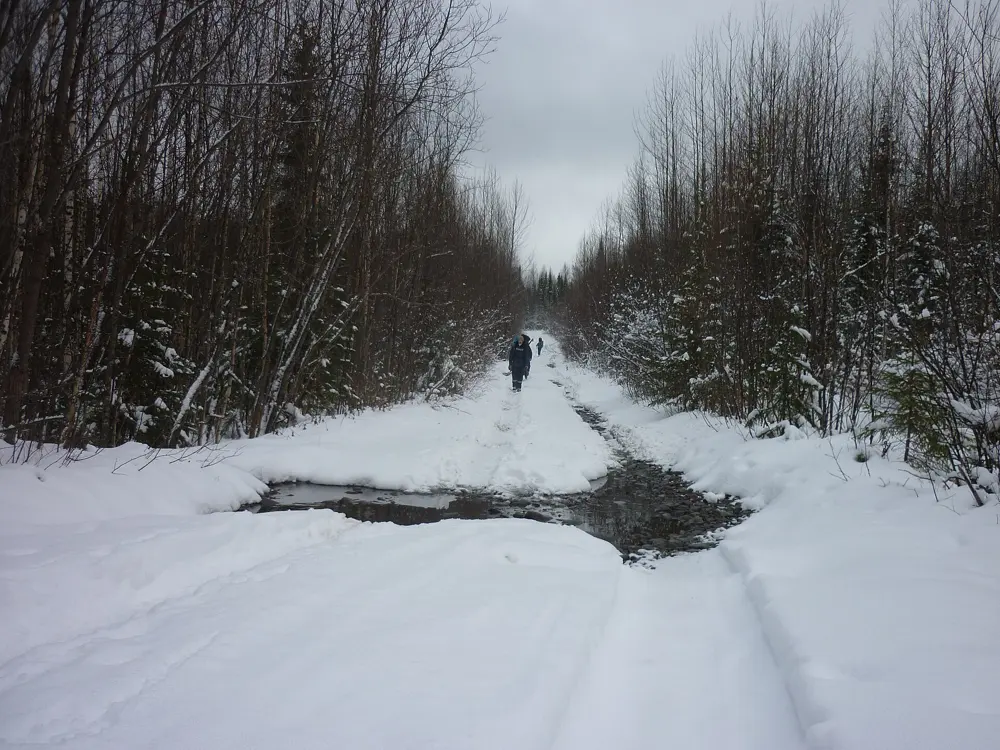
There is one race, 42 km. It starts on the Katyshyor meadows by the bridge over the Katyshyor river near the village of Kytlym, climbs through mixed forest, taiga and forest-tundra to the Iovskoye plateau and on to the summit of Konzhakovsky Kamen, then returns the same way. The surface changes from fine gravel and dirt trail to grass and the boulder fields the Urals call kurumnik, which are the most dangerous ground on the course, especially when wet. Total climbing is about 1,300 m, and the organisers may shorten the course in bad weather.

When to go

Early July. The 2026 race was on Saturday 4 July, starting at 10:00, and the course closed at 21:00. Weather is unpredictable: rain, fog and strong wind can arrive fast.

Getting there

Fly or take the train to Yekaterinburg, then travel about 390 km north to Krasnoturinsk or Karpinsk, or a little further to Volchansk. On race morning shuttle buses leave all three towns at 7:00 for the start; you can also drive. The UK advises against all travel to Russia, and the e-visa does not cover UK or US citizens.

Permits and booking

Race entry in 2026 cost 4,500 roubles for ages 18 to 54 and 3,500 for those 55 and over; online registration closed on 1 July or when places ran out, with no entry on race day. Under-18s may run only with a parent or guardian. Race packs are collected in Krasnoturinsk, Karpinsk or Volchansk in the days before.

How hard it is

Hard. You must reach the Iovskoye plateau checkpoint at 17 km within 4.5 hours or be pulled from the race, and the finish limit is 11 hours. The boulder fields are slow and slippery.

Where to sleep

Stay in Krasnoturinsk or Karpinsk, where race packs are handed out and the shuttles leave.

Tips

  • Practise on rocky ground before you go: the boulder fields near the top cost more time than the climb.
  • Pack a waterproof jacket and gloves even in July; the summit weather changes in minutes.
09 / 10

Krasnoyarsk Stolby

Krasnoyarsk, Krasnoyarsk Region

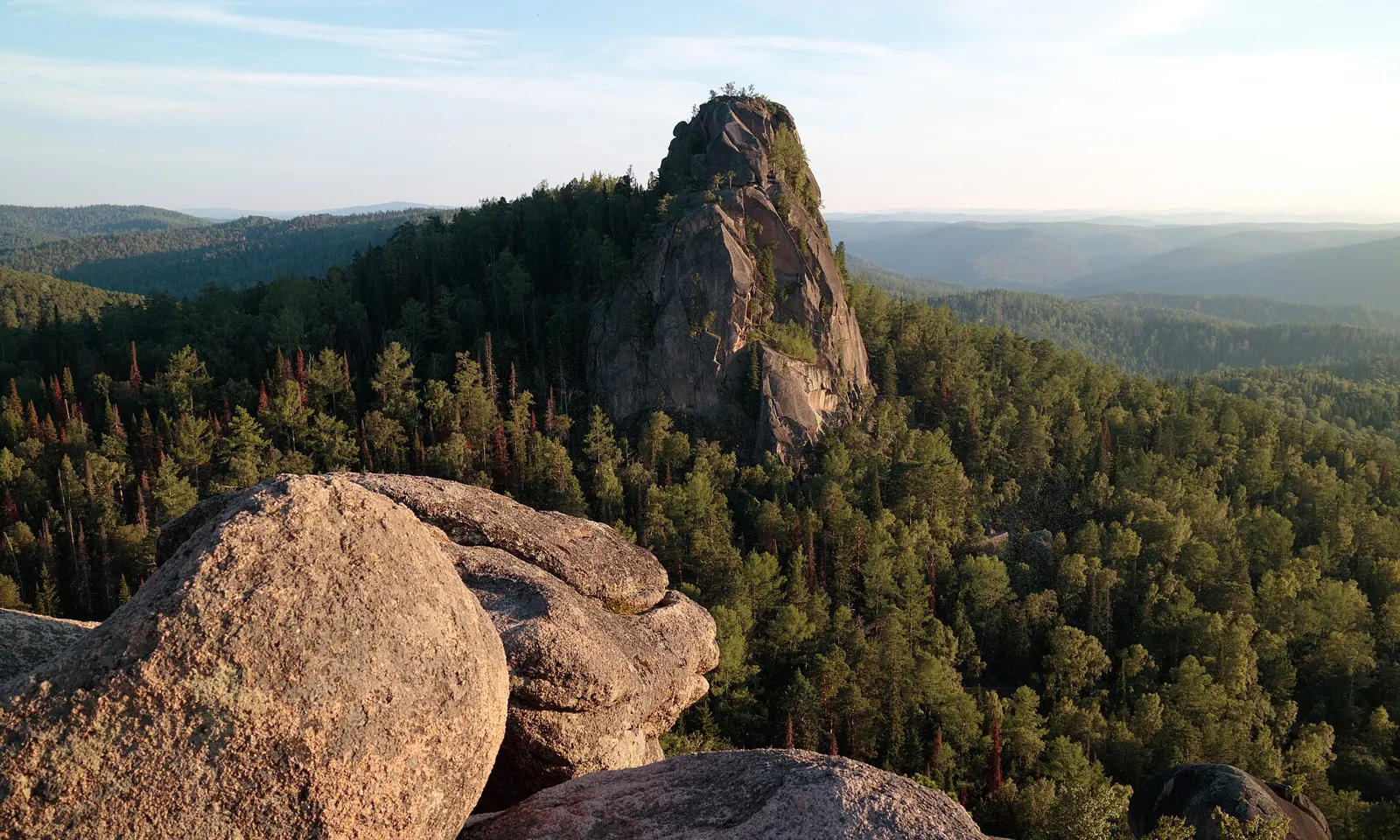
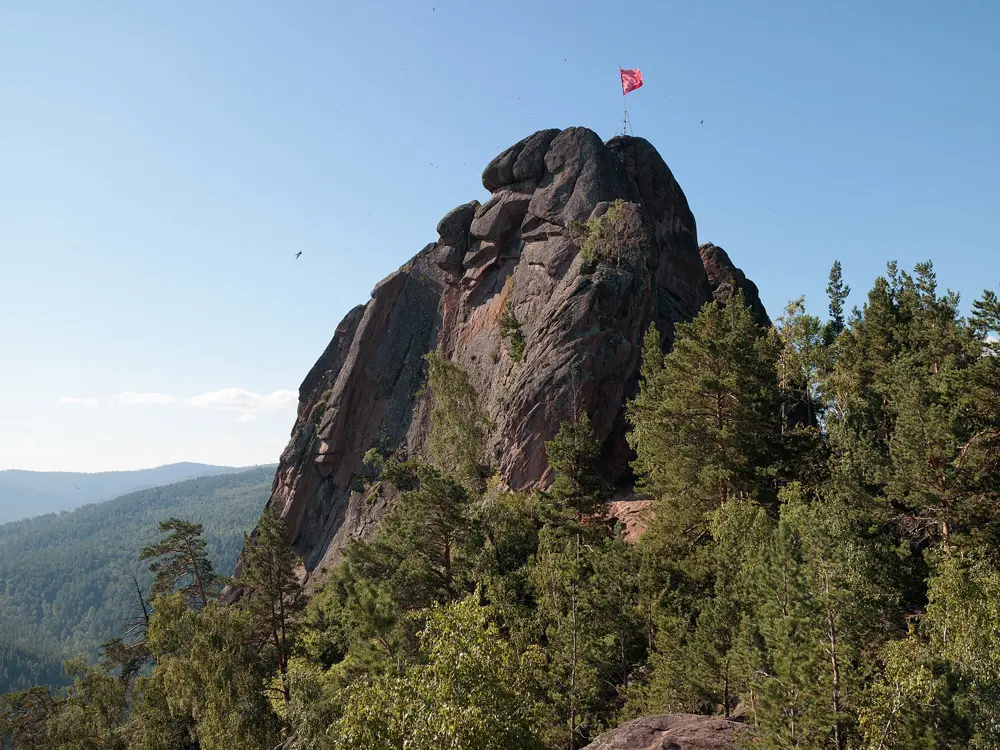
A tall syenite pillar rising above the taiga in the Krasnoyarsk Stolby, with boulders in the foreground

Photos: Vyacheslav Argenberg (CC BY 4.0), Alexander Klink (CC BY 4.0), Alexander Klink (CC BY 4.0), Vyacheslav Argenberg (CC BY 4.0)

Distance
About 7 km from Laletino to the main rocks
Full loop
18 to 20 km via the Kashtak trail
Park
47,219 hectares, national park since 2019
Entry
Free, open all day and all year

Why go

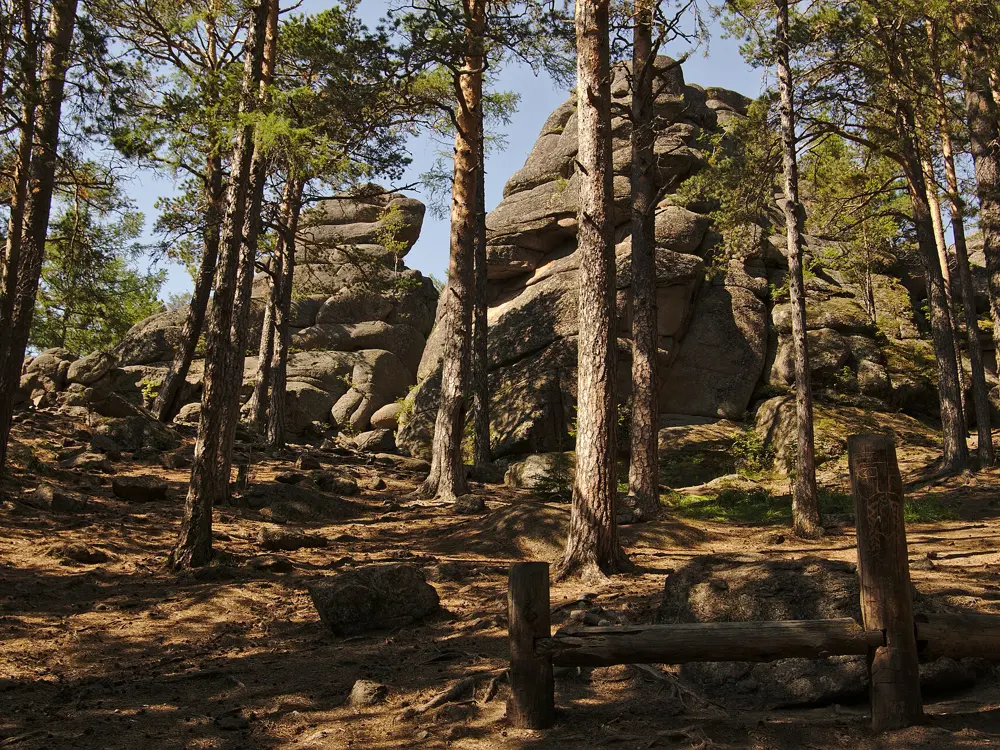
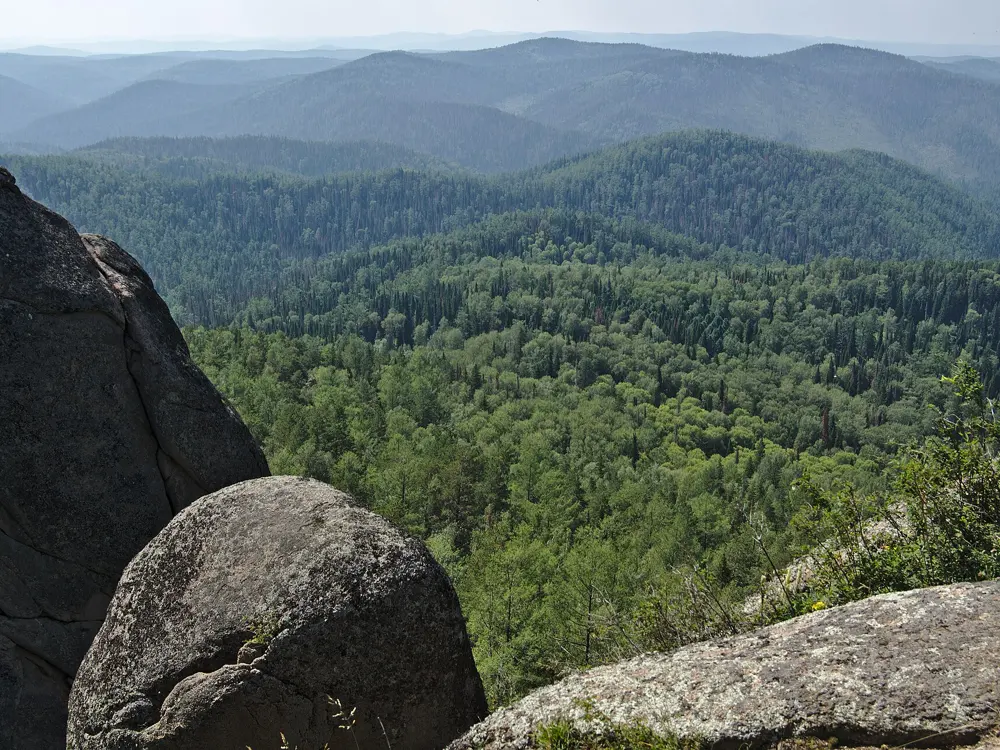
On the edge of Krasnoyarsk, taiga ridges on the right bank of the Yenisei are studded with towers of syenite, the Stolby, or pillars. The area was protected as a nature reserve in 1925 at the request of the townspeople and became a national park in 2019, and more than 700,000 people visit each year. For the city's runners and climbers it is a training ground with a culture all its own, called stolbizm, more than 150 years old. A runnable trail climbs through pine forest to the Central Stolby, rocks with names like Ded (Grandfather), Perya (Feathers) and Lvinye Vorota (Lion's Gate).

The route

The main trail runs about 7 km from the Laletino cordon up to the main rocks of the Central district; walkers take 2 to 3 hours each way, and it makes a steady climb and a fast descent for runners. A longer route from the regional tourism centre starts at the top of the chairlift on the Kashtak ridge, follows the Kashtak trail past the Stolbovskaya Vidovka viewpoint to the Central rocks and drops down the Laletina river to the tourist base, 18 to 20 km. Off the main trail the paths are not waymarked and mostly have no drinking water. The Central district is a block of about 5 by 10 km, so it rewards exploring.

When to go

Late spring to autumn. Ticks are active from late April, and the regional tourism centre says visitors in spring and summer should be vaccinated or insured against tick-borne encephalitis. Krasnoyarsk's road race, Krasmarafon Zhara, was on 22 and 23 August 2026 with 5 and 21.1 km. Winter running needs warm clothes and shoes that grip.

Getting there

Fly into Krasnoyarsk. City buses 19, 50 and 78 go to the Turbaza stop near the Laletino trailhead in 20 to 40 minutes. The UK advises against all travel to Russia, and the e-visa does not cover UK or US citizens.

Permits and booking

The main tourist zone is free and open around the clock. Multi-day trips and overnight stays at the cordon need paperwork through the national park's website, and camping outside designated sites is prohibited. The chairlift at Bobrovy Log is paid.

How hard it is

Moderate. The Laletino trail is a long, steady climb on a good path; the side paths to the rocks are steep, rough and unmarked.

Where to sleep

Stay in Krasnoyarsk; hotels on the right bank are closest to the Turbaza stop and Bobrovy Log.

Tips

  • Check yourself for ticks after every run from late April through summer.
  • Carry water: there is almost none along the trails.
10 / 10

Vladivostok: Russky Island and the Bridges of Vladivostok Marathon

Vladivostok, Primorsky Region

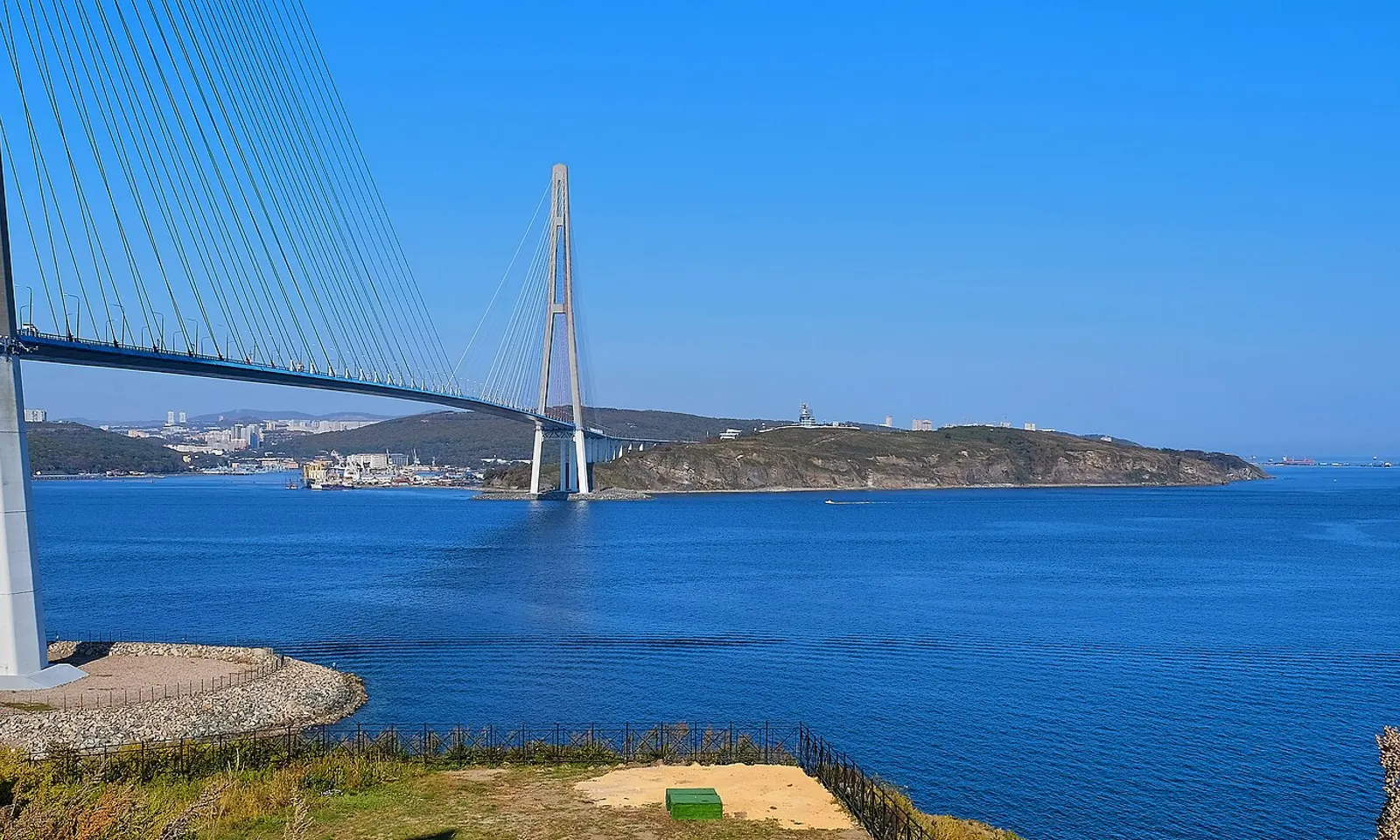
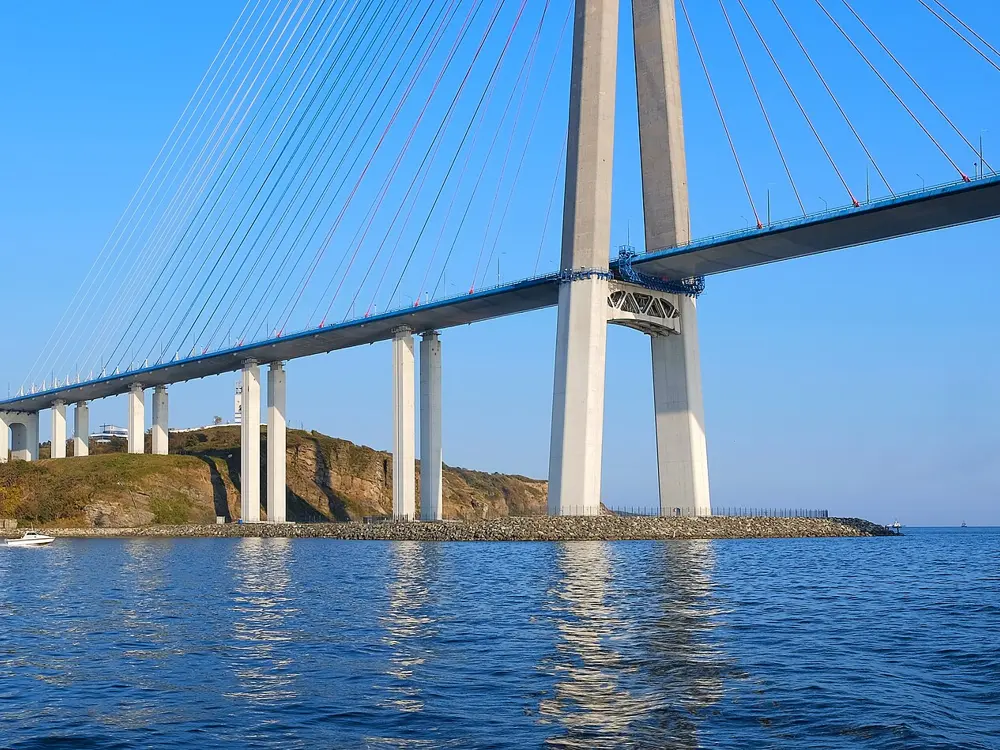
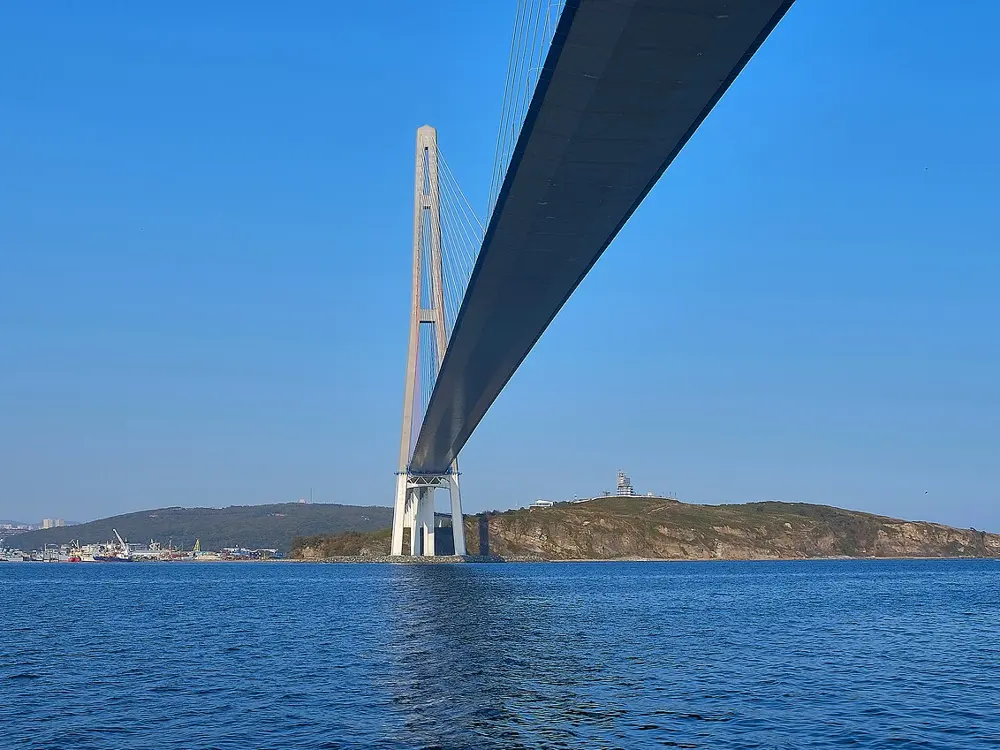
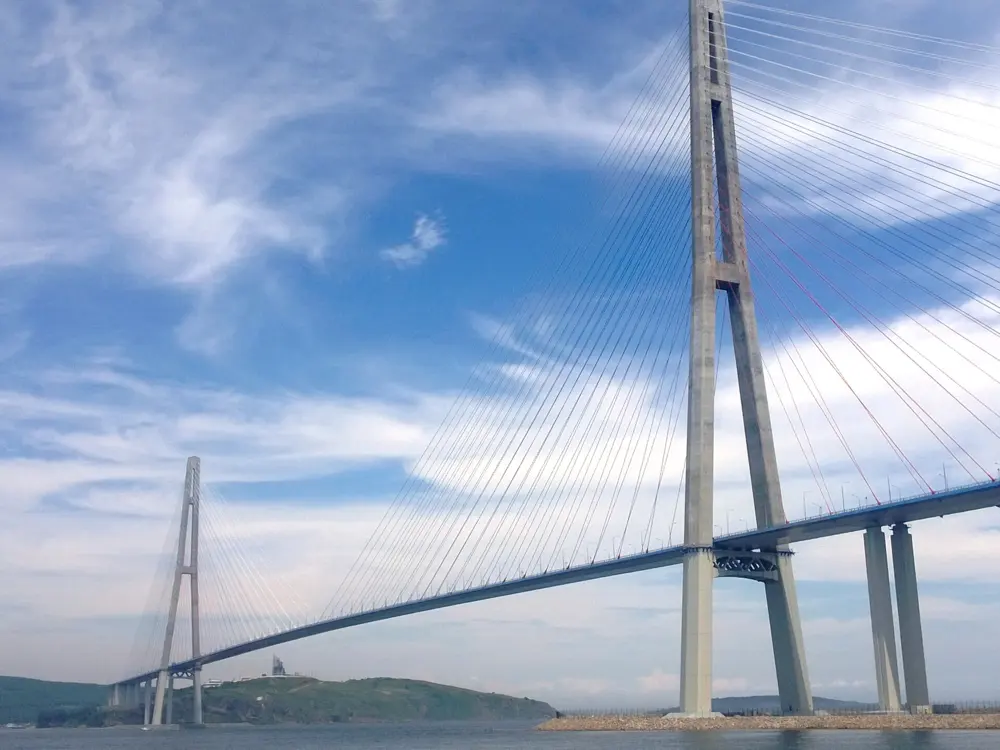
The Russky Bridge crossing the strait to Russky Island under a clear blue sky, seen from a headland

Photos: Vyacheslav Bukharov (CC BY-SA 4.0), Vyacheslav Bukharov (CC BY-SA 4.0), Vyacheslav Bukharov (CC BY-SA 4.0), Константин Сергеевич… (CC BY-SA 3.0)

Distance
1 to 42.2 km, including a 28 km
Climbing
About 1 km of gain on the marathon
Field
More than 5,000 in 2025
Race day
26 September 2026

Why go

Vladivostok, on the Pacific, has a marathon unlike any other in Russia. The Bridges of Vladivostok marathon crosses both of the city's great cable-stayed bridges: the Golden Bridge and the Russky Bridge out to Russky Island. In 2025, its ninth edition, more than 5,000 runners came from 50 Russian regions and 13 countries, including China, India, Japan, South Korea and the United States. In winter the city even holds a race on the frozen sea.

The route

The course starts and finishes on the city's central square. The longer distances cross the Golden Bridge and the Russky Bridge and run on Russky Island, while the shorter ones turn near the Golden Bridge and come back to the square. The marathon has about 1 km of climbing. The 2025 race added 3, 7 and 28 km to the usual 10 km, half and full marathon, with a 1 km children's race and a Paralympic race, and the 2026 programme listed 1, 3, 7, 10, 21.1, 28 and 42.2 km.

When to go

Late September, for the marathon. The 2026 race was on 26 September and the Honor Vladivostok Ice Run, with distances up to 21.1 km, on 14 February 2026.

Getting there

Fly into Vladivostok. The UK advises against all travel to Russia, and the 30 day e-visa, open to citizens of countries including China, India and Japan, does not cover the UK or the US.

Permits and booking

Race entry is through the organiser, the DNS group of companies, which runs the race with support from the regional government and the city. Plan on a medical certificate, as at other Russian races.

How hard it is

Moderate. The bridges give the marathon about 1 km of climbing, far more than a flat city race.

Where to sleep

Hotels around the central square put you at the start and finish.

Tips

  • Train on hills: the long ramps up to the bridges come late in the race as well as early.
  • Bring a windproof layer; the bridges are exposed to the wind off the sea.

Sources

Distances, heights, seasons and permit rules were checked against these pages. Rules change, so check the park or trail authority before you go.