Rungs Labs

Rungs Pilgrimage · Climbing · China

The 10 Best Places for Rock Climbing in China

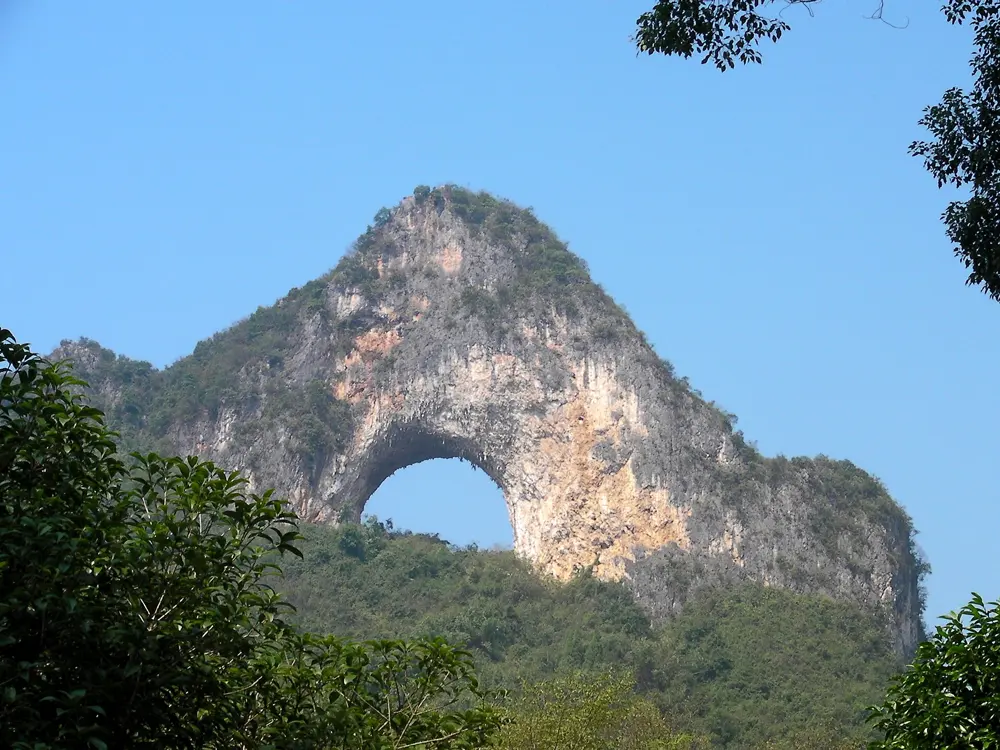
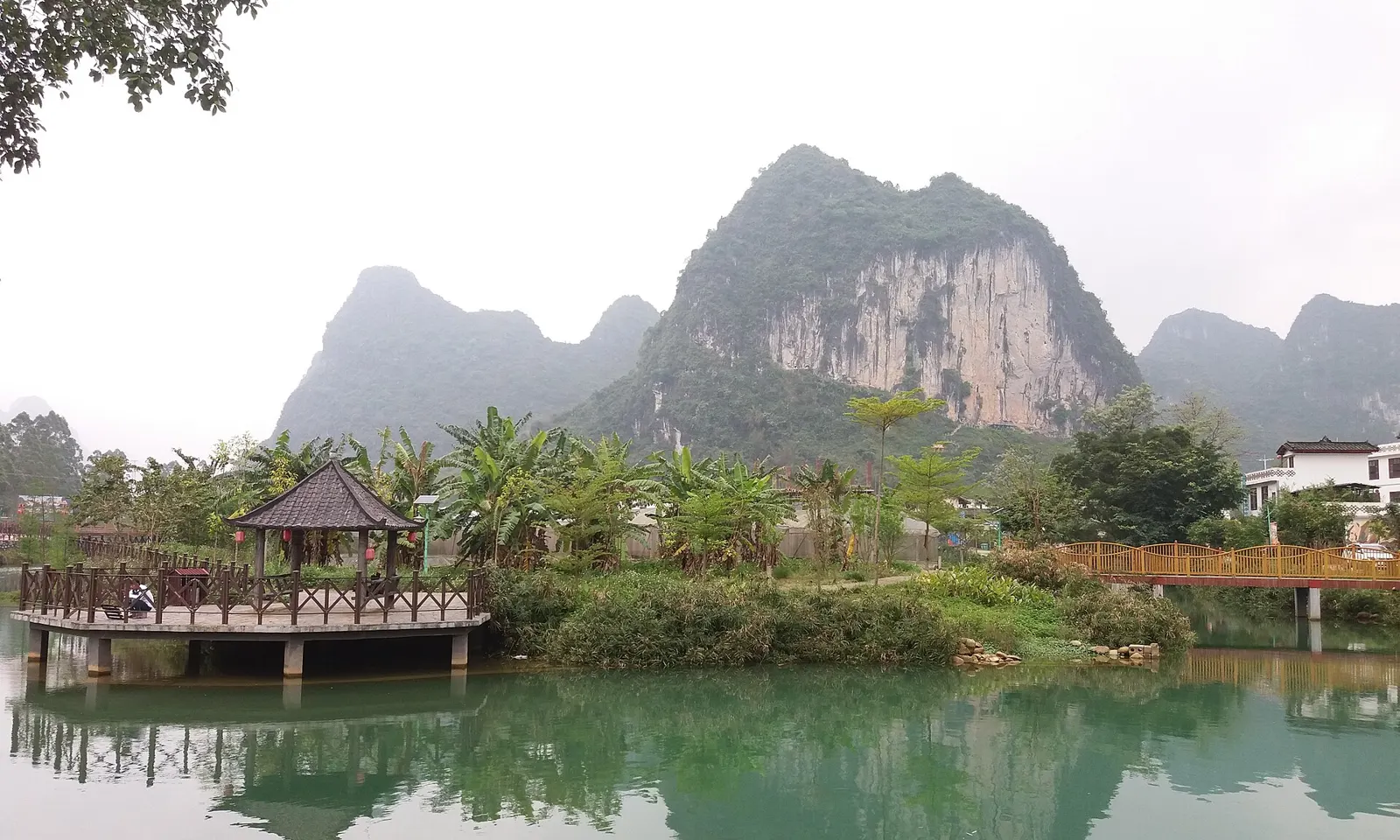
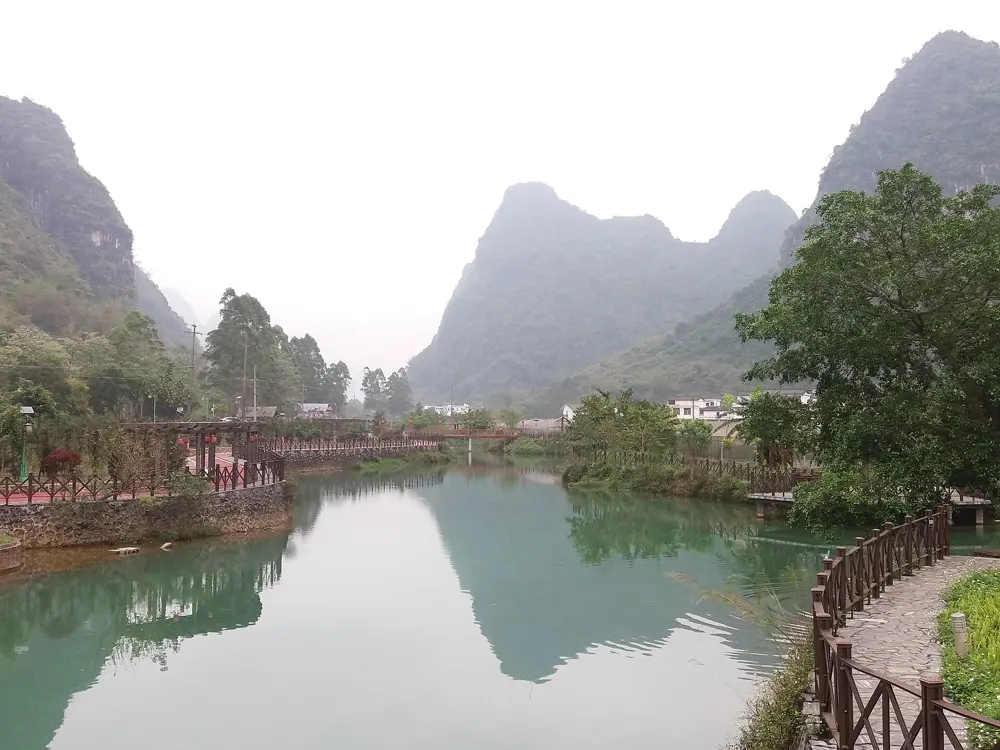
Yangshuo, Guilin, Guangxi. Photo: chensiyuan (CC BY-SA 4.0)

China has limestone karst in the south, red sandstone cracks and limestone caves in Yunnan, granite in the north and on the coast, sea cliffs in Hong Kong and alpine granite walls in Sichuan. These ten run from the karst of Yangshuo and Mashan in Guangxi, through Liming, Kunming and Dali in Yunnan and the big granite of Siguniang in Sichuan, to Baihe outside Beijing, Laoshan above Qingdao, and Tung Lung Chau and Lion Rock in Hong Kong.

For each one you get the rock, the classic climbs and grades, the best season, how to get there, the access rules and fees, how hard it is and where climbers stay. Access in China changes, sometimes overnight, so each place says plainly what is closed or needs a permit. Every fact comes from tourism and park bodies, news reports, the American Alpine Journal, Mountain Project, theCrag, local climbing sites or the other pages linked at the bottom.

Updated 2026-10-19

  1. 01YangshuoGuilin, Guangxi
  2. 02LimingLaojunshan National Park, Lijiang, Yunnan
  3. 03Tung Lung ChauSai Kung District, Hong Kong
  4. 04MashanGuling Town, Mashan County, Nanning, Guangxi
  5. 05Siguniang and the Shuangqiao ValleyXiaojin County, Aba, Sichuan
  6. 06Baihe (White River)Miyun District, Beijing
  7. 07Lion RockLion Rock Country Park, Kowloon, Hong Kong
  8. 08Fumin Gorge and the Kunming cragsKunming, Yunnan
  9. 09Shuanglang and the Dali cragsDali, Yunnan
  10. 10LaoshanLaoshan District, Qingdao, Shandong
01 / 10

Yangshuo

Guilin, Guangxi
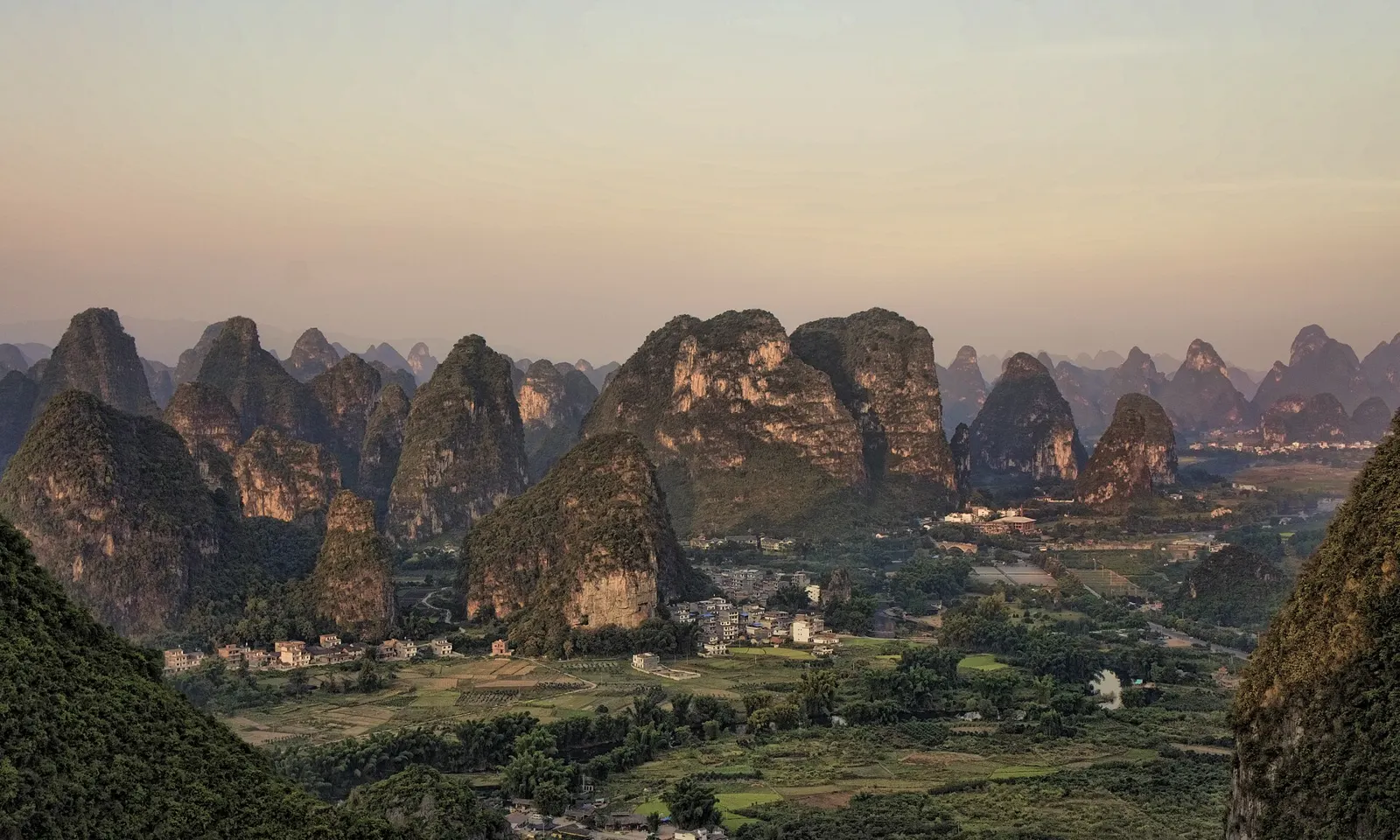
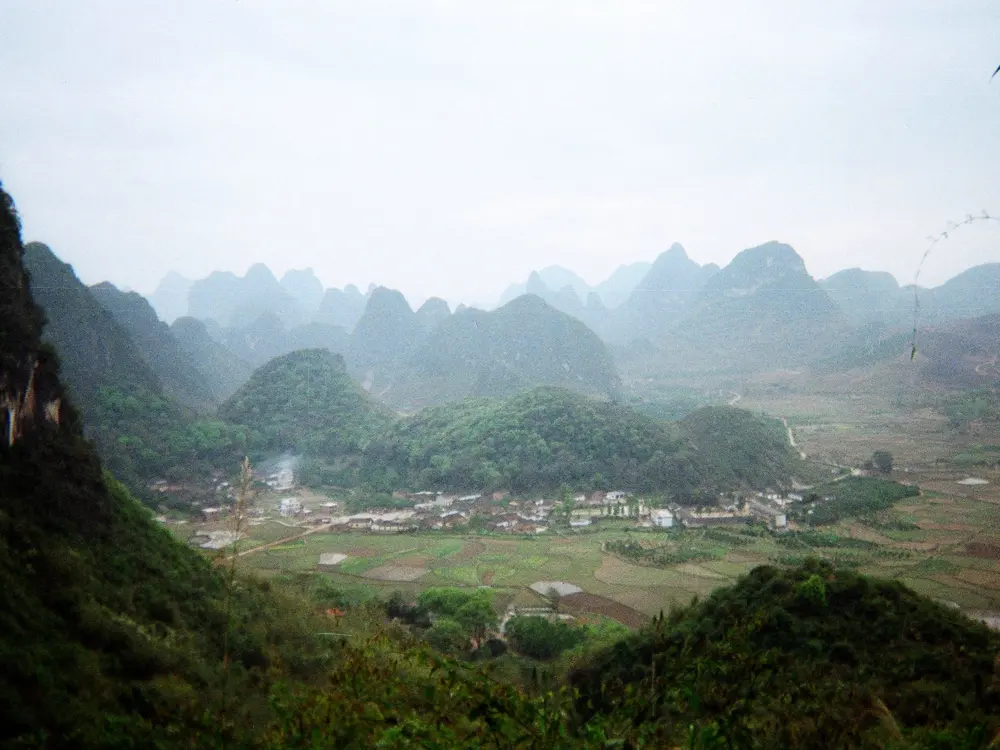
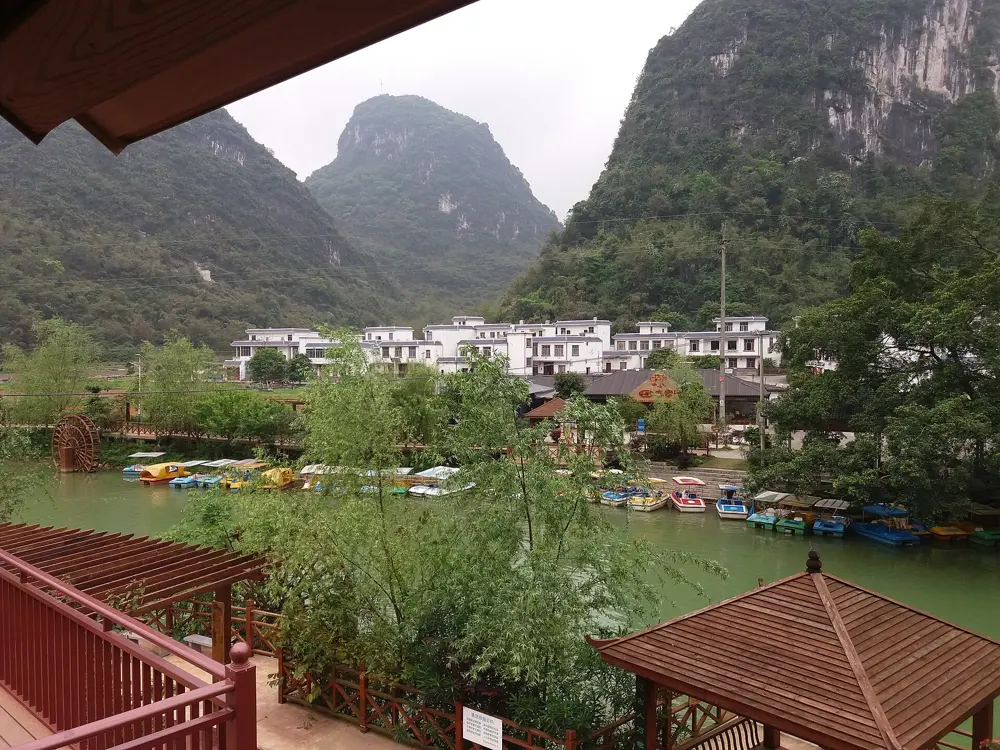
Limestone karst towers and farmland around Yangshuo seen from Moon Hill at sunset

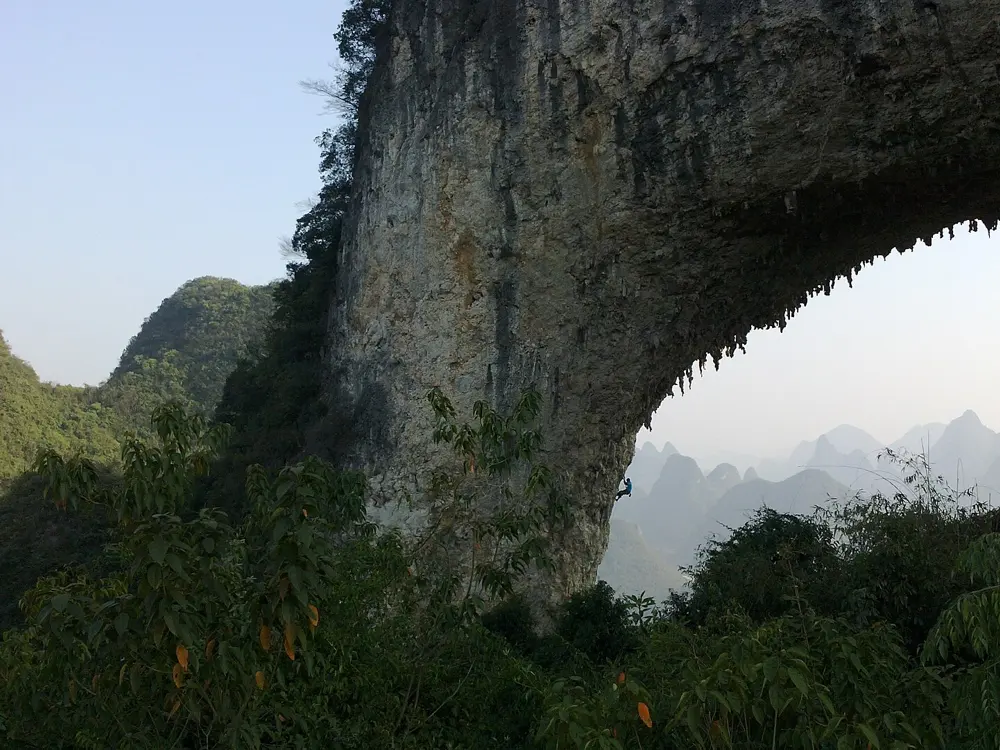
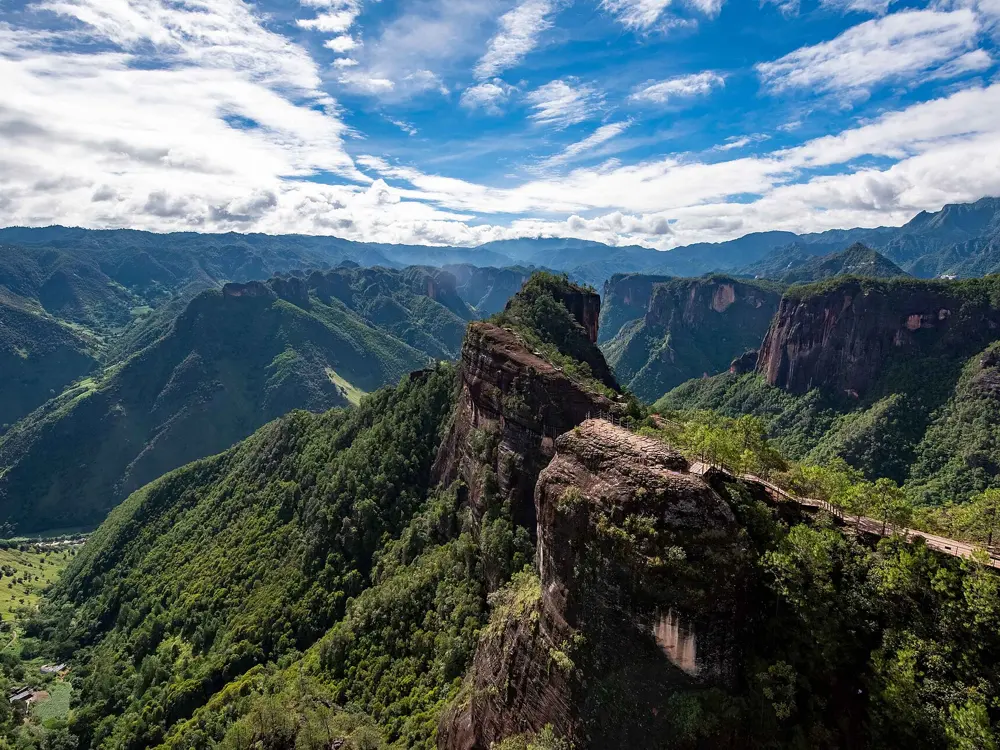
Photos: chensiyuan (CC BY-SA 4.0), Maria Ly (CC BY 2.0), Supreo75 (CC BY-SA 3.0), Jon Evans from Toronto, Canada (CC BY 2.0)

Rock
Limestone karst
Style
Mostly sport, a few trad lines
Routes
Nearly 2,000 on 74 crags
Season
September to May; autumn is best

Why go

Yangshuo is the best known climbing area in China, and theCrag ranks Guangxi as the country's top climbing region because of it. Limestone towers stand up out of the rice fields along the Li River, and almost every one of them has bolts on it. In May 2026 China Daily counted nearly 2,000 routes on 74 crags, more than 600 people working in climbing, and new routes still going up. The town has run a climbing festival every year since 2008.

The route

Moon Hill is the landmark: a limestone hill with an arch about 50 m high punched through it, a few kilometres south of town. The American climber Todd Skinner bolted many of its first routes in the 1990s, and Walk the Moon (5.12c) climbs the underside of the arch with a rest straddling a tufa halfway. White Mountain is a white crag rising out of the rice fields with about 35 routes; it faces south, takes sun all day and overhangs by about 15 degrees, so it stays climbable in light rain. Yangshuo Hotel (7b) and The Tic Tac Smuggler (7c) are its best known lines. For easier climbing, Wine Bottle and The Egg have routes from about 4 to 6c+, and Lei Pi Shan holds Lightning (8b+).

When to go

China Daily gives the main season as September to May. Mountain Project calls autumn the best time, with mild temperatures and little rain; summers are hot and wet, and late spring is when rain is most likely. theCrag puts the prime window at mid October to mid March.

Getting there

Come through Guilin, by high speed train or by air, and go on to Yangshuo by bus or taxi; Guilin is about an hour away. Climbers report shared carpools from Guilin at around 70 to 80 yuan each way. In Yangshuo most people rent a bike or a scooter: the crags are about 20 minutes to an hour away by bike.

Permits and booking

Foreign climbers can use most crags after registering with the local climbing association, according to China Daily. Moon Hill sits inside a scenic area with an entry ticket. Climbing there was banned in 2017 and the ban was lifted at the end of 2019, on condition that the routes are inspected every year, paid for by climbers' compulsory climbing insurance. Climbers have reported locals asking for money at a few crags, and a 2025 report says some crags closed after disputes over parking, so park only where it is allowed.

How hard it is

Grades run from beginner routes to 5.15. Some climbers find the easier grades generous. The older bolts on Moon Hill have been called unreliable, so check them before trusting them. Yangshuo has 37 certified climbing clubs that rent gear, run safety briefings and provide certified guides, and beginners are told to climb through one of them.

Where to sleep

Climber's Inn, in town, is the guesthouse climbers recommend most, and it rents scooters. Rock Abond, run by a climbing couple, is another favourite, and Tea Cozy, about 5 km out, suits people who want to ride to the crags.

Tips

  • Some lower offs at White Mountain have no carabiner, so carry a screwgate and a few spare quickdraws.
  • The climbing shops keep a logbook of new routes and changes to the guidebook; read it before you go out.
02 / 10

Liming

Laojunshan National Park, Lijiang, Yunnan

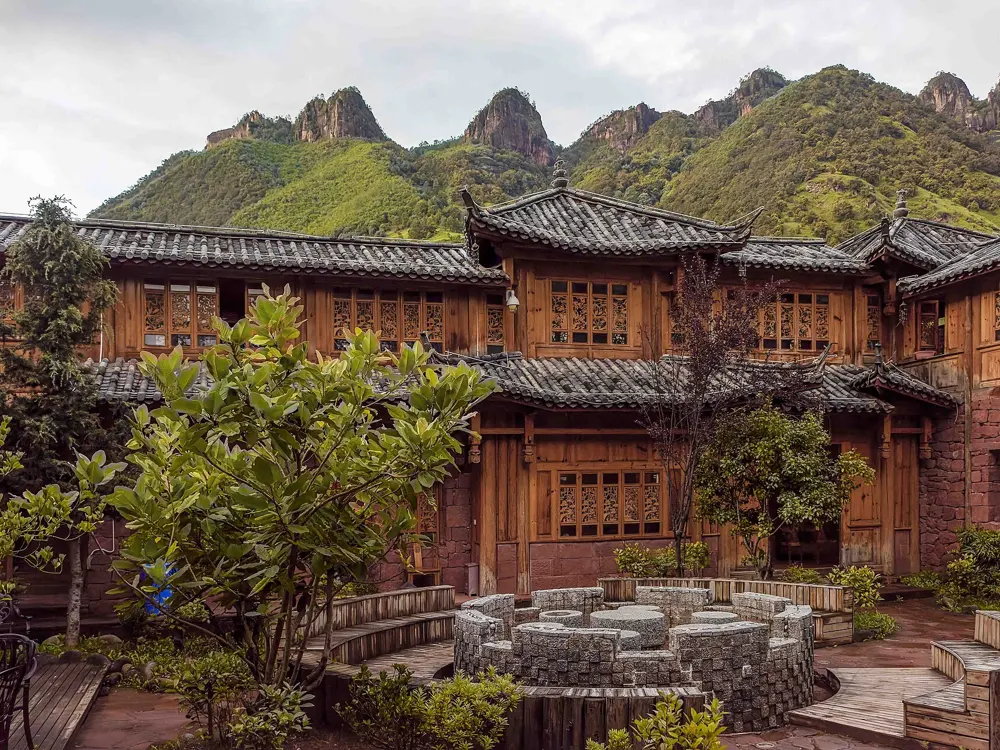
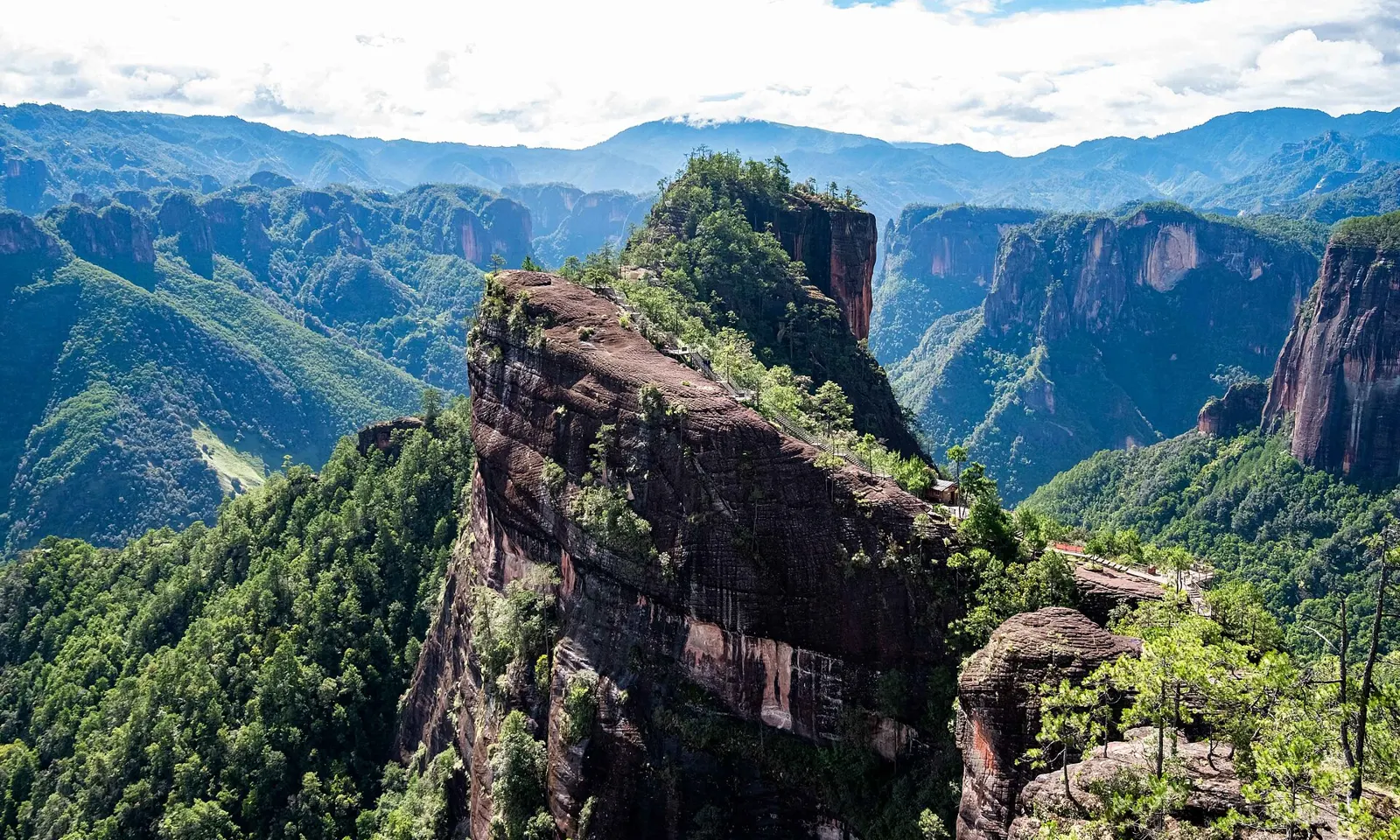
Red sandstone towers rising from the forest in the Laojun Mountains of Yunnan

Photos: Rod Waddington from Kergunyah, Australia (CC BY-SA 2.0), Rod Waddington from Kergunyah, Australia (CC BY-SA 2.0), Rod Waddington from Kergunyah, Australia (CC BY-SA 2.0), GeograMatt (CC BY-SA 3.0)

Rock
Red Danxia sandstone
Style
Trad crack climbing, some sport and multi-pitch
Routes
About 315 in the guidebook, over 450 pitches
Walls
Up to 240 m

Why go

Liming is China's crack climbing valley. Red sandstone cliffs split by vertical cracks line the valleys around a small village in Laojunshan National Park, a few hours from Lijiang. Planet Mountain calls it the most important trad area in China and one of the most important in Asia. The walls reach 240 m, and in 2012 the American Alpine Journal reported seven valleys still untouched. The guidebook covered about 315 trad and sport routes in 2022, over 450 pitches, and the area hosted China's first trad climbing festival in October 2012, which drew about 200 climbers from many countries.

The route

The Lisu Area near the village holds most of the classics. On Pinecrest Buttress, The Great Owl (5.9) and Scarface II (5.10) are popular first routes, and on the Pillars, Clam Digger (5.10c), Faraway Corner (5.11a) and The Funky Dan (5.12b) are the cracks people come back for. Back to the Primitive is an eight pitch line up the Primitive Buttress, first climbed in June 2012 by Mike Dobie and Sarah Rasmussen and graded 5.11+; Lollipop (5.9) is a good way onto it. Dinner Wall has Soul's Awakening and the three pitch Firewall (5.13d), the hardest route listed. Akhum-Rah (5.11b/c) at the south facing Guardian wall is a good winter choice.

When to go

The season runs from October to June. The best months are mid October to November and late February to mid May; Mountain Project's author picks March. The monsoon ends climbing by mid June and lasts into early October. From mid December to January only the south facing cliffs are warm enough. In autumn, nights are around 0 to 5 °C and days 15 to 25 °C.

Getting there

Fly to Kunming, then go on to Lijiang by plane, train or bus. Minibuses to Liming leave from the bus station on Changshui Road in Lijiang; the regular fare is 40 yuan, and you often change at Zhongxing for the last 25 km. Hitchhiking is common.

Permits and booking

Mountain Project lists no climbing permit or fee. The cliffs lie inside Laojunshan National Park, and the visitor centre in Liming gives climbing advice when it is open.

How hard it is

Most established routes are 5.10 to 5.11, with many from 5.7 to 5.9 and dozens of 5.12s. A single crack can go from fingers to off width. Bring doubles from the smallest cams to fists; a #5 is close to essential and a #6 is recommended, and some routes need a 70 m rope. The sandstone is coarse, so take tape and skin salve.

Where to sleep

The Faraway Hotel is the climbers' base, with dorm beds at 20 to 30 yuan and rooms at 60 to 100 yuan, and it can arrange rides to the distant crags. There is also a youth hostel with beds at 20 yuan. Climbers budget 80 to 100 yuan a day.

Tips

  • The nearest cash machine and money exchange are in Lijiang, so bring enough yuan for the whole stay.
  • Mike Dobie's Liming Rock guidebook is sold as an app through Rakkup.
03 / 10

Tung Lung Chau

Sai Kung District, Hong Kong

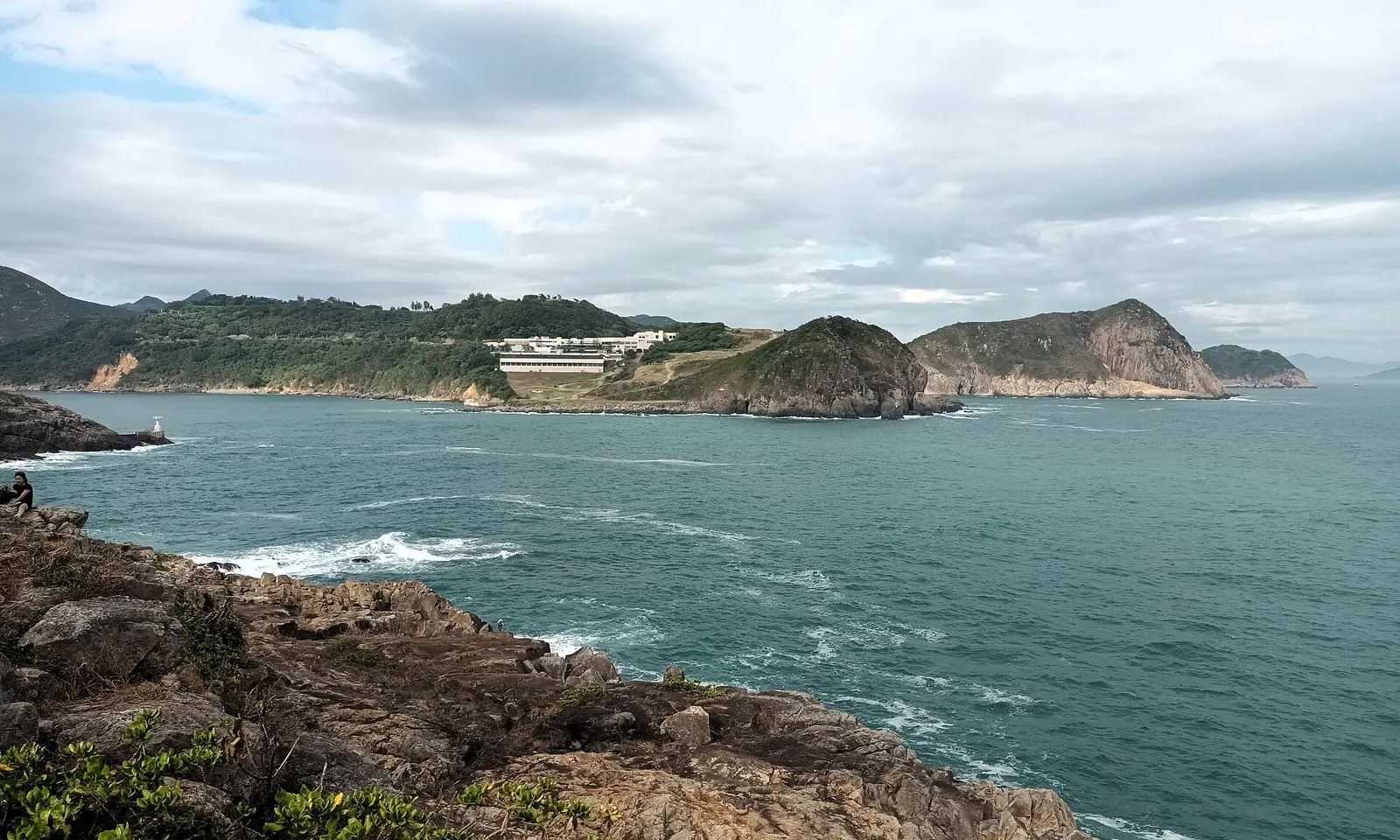
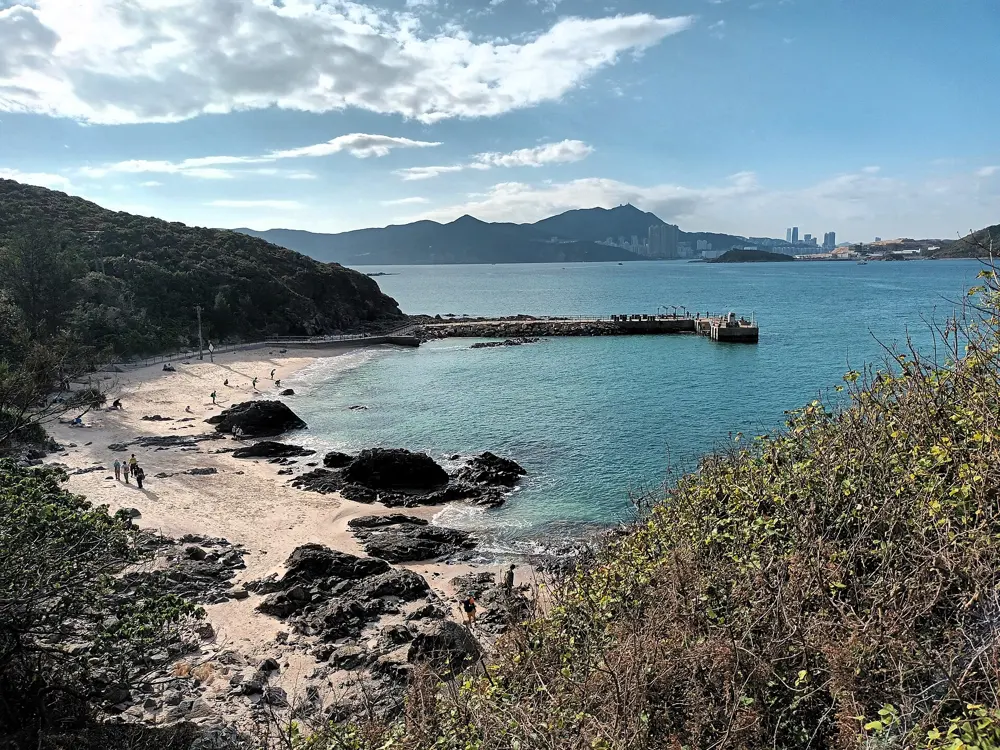
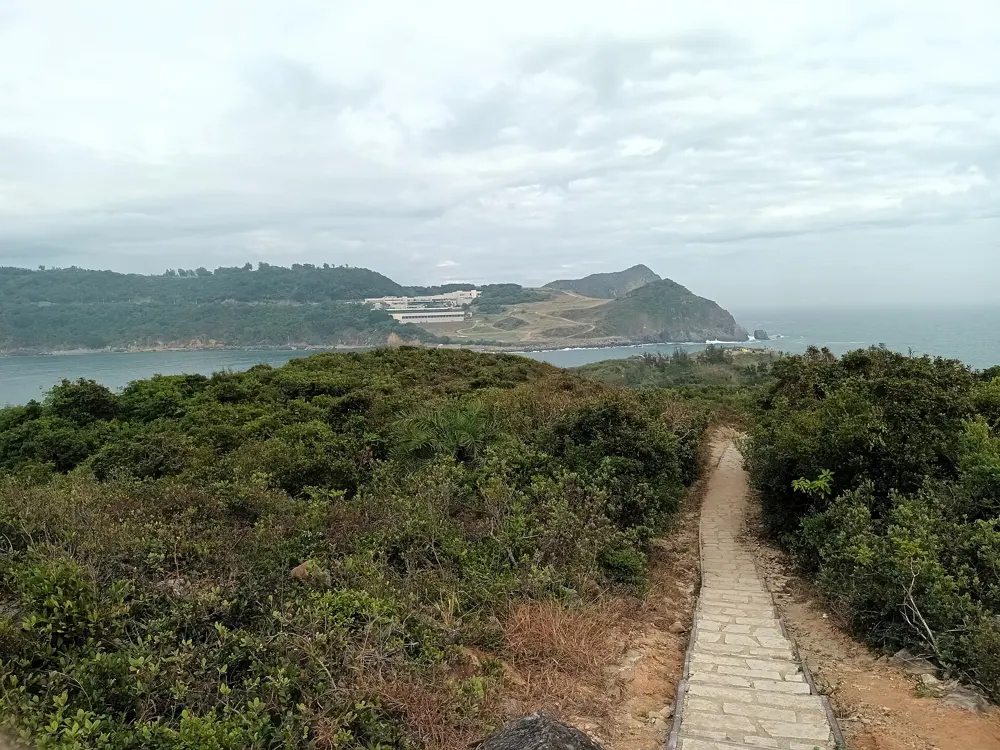
The rocky east coast of Tung Lung Chau and the open sea below green headlands

Photos: Underwaterbuffalo (CC BY-SA 4.0), Jonashtand (CC BY-SA 4.0), Underwaterbuffalo (CC BY-SA 4.0), Underwaterbuffalo (CC BY-SA 4.0)

Rock
Volcanic sea cliffs
Style
Sport, with trad at Tathong Point
Grades
F4 to F8b
Island
2.42 km²

Why go

Tung Lung Chau is a small, largely uninhabited island off the tip of the Clear Water Bay Peninsula, and it has some of the best sport climbing in Hong Kong. Local climbers call its Technical Wall the city's sport climbing showpiece. The climbing is on sea cliffs above open water, with a camping ground, a 300 year old fort and the largest ancient rock carving in Hong Kong on the same walk. It is a short ferry ride from the city.

The route

The north side has the crags most people come for: Technical Wall, Sea Gully, Central Slab, The Far Side, Big Wall and Kite Rock. On Technical Wall, Small Roof (F6a+), The Corner (F6c+) and Dimple Face (F7b+) are local classics, and Todd Skinner left a route there too. Epiphany (F7c+) climbs a technical wall at the end of the Terrace in Sea Gully. Call of the Wild (F7a+) traverses the lip of a cave on Big Wall and is committing: if you fall off, you climb or swim out. On the south side, Tathong Point is kept as a trad area, with bolts only at anchors and abseil stations.
When to go

October to January is the best time, with temperatures in the low to mid 20s °C and humidity around 60 to 70 percent. From May to September it is often above 30 °C with 80 to 100 percent humidity; the sea breeze on the island helps. January to March can be cool enough for a light down jacket.

Getting there

Ferries run on weekends and most public holidays from Sam Ka Tsuen, near Lei Yue Mun in Kowloon, and from the typhoon shelter at Sai Wan Ho on Hong Kong Island. The Sam Ka Tsuen boat takes about 30 minutes and cost HK$45 return in May 2020. On weekdays you can usually hire a sampan for up to four people at Sai Wan Ho. For the northern crags get off at the second pier and follow the path towards Tung Lung Fort; Tathong Point is a 30 to 40 minute walk from the first pier.

Permits and booking

No climbing permit is needed. Keep bolted climbing to the north side and leave Tathong Point as trad, as local climbers ask. The fort and the rock carving are declared monuments.

How hard it is

Grades cover nearly every level, from F4 to F8b. Almost all the climbing is bolted, and 10 to 12 quickdraws with a 50 to 60 m rope covers most routes. Technical Wall is very busy on Sundays and public holidays, so climb elsewhere on the island on those days.

Where to sleep

There is a camping ground in the Tung Lung Fort Special Area, on the path to the northern crags. Otherwise stay near an MTR station on the north of Hong Kong Island, between Sheung Wan and North Point, or in Kowloon between Tsim Sha Tsui and Prince Edward.

Tips

  • Ferry times change, so check the current timetable before you go.
  • Climbers often gather on the 10:30 boat on Saturdays and the 11:00 boat on Sundays, which is a good way to find a partner.
04 / 10

Mashan

Guling Town, Mashan County, Nanning, Guangxi

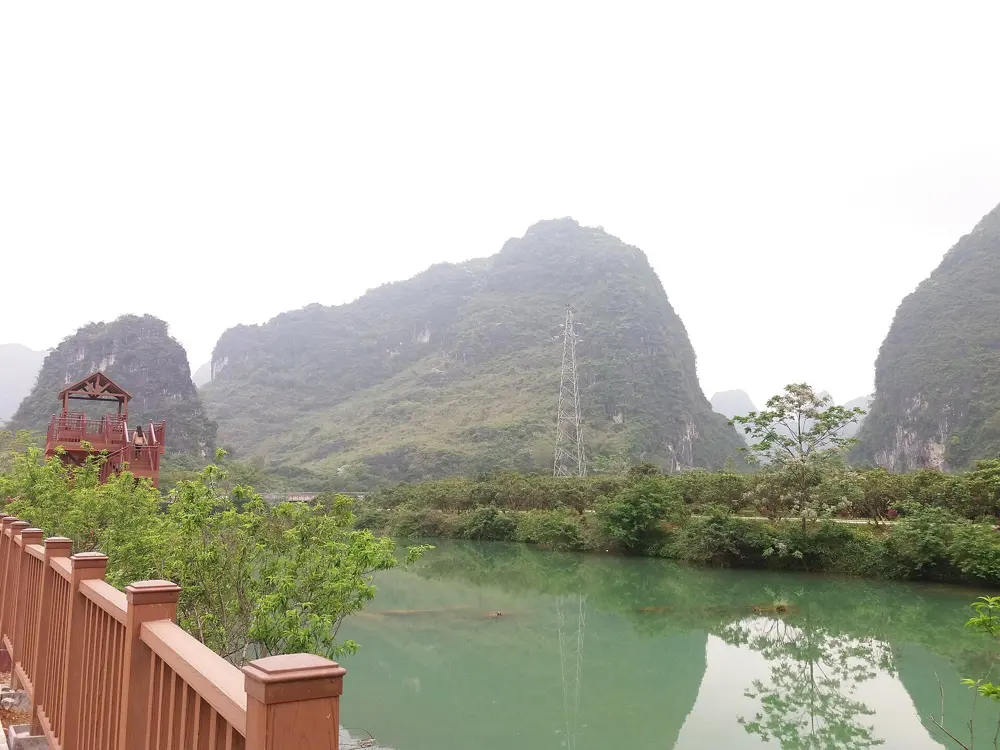
A limestone karst peak reflected in the green river at Xiaodubai, near the Sanjia climbing village in Mashan

Photos: 雷电剑雨 (CC BY-SA 4.0), 雷电剑雨 (CC BY-SA 4.0), 雷电剑雨 (CC BY-SA 4.0), 雷电剑雨 (CC BY-SA 4.0)

Rock
Limestone karst
Style
Sport, single and multi-pitch
Routes
More than 500
Wall height
Average 35 m, up to 112 m

Why go

Mashan is the new climbing town of southern China. The karst of the Dashi range crosses the east of Mashan County, north of Nanning, and since 2017 the county has built a climbing village at Sanjia around it. By 2021 the Beijing Review counted 553 equipped routes on 22 rock faces, two via ferratas, an 800 square metre climbing gym and a camping ground for motor homes, and the area had hosted a dozen national and international events with more than 10,000 participants. theCrag lists 545 routes from 5.5 to 5.14c. Five of the twelve women in the final of the 2020 national natural rock elite challenge were from Mashan.

The route

Jin Gang Shan, a tall north west facing cliff, is the crown jewel, and its Climbing School (13b) is one of the routes visitors photograph. Lion Cave (Hou Zi Dong) is about 10 km away and needs a car; Machine Gun Funk is its best known line. theCrag also lists Gan Niang Shan, Half Hill and Champagne Hill. The climbing is mostly technical face climbing on good limestone, with horizontal tufas and a number of multi-pitch routes. Many crags are within walking distance of Sanjia.

When to go

Winter. Mashan is far enough south that the rest of the year is too hot, according to Mountain Project, while a December visit brought cool nights and comfortable days for belaying.

Getting there

Fly or take the train to Nanning, then arrange a car to Sanjia; Mountain Project gives about 400 yuan one way. One climber puts the drive at about an hour and a half from Nanning East high speed station and two hours from the airport. Buses also run from Nanning to Guling.

Permits and booking

Mountain Project mentions no permit or fee for the crags. A local route developer who speaks English can help with transport and advice, and WeChat is the main way to reach people.

How hard it is

Grades run from 5.5 to 5.14c, with routes at every level. Routes are often 20 m or more and there are quite a few multi-pitch lines, so a 70 m rope is recommended, and the multi-pitch routes need belaying and retreat skills. Development began in 2017, so some routes are still sharp and unpolished.

Where to sleep

Stay in Sanjia itself, which has several places to sleep and eat and puts many crags in walking distance. Mountain Project names the Huan Ya Na hotel and the restaurant next to it. The nearest large grocery store is about 10 km north in Mashan town.

Tips

  • Some Mandarin helps a lot here: facilities for Western visitors are still limited.
  • Order dinner or a barbecue ahead at the Gu La Shan restaurant near the village's east entrance.
05 / 10

Siguniang and the Shuangqiao Valley

Xiaojin County, Aba, Sichuan

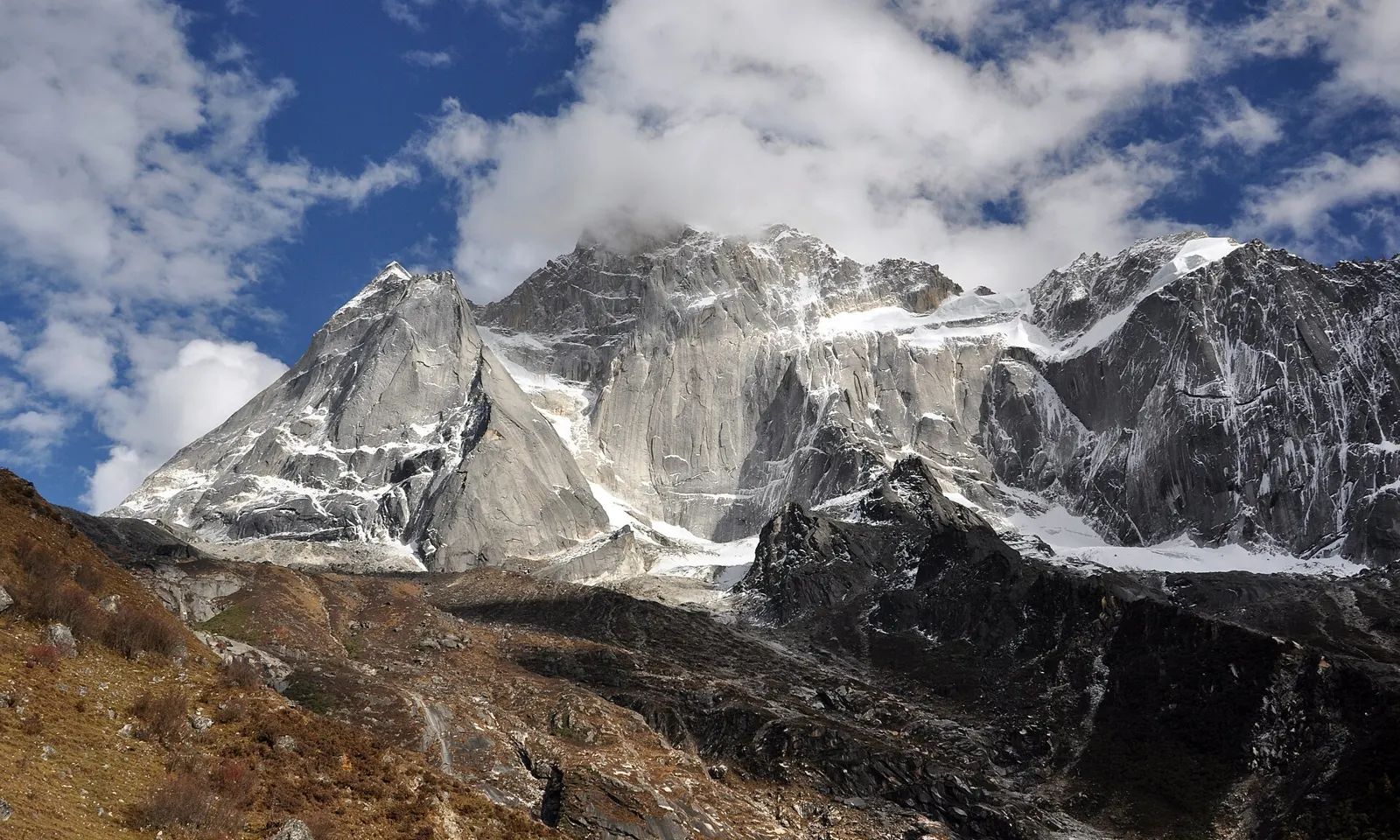
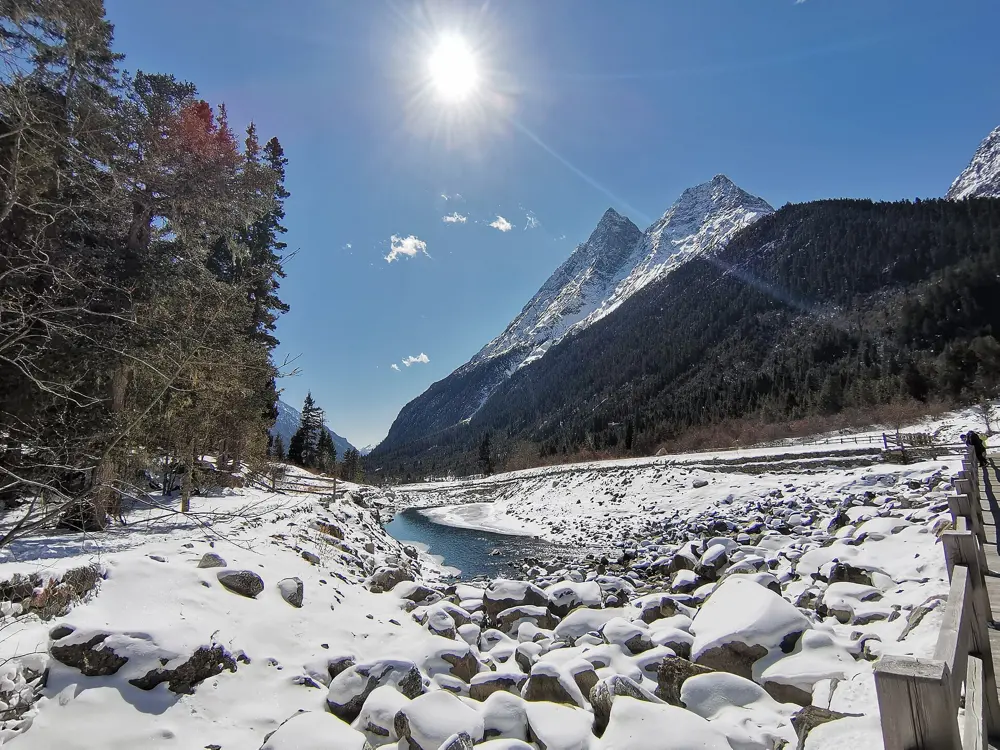
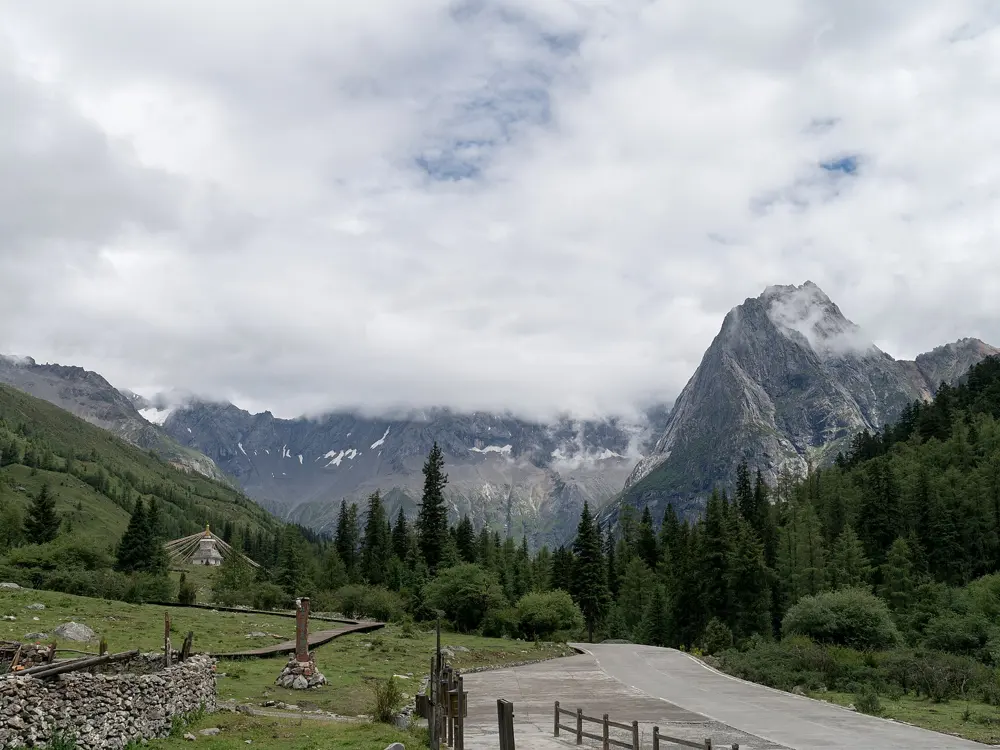
The granite north face of Yaomei Feng (Mount Siguniang) above a rocky ridge

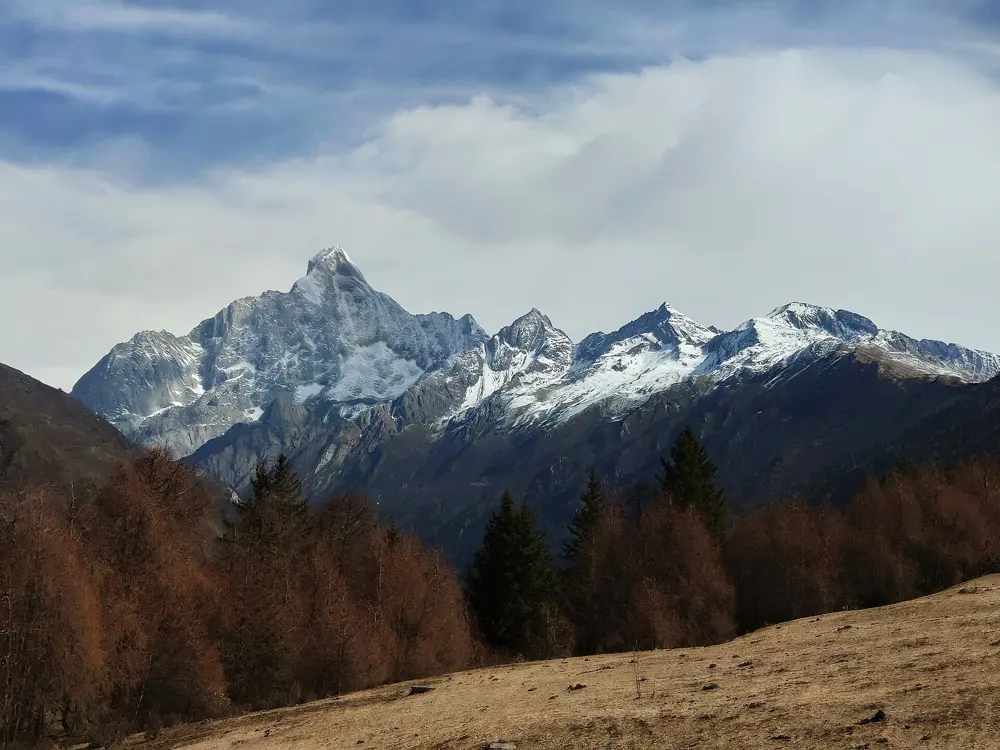
Photos: Kogo (CC BY-SA 3.0 de), Johannes Böckh (CC BY-SA 3.0), Polyphys (CC BY-SA 4.0), George N (CC BY 2.0)

Rock
Granite
Style
Alpine rock and big wall climbing
Peaks
Granite summits of 5,300 to 5,900 m
Season
Spring and autumn

Why go

Siguniang is where Chinese rock climbing goes big. In the Qionglai Mountains of western Sichuan, granite peaks of 5,300 to 5,900 m ring the Changping and Shuangqiao valleys, and Mount Siguniang itself is officially 6,250 m. The American Alpine Journal describes a granite plug running from Siguniang and Celestial Peak in the south to the north end of the range, with walls in both valleys. It is only about 200 km from Chengdu, a road runs up the Shuangqiao Valley, and the park has had its own outdoor management centre since 2008.

The route

The Changping Valley has Celestial Peak, a pyramid of granite first climbed in 1983, on its west side and Siguniang on its east, and it is full of walls further north. In 2008 a team climbed the south west ridge of Siguniang in 72 pitches, with free climbing to 5.11, aid to A2, ice to AI3+ and mixed to M5. The Shuangqiao Valley, to the west, is also lined with walls. Not everything is a major undertaking: Grand Theft Oreo, climbed in 1997 on a rock peak south west of Celestial Peak, is ten pitches of 5.9.

When to go

Spring and autumn are the best seasons for free climbing; July and August are the rainy season. From mid or late December to early or mid February the Shuangqiao Valley turns into an ice climbing venue instead.

Getting there

Siguniang is about 200 km west of Chengdu, roughly a four hour drive. Buses run from Chengdu's Chadianzi station to Rilong (Siguniangshan Town), taking about four to five hours. Tourist buses run up the Shuangqiao Valley every day.

Permits and booking

Climbing here needs permits. A 2014 report set out the steps: a mountaineering permit from the provincial mountaineering association, then an outdoor activity permit and risk notice from the scenic area's management bureau, and a real name entry ticket; peaks not open to climbing cannot be permitted. Permits in Shuangqiao are usually arranged through a company or guide at the Siguniang Outdoor Office in Rilong, open 9:00 to 16:00; Sichuan Travel Guide lists the 2026 climbing permit for the valley at 1,200 yuan a person a day. The reserve can close: from 25 February 2024 it suspended all outdoor activity, rock climbing included, with no fixed reopening date. Check the current status before you travel.

How hard it is

This is serious alpine climbing at altitude. One expedition in 2000 lost almost its whole trip to rain and snow storms. Siguniang town sits at about 3,200 m and the Shuangqiao icefalls at 3,300 to 3,650 m, so plan time to acclimatise.

Where to sleep

Rilong, at the foot of the mountains, is the base town. In the Shuangqiao Valley there are lodges inside the valley that serve meals but have no shops.

Tips

  • Permit rules and fees here change often, so confirm them with the outdoor management centre or a licensed local company well before you go.
  • Bring snacks into the Shuangqiao Valley: the lodges serve meals but there are no shops.
06 / 10

Baihe (White River)

Miyun District, Beijing

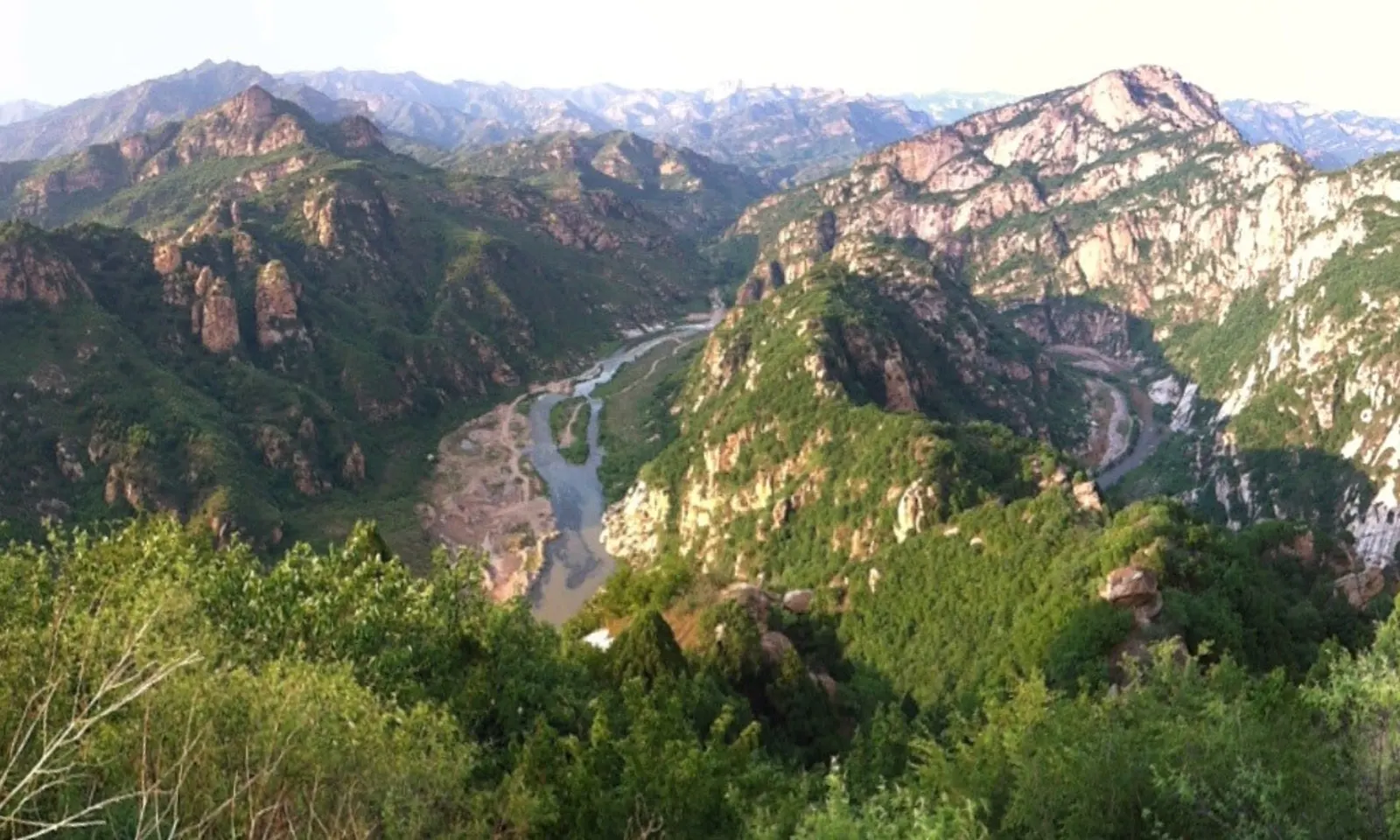
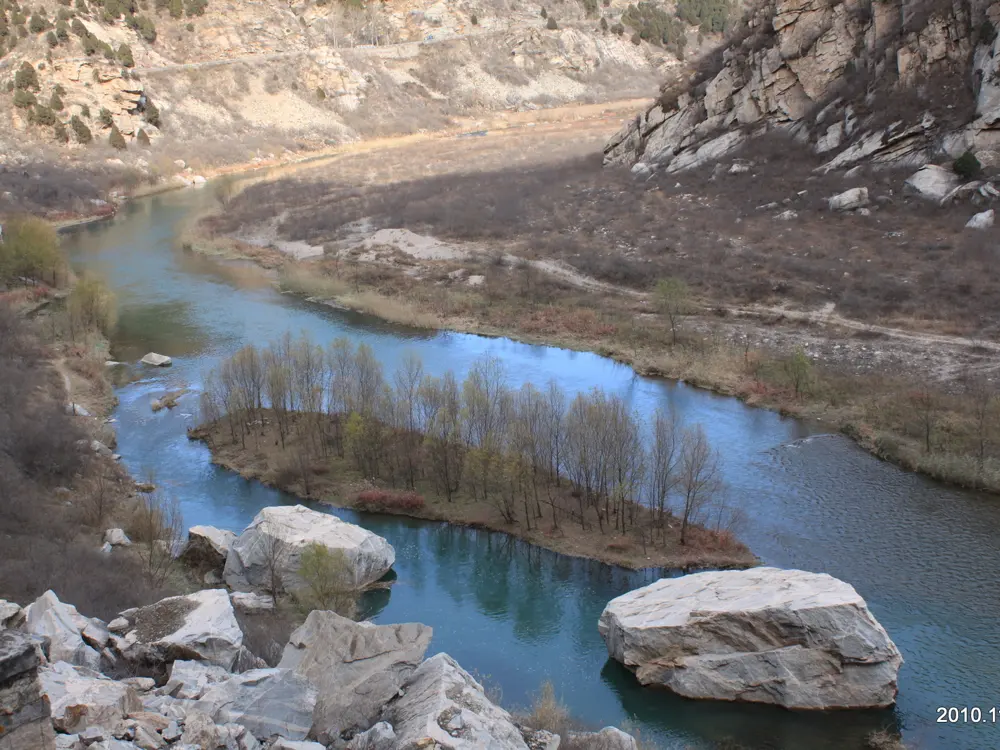
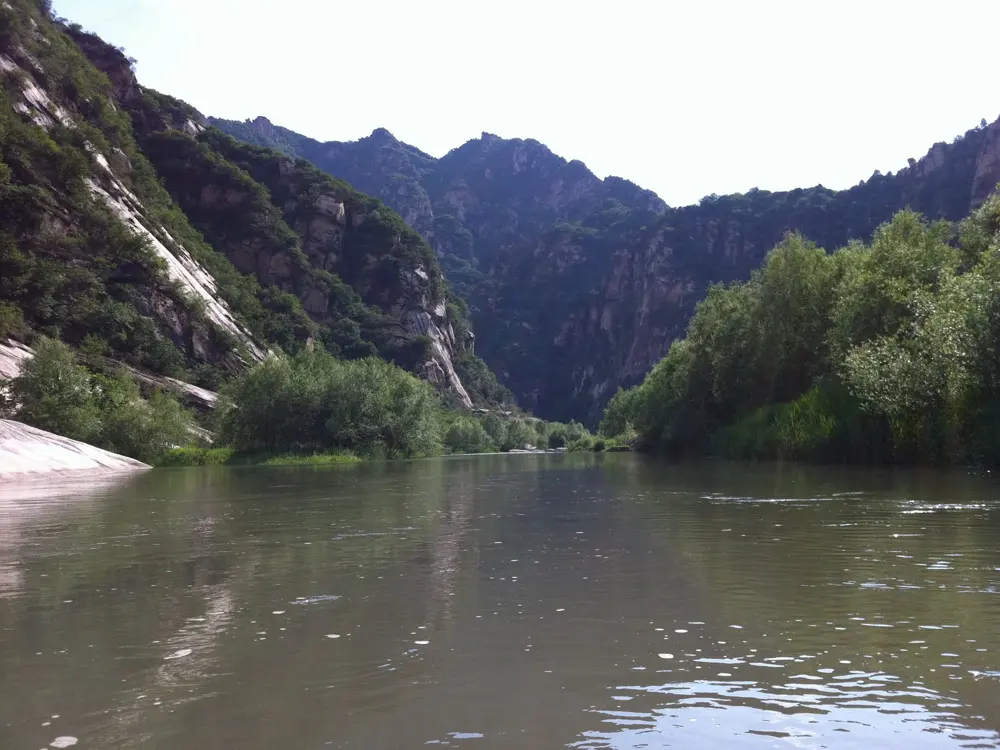
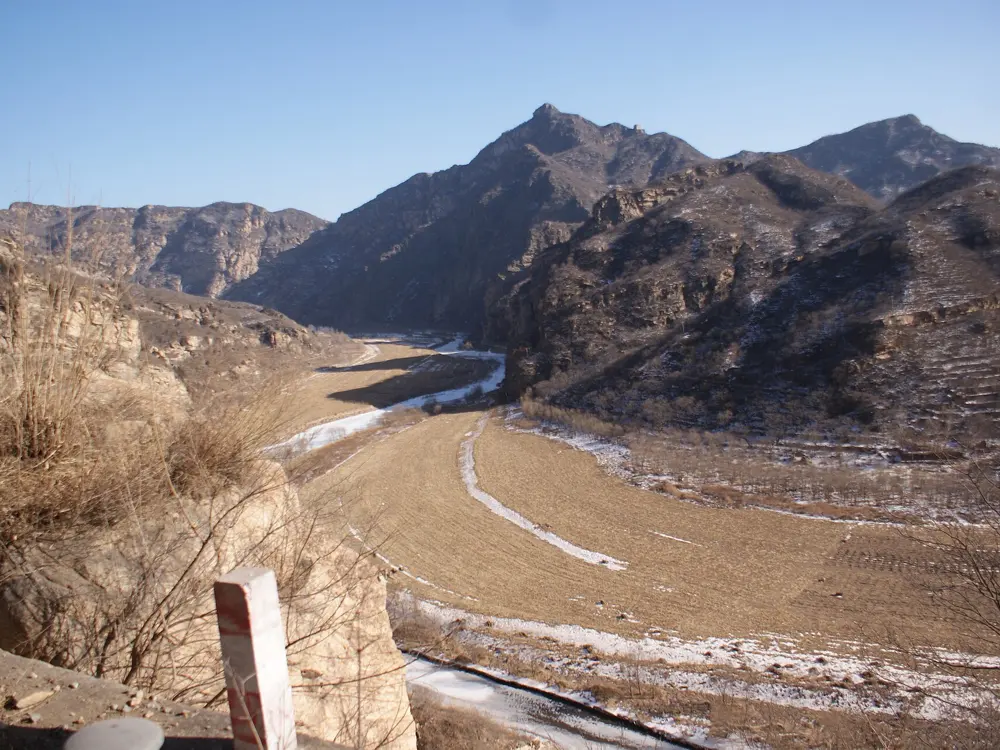
The White River winding through a deep granite valley in Miyun, north of Beijing

Photos: 陈文 (CC BY 3.0), Tiger@西北 (CC BY-SA 3.0), 陈文 (CC BY 3.0), MJZ007 (CC BY-SA 3.0)

Rock
Granite
Style
Sport, some multi-pitch and bouldering
Routes
More than 100, 5.7 to 5.13
Distance
About 110 km from Beijing

Why go

Baihe, the White River valley in Miyun, is where Beijing climbs. The river cuts a gorge through steep granite north of the city, and local climbers have bolted crags on both sides of it. ChinaTravel counts more than a hundred routes from 5.7 to 5.13 around Jiangjiafen village, and UKClimbing puts the total at a few hundred, from 5.5 to 5.14. There is multi-pitch too: Gossip Climbers is a nine pitch 5.10c. It is the obvious summer choice for anyone in north China, and after a day on the rock you can swim in the river.

The route

Most routes sit around Jiangjiafen village, spread over more than ten crags. The Secret Garden is mostly sport climbing, with an approach of 10 to 15 minutes up from Goukou. Gossip Climbers is the best known long route. There are also boulders, and in winter the valley's frozen falls are climbed as ice.

When to go

Summer and early autumn. From November to May is the fire prevention season, when wardens guard the crags outside the scenic areas and no one is allowed in, according to local climbers on theCrag. Nearby Yumeng Gorge is listed as climbable from April to October.

Getting there

Take bus 980 from Dongzhimen long distance bus station to Miyun Gulou, then a car to Jiangjiafen village. The crags are about 110 km from the city. Some crags are hard to find if you do not speak Chinese.

Permits and booking

Access is not settled. Since March 2019 the government has closed some crags along the river banks to protect Beijing's water supply, and climbing is not always permitted elsewhere. Ask Beijing climbers or the village guesthouses which crags are open before you go. Fires need a permit, and you should leave room for locals and farm machinery and keep noise and litter down.

How hard it is

Grades run from easy to hard sport, with a nine pitch 5.10c for those who want length. There is no official guidebook, and the online topos have not been updated since 2009, so you will need local beta.

Where to sleep

Village guesthouses are where climbers stay. A climbers' guesthouse has been reported with beds from 15 yuan and good food, though that price is old.

Tips

  • Check which crags are open with Beijing climbers before you leave the city: closures change.
  • Bring a swimsuit for the river after climbing.
07 / 10

Lion Rock

Lion Rock Country Park, Kowloon, Hong Kong

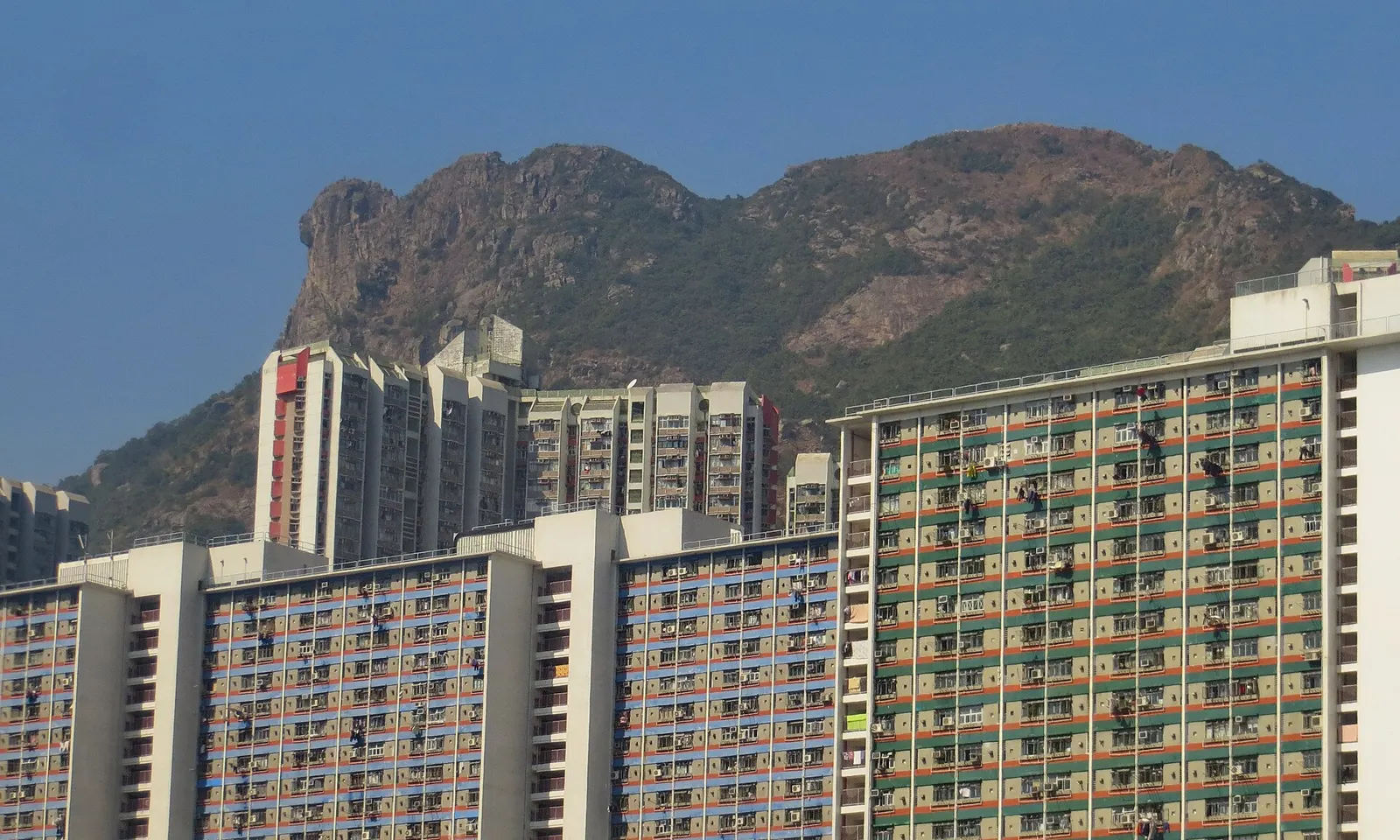
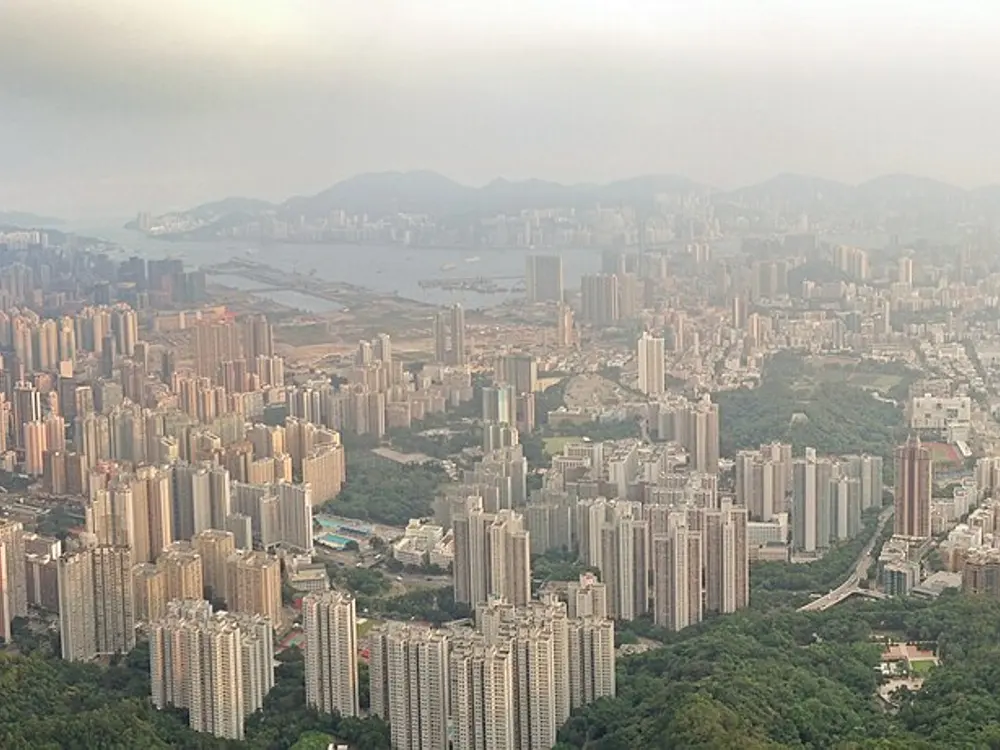
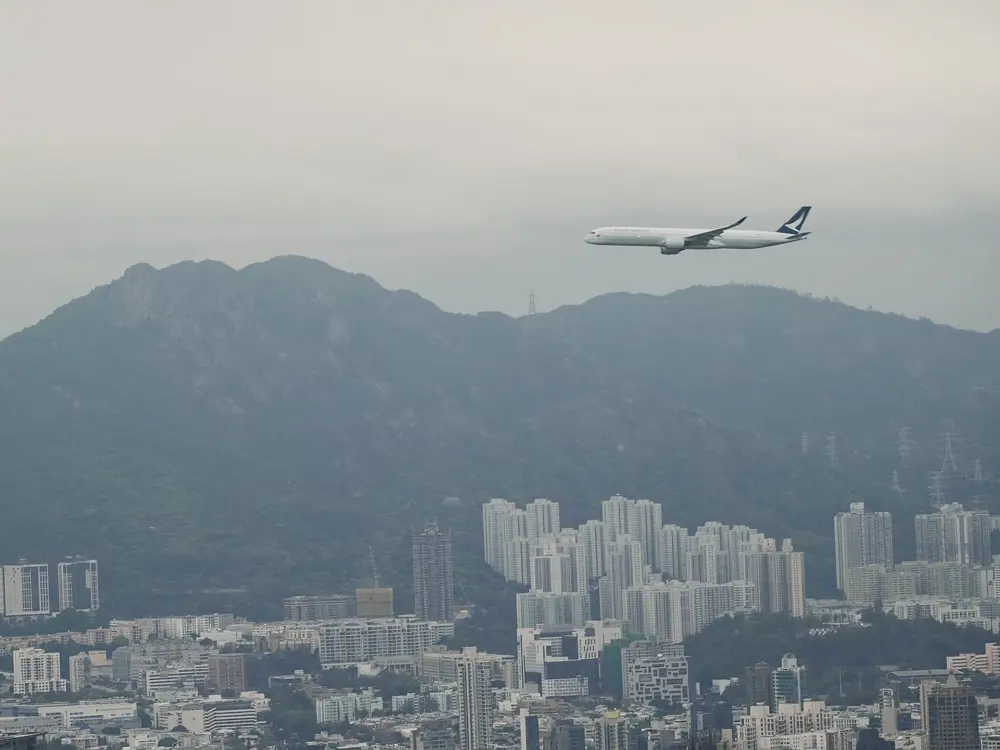
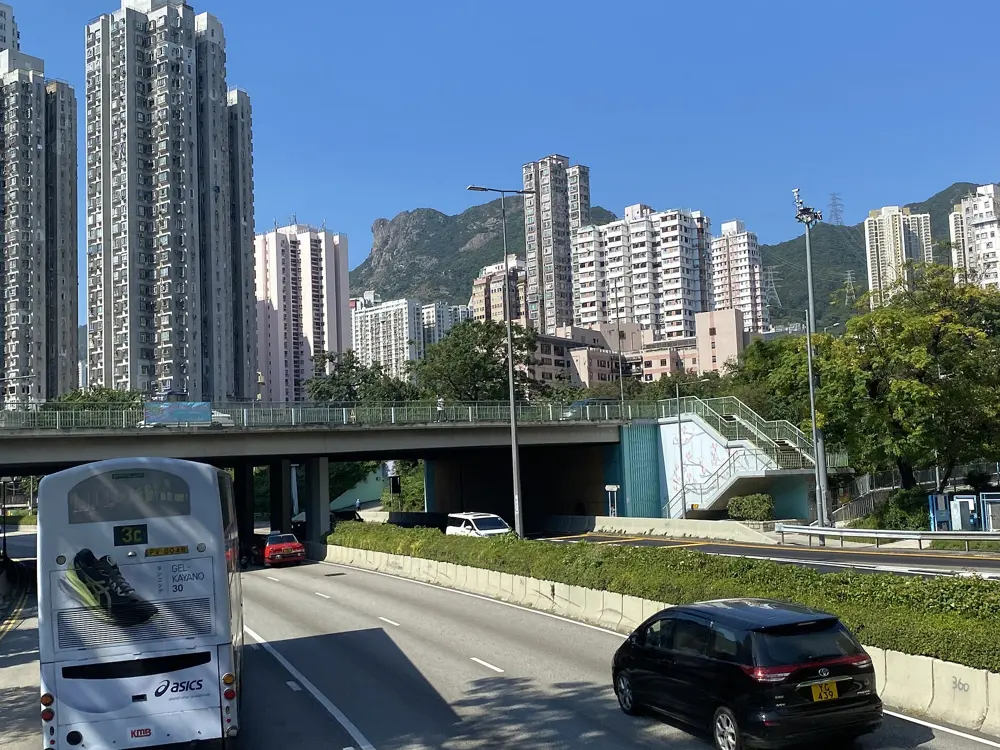
The lion shaped granite crag of Lion Rock above the high rise blocks of Kowloon

Photos: Mk2010 (CC BY-SA 3.0), Fredlyfish4 (CC BY-SA 3.0), British Hker (CC BY 4.0), LN9267 (CC BY-SA 4.0)

Rock
Granite
Style
Multi-pitch, bolted and trad
Cliff
Up to about 76 m
Summit
495 m

Why go

Lion Rock is the granite head of a lion looking down on Kowloon, and its cliffs are Hong Kong's mountain crag. The 495 m peak lies in Lion Rock Country Park between Kowloon Tong and Tai Wai, made of Kowloon granite about 140 million years old. The cliff is about 76 m at its tallest, and most routes are two or three pitches, so you get real multi-pitch climbing with the city spread out below. Chris Bonington has called it his favourite climb in Hong Kong.

The route

The climbing is on the East Face, the West Face and Hind Paw Buttress. Austrian Staircase (F6a) on the East Face starts up a steep sickle shaped flake and finishes on technical grooves and cracks. Wards Groove (F6b) is a classic multi-pitch that needs trad skills, with an awkward third pitch. Tigger has a hard first pitch (F7a+) and a sustained face pitch of about 30 m (F6b+). Last Round Last Minute (F8a+) is the hard test. Gweilo needs up to 20 quickdraws and some slings.

When to go

October to January, when it is in the low to mid 20s °C with lower humidity. Summer brings temperatures over 30 °C and heavy humidity. The two faces get sun and shade at different times of day.

Getting there

From Kowloon, take the MTR to Lok Fu and a taxi to Lion Rock Country Park at Sze Tse San, then walk up the upper right path to the ridge and a small dirt path to the cliff, about 40 minutes. From Sha Tin, take a taxi to the Mong Fu Shek barbecue site and walk up the ridge, about 45 minutes.

Permits and booking

No permit is needed. After protest banners were hung from the cliff in 2014 and 2019, the government removed most bolts from the East Face, so most routes there now need trad gear, and the abseil stations at the top have gone. Local climbers ask that the trad lines are not retro bolted. The government lists the summit as one of 16 high risk locations for hikers.

How hard it is

Expect two or three pitches of mixed climbing: bolted routes with run out easy ground use French grades, and trad lines use British grades. You need to be comfortable placing gear on the East Face. With the top stations gone, you walk down the hiking trail; the paths have no lights.

Where to sleep

Stay in the city near an MTR station: in Kowloon between Tsim Sha Tsui and Prince Edward, or on the north side of Hong Kong Island.

Tips

  • Carry a headtorch: the trails off the peak are unlit and fully dark in the evening.
  • Take water and proper shoes: parts of the trail are rocky and unfenced.
08 / 10

Fumin Gorge and the Kunming crags

Kunming, Yunnan

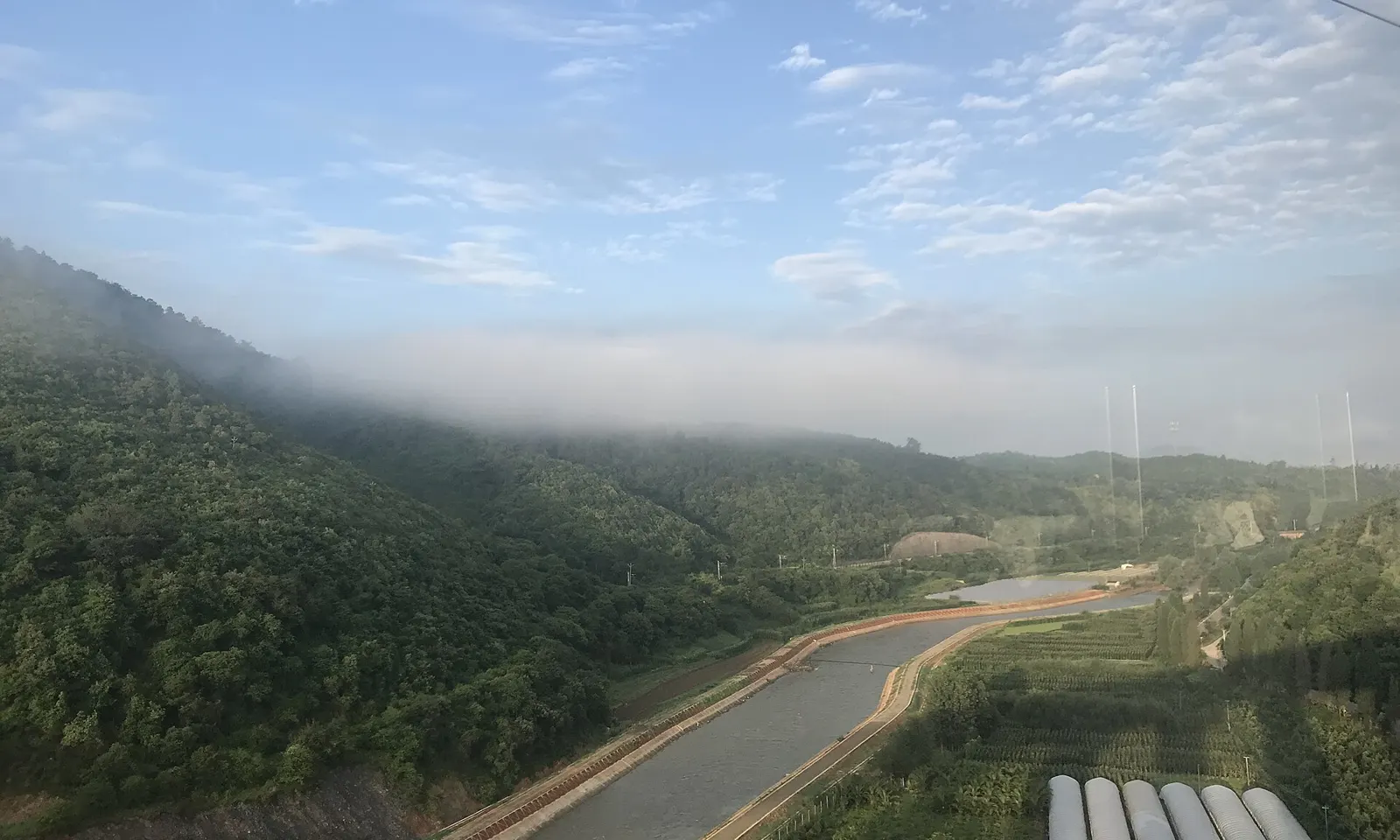
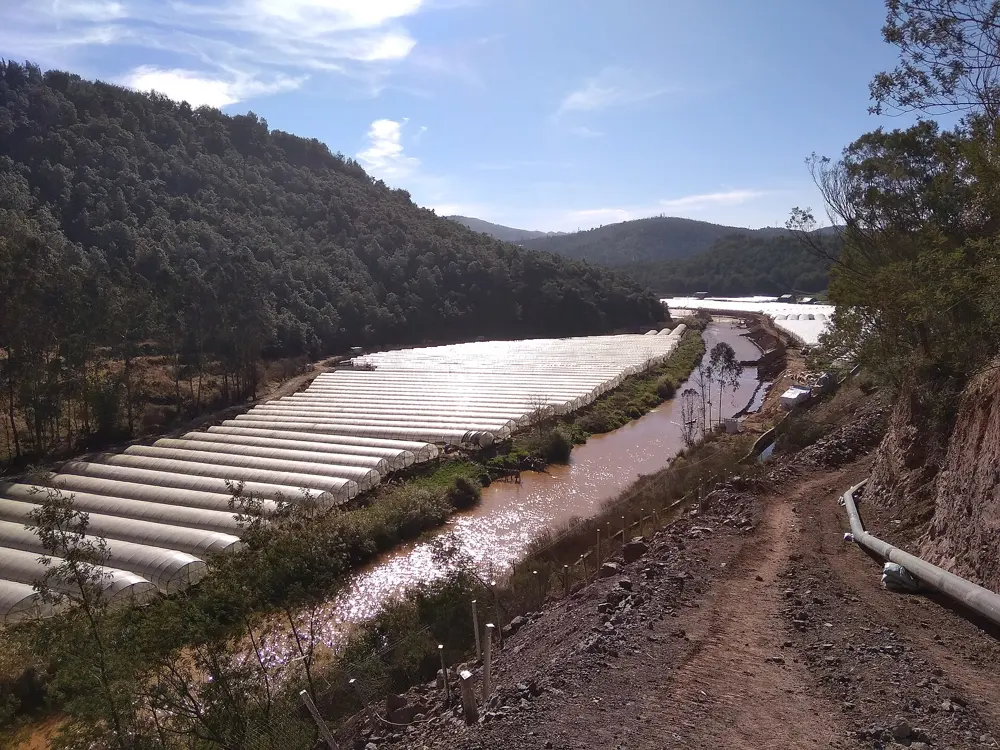
The Tanglang River valley at Wenquan in Anning, on the river that runs north to the Fumin crags

Photos: MNXANL (CC BY-SA 4.0), Zhangmoon618 (CC BY-SA 4.0), User:Vmenkov (CC BY-SA 3.0), User:Vmenkov (CC BY-SA 3.0)

Rock
Limestone
Style
Sport, some multi-pitch
Routes
About 200 on nearly 30 crags
Distance
About 45 minutes' drive from Kunming

Why go

Kunming has a mild climate and a lot of good limestone. GoKunming counts nearly 30 crags with about 200 routes within a 45 minute drive of the city. The oldest and best known is Fumin Gorge, where red limestone cliffs rise above the Tanglang River a few kilometres south of Fumin town: ChinaTravel lists about 100 routes there from 5.8 to 5.13. Around it are newer crags with harder climbing, so a few days in Kunming can take you from easy slabs to steep caves.

The route

Fumin has about ten crags along the river. Weeping Wall has overhanging tufas, and on the north west side a five pitch 5.10 is the longest route. Xiaomoyu Cave is the place most visitors want: routes inside the cave run from 5.10b to 5.13d and are 10 to 25 m long, and Million Ma (5.10d) is the classic. The Gash, a big escarpment between Kunming and Fumin, has 13 long climbs from 5.10 to 5.12a, including Fool's Errand (5.11c), and a Chinese team added 44 new routes there in spring 2018. Swallow Cave is a newer overhanging wall with routes up to 5.13c.

When to go

Kunming's mild weather allows climbing most of the year. In the June to August rainy season Xiaomoyu Cave stays relatively dry; it faces north and can be chilly, so bring a long sleeved top even in summer.

Getting there

By car, take the G108 towards Fumin, head south on Liyang Lu along the river for about 3 km, then turn left over a small bridge; you can also come in from Anning in the south. Buses to Fumin leave Kunming's Northwest Station every 10 minutes from 7:10 to 20:30. Xiaomoyu Cave is about five minutes' drive north west of the Bamboo Temple.

Permits and booking

No permit is needed at the crags described here, but the Xishan crags in the Western Hills are off limits to climbing.

How hard it is

Fumin suits beginners, with shallow routes, and also has newer, harder lines. Many crags are new, so wear a helmet and watch for loose rock. All bolted routes are climbed at your own risk.

Where to sleep

Most climbers stay in Kunming and drive out for the day, since every crag here is within about 45 minutes of the city.

Tips

  • Kunming Rock and Panda Climb publish directions and topos online, and the Climb China guidebook covers Fumin Canyon.
  • On rainy days, head for Xiaomoyu Cave or one of the climbing gyms in town.
09 / 10

Shuanglang and the Dali crags

Dali, Yunnan

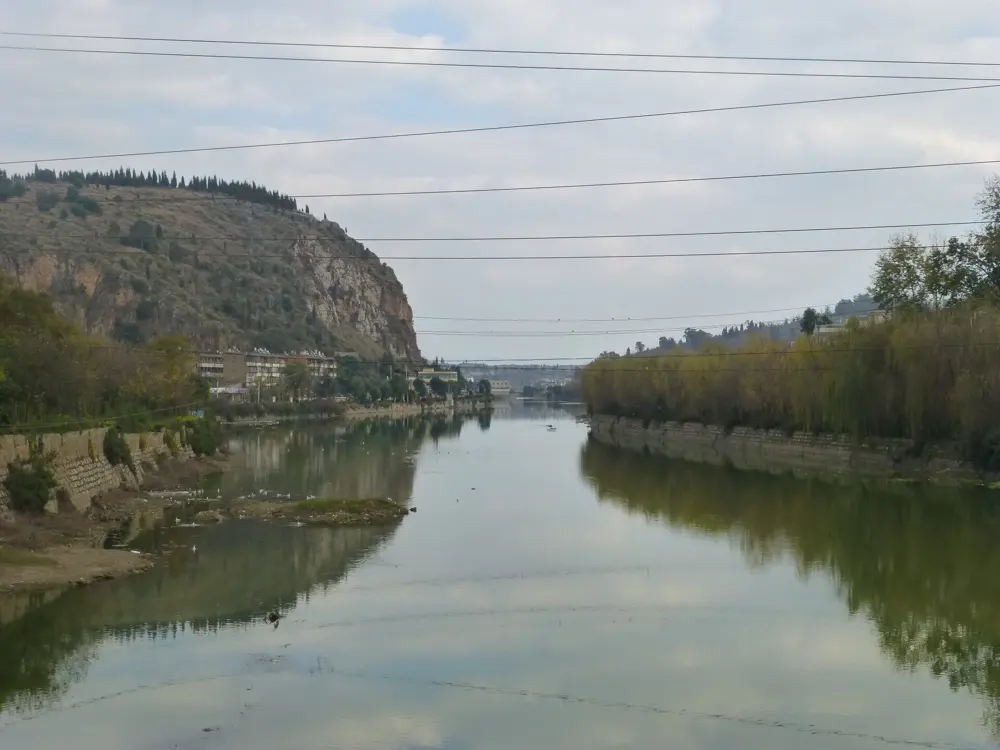
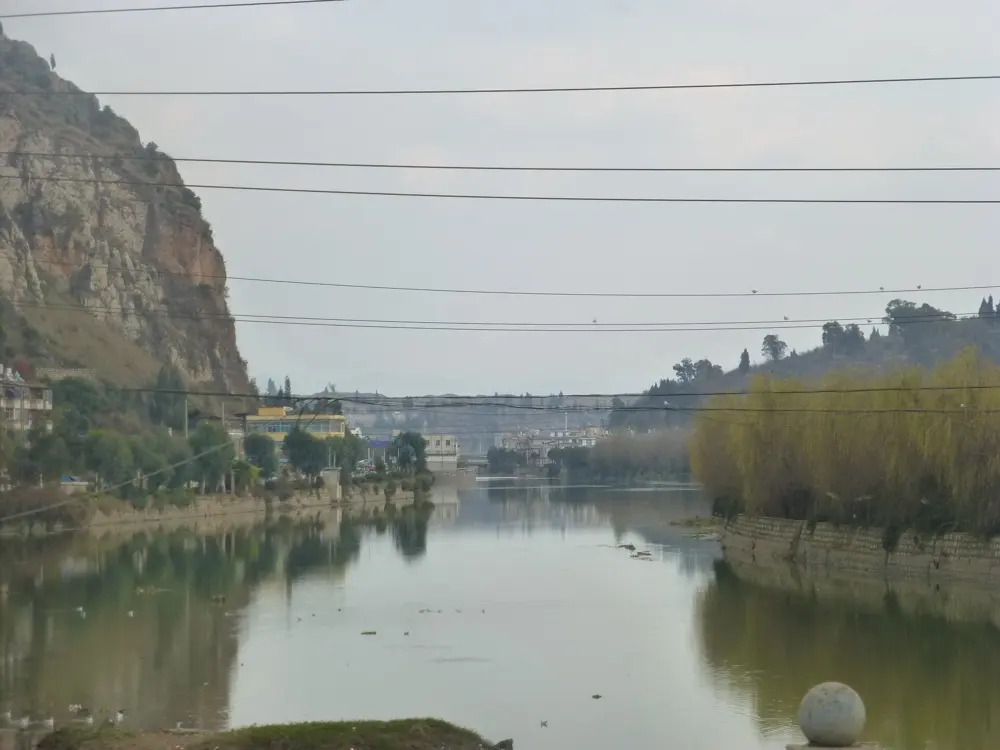
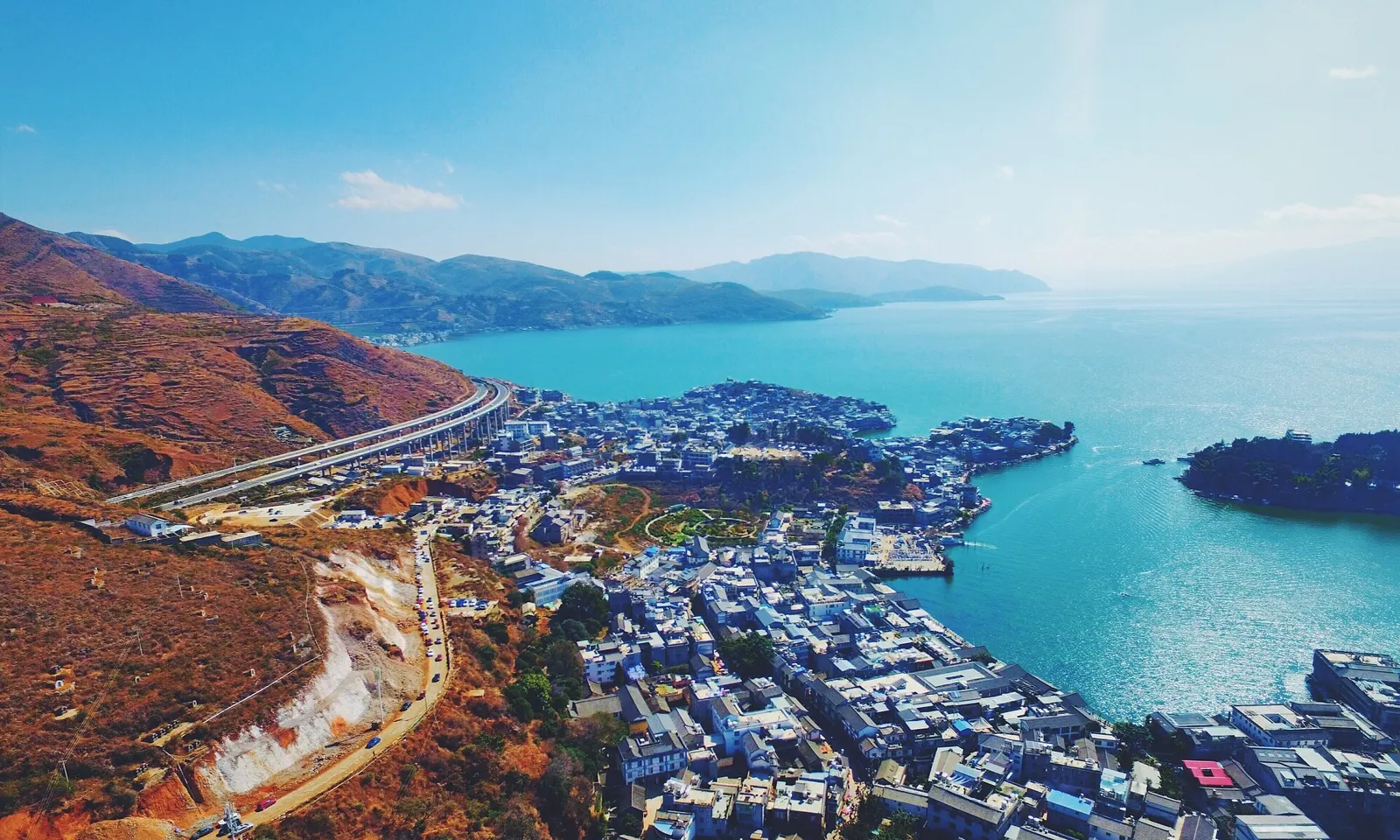
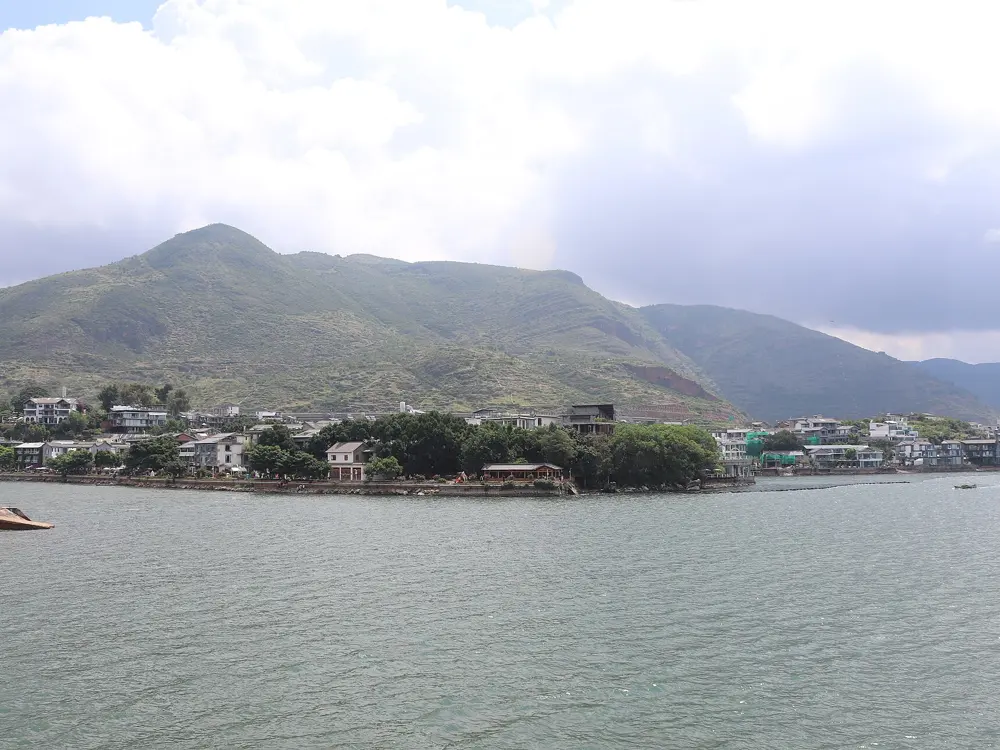
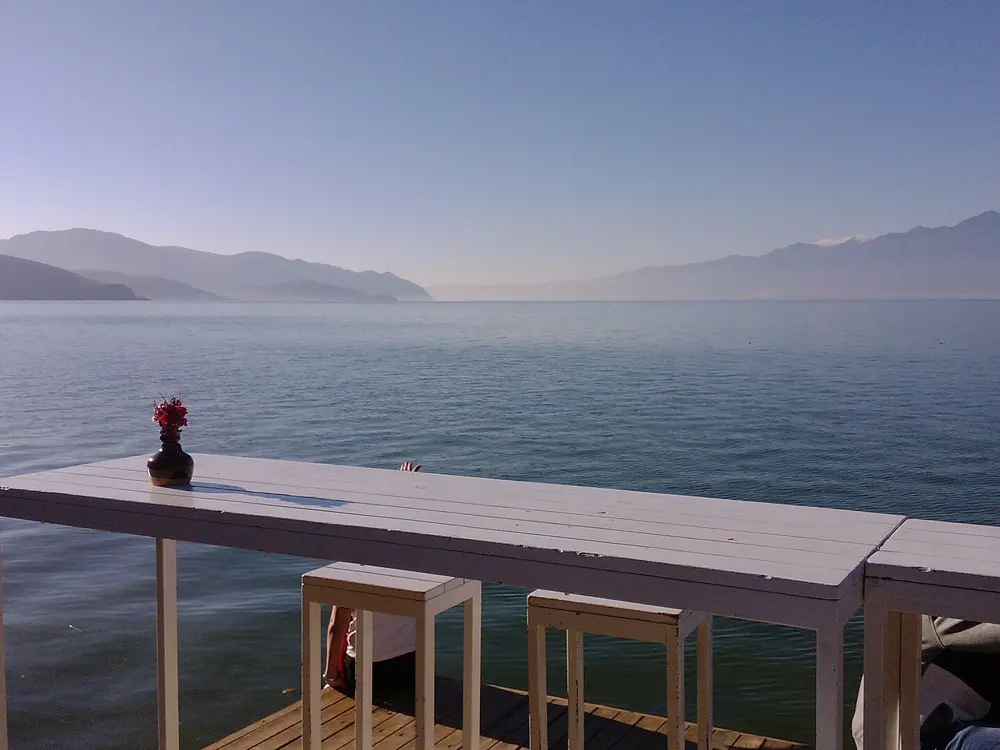
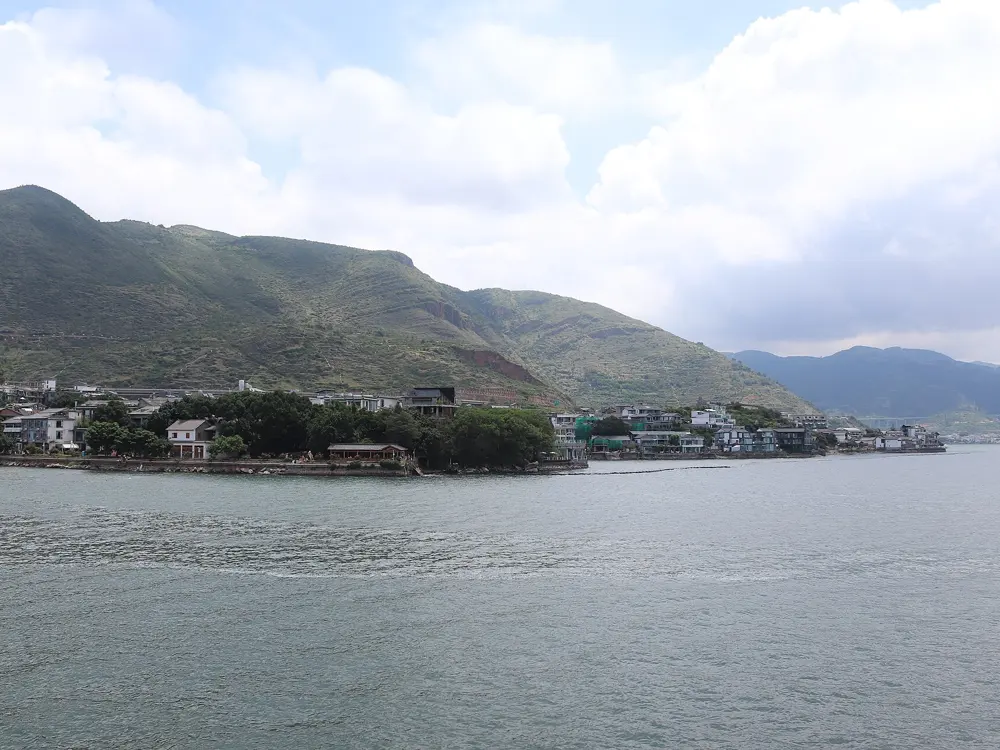
Shuanglang town on the east shore of Erhai Lake, with hills rising behind the village

Photos: Zhouqiyang (CC0), Liuxingy (CC BY-SA 4.0), Zhangmoon618 (CC BY-SA 3.0), Liuxingy (CC BY-SA 4.0)

Rock
Limestone
Style
Sport, plus bouldering
Routes
48 at Shuanglang
Season
Winter is best

Why go

Shuanglang is sport climbing above a lake. A series of limestone cliffs steps down towards Erhai Lake on its east shore, an hour's drive from Dali old town. ClimbDali, founded in 2008, put up the first six routes that December, and Mountain Project now lists 48 at Shuanglang. Add the shady Guanyin Temple crag and a bouldering spot near the old town and Dali makes a relaxed climbing trip.

The route

Shuanglang's routes range from slightly to very overhanging, with good features and some tufas. The Shuanglang Hard sector has about 20 sport routes and one trad line, graded 5.9 to 5.12d. Guanyin Temple, inside a Buddhist temple complex on the road to Jizu Shan, has eight sport routes from 5.8 to 5.12a under a large fig tree and is shady most of the day. Daliwood Bouldering is about 15 minutes' walk from the old town. The gneiss of Shimenguan Gorge, once a third sport area, is now permanently closed to climbing.

When to go

Winter is best, with sun nearly every day and mild temperatures. The rainy season, June to September, is still climbable because the rain comes between sunny spells and most cliffs dry within a few hours. Shuanglang faces west and is in the sun most of the day, so bring sunscreen and water.

Getting there

Buses run to Shuanglang from Xiaguan's North Bus Station or from the road between Dali and Lijiang; get off at Dajianpang village, just south of Shuanglang town. In 2014 a seven seat minivan cost 120 yuan one way or 180 yuan for a same day return. The approach is an unsigned horse path from across the main road, which can be hard to find.

Permits and booking

No access problems are reported for Shuanglang or Guanyin Temple. Shimenguan Gorge's 19 routes are permanently off limits, according to Yangbi County tourism officials in 2021.

How hard it is

Grades run from 5.7 to about 5.12d. Loose rock is still common, so test holds and wear a helmet. Bring at least 14 quickdraws and a 60 m rope, plus slings for anchors and a spare carabiner or maillon to leave if you need to back off.

Where to sleep

The Sky and Sea Lodge in Dajianpang, about 20 minutes' walk from the crag, helps climbers find the path; in 2014 beds were 30 yuan and private rooms 100 yuan, and it often fills, so book ahead. Dali old town has hostels and guesthouses.

Tips

  • Ask at the Sky and Sea Lodge for directions to the trailhead before your first visit.
  • Guanyin Temple has no guesthouses within walking distance; treat it as a day trip.
10 / 10

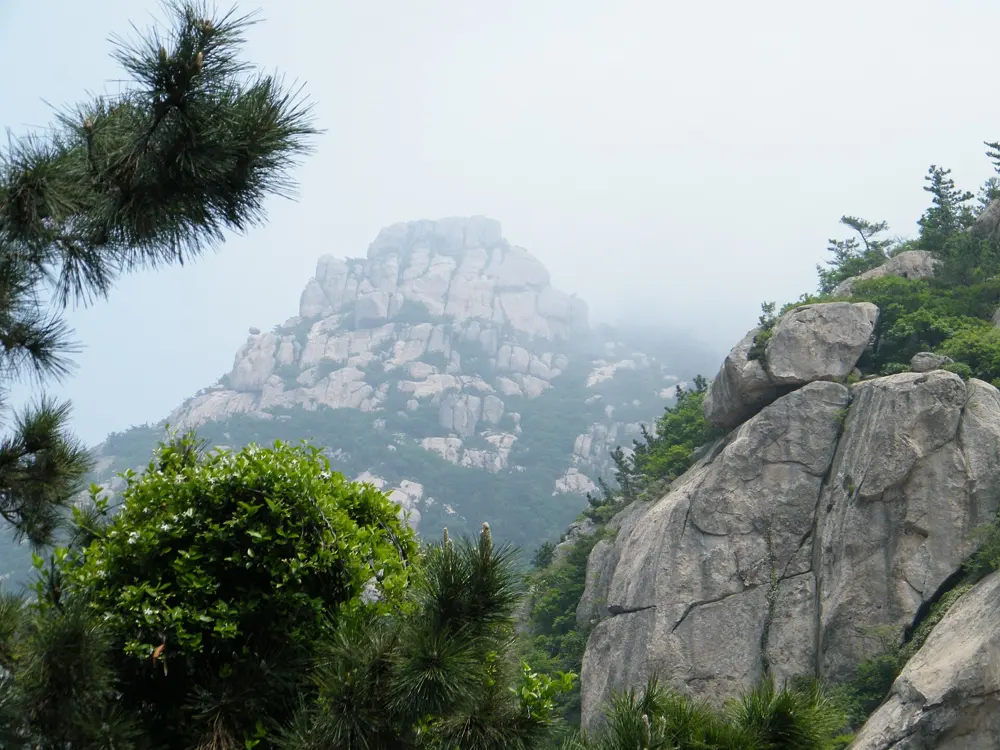
Laoshan

Laoshan District, Qingdao, Shandong

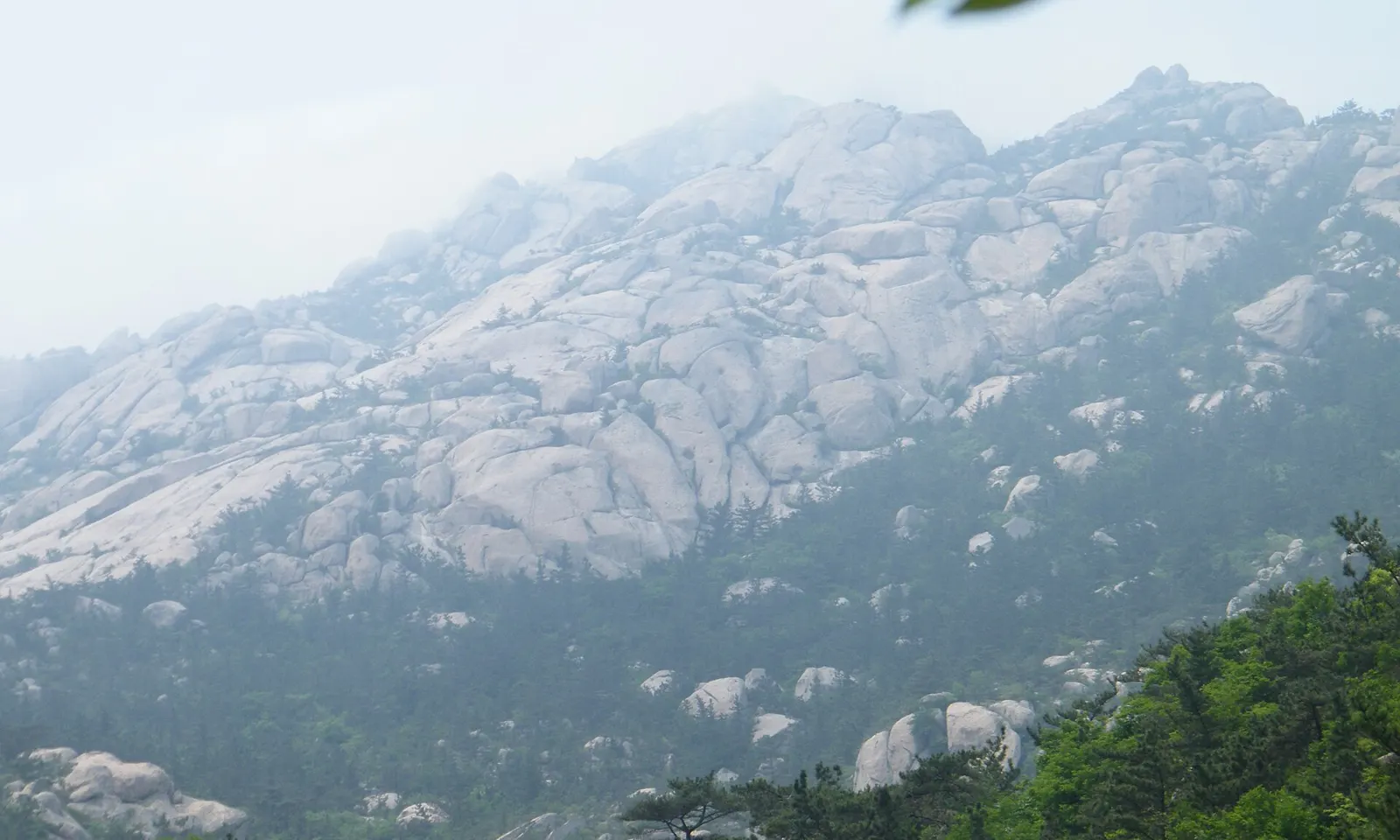
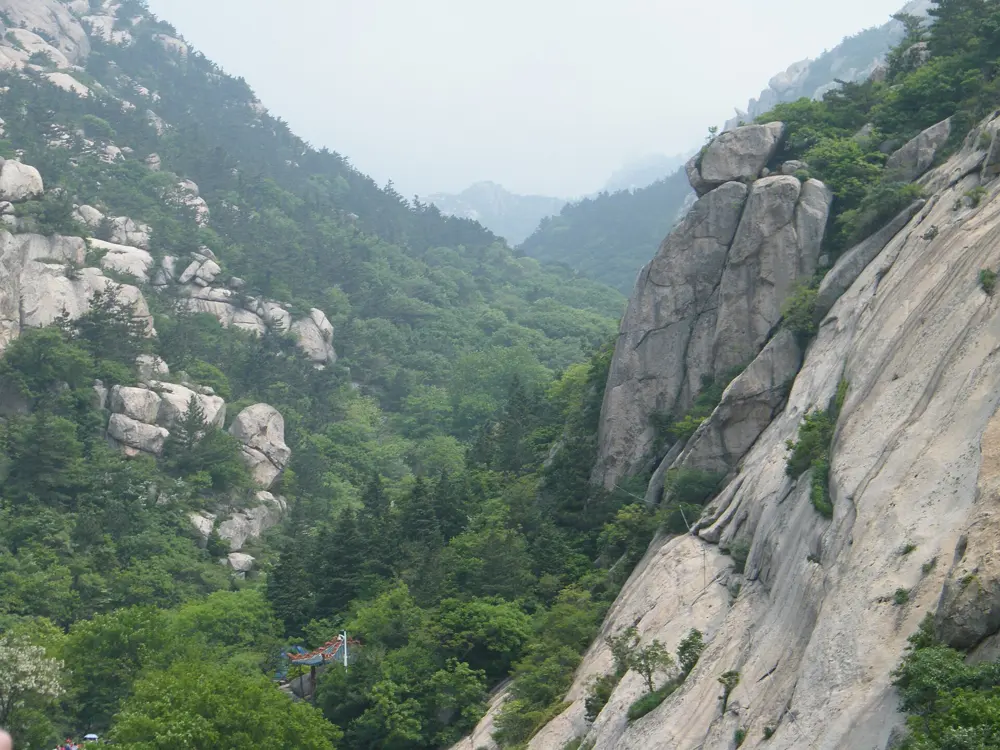
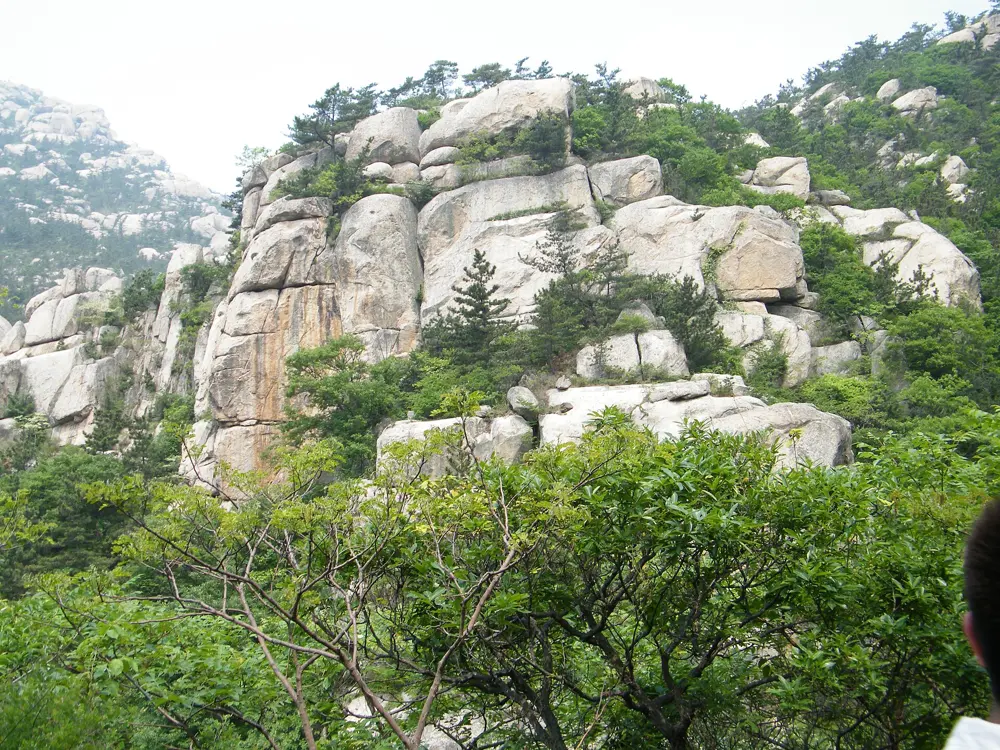
Granite slopes and towers of Laoshan rising above forest in the mist

Photos: Your friend (CC BY-SA 3.0), Your friend (CC BY-SA 3.0), Your friend (CC BY-SA 3.0), Your friend (CC BY-SA 3.0)

Rock
Granite
Routes
About 150
Season
March to November
Summit
1,132.7 m (Jufeng)

Why go

Laoshan is the granite mountain on the sea. Its highest peak, Jufeng, reaches 1,132.7 m, which makes it the highest coastal mountain in China, and it rises about 30 km north east of downtown Qingdao, above the coast of the Shandong Peninsula. It is one of the cradles of Taoism, with temples tucked into its valleys. Its climbing site has grown popular with local climbers, and ChinaTravel counts about 150 routes over an area of more than 40 square kilometres. For anyone in east China it is the granite alternative to the limestone of the south.

The route

The climbing is centred on Liuqinghe, on the southern side of the mountain, and Monkey Crag is the crag local climbers name first. The rock is granite shaped by ice in the last glacial periods, with domes, slabs and cracked buttresses above the forest. Little route detail has been published in English, so plan on climbing with locals. In winter the mountain also has ice climbing.

When to go

The official season for climbing outside is March to November. In winter, try the ice climbing instead.

Getting there

From Qingdao, take bus 104, 113, 304 or 802 to Liuqinghe, or bus 110, 112, 311 or 365 from Beijiushui to Wolong village.

Permits and booking

We found no source describing a climbing permit. The mountain lies within Qingdao Laoshan National Park, which covers 446 square kilometres, so follow the park's rules on paths and closures.

How hard it is

There is no English guidebook and little published route detail. A local climber known as Bamboo, who speaks a little English, runs the QingdaoClimbing account on WeChat, and he and a group of local climbers head to the rock most weekends; joining them is the easiest way in.

Where to sleep

Laoshan is about 30 km from downtown Qingdao, so most visitors stay in the city and travel out by bus for the day.

Tips

  • Contact the QingdaoClimbing group on WeChat before you go to find out which crags are in use.
  • Pair a climbing day with a visit to the Taiqing Palace, the largest temple on the mountain, near the coast below Pantao Peak.

Sources

Distances, heights, seasons and permit rules were checked against these pages. Rules change, so check the park or trail authority before you go.